Tick Control on Long Island.
Finding ticks on your family, pets, or property? Pestify provides professional tick inspections, targeted yard treatments, and seasonal control programs for homes and businesses throughout Nassau and Suffolk Counties.
Need help today?
WHY TICKS BECOME A PROBLEM ON LONG ISLAND.
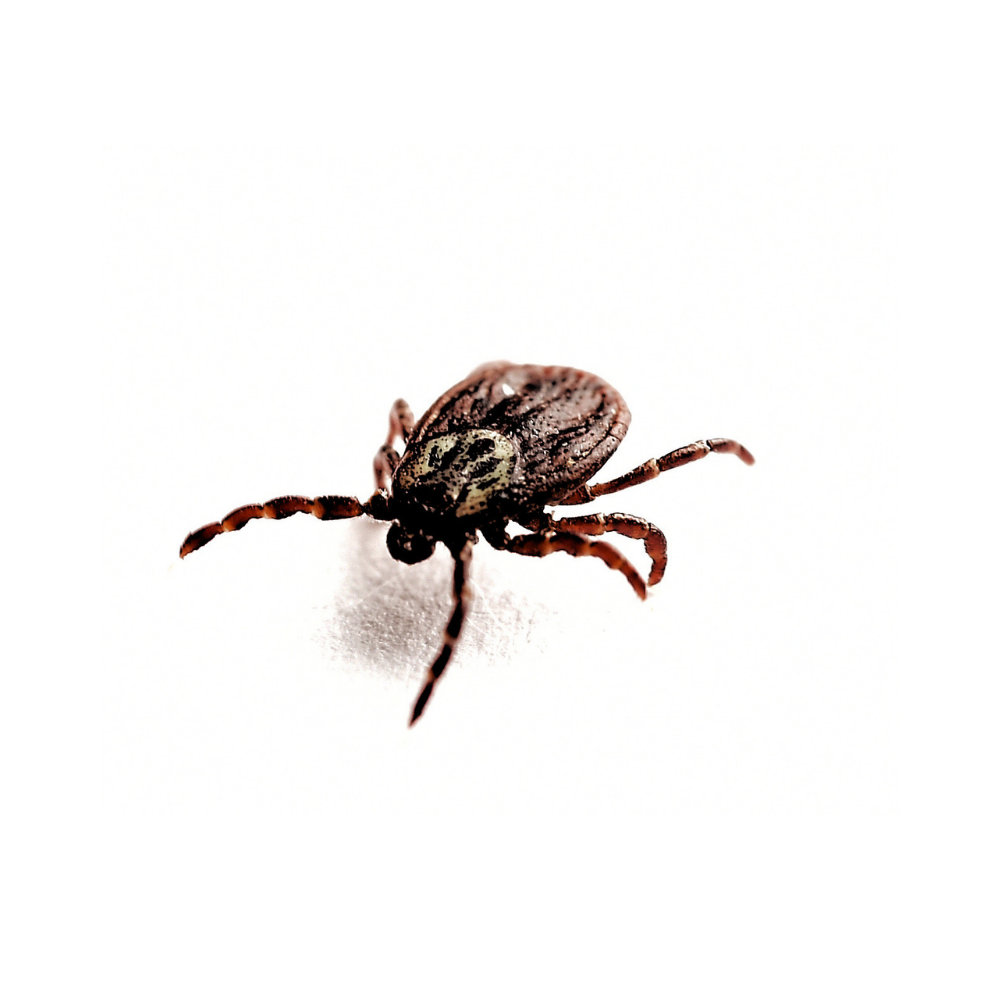
Long Island’s wooded areas, dense landscaping, leaf litter, tall grass, stone walls, and abundant wildlife create favorable conditions for ticks. These pests often remain close to the ground in shaded, humid areas where they wait for people, pets, or wildlife to pass by.
Ticks can be active during much of the year, particularly during mild weather. Pestify targets the areas where ticks are most likely to live and travel, including wooded borders, shaded landscaping, fence lines, brush, leaf litter, and transitions between maintained lawns and natural areas.
OUR TICK CONTROL PROCESS.
Property inspection.
We inspect the property for shaded vegetation, tall grass, leaf litter, brush, wooded borders, stone walls, wildlife activity, and other conditions that may support ticks.
Targeted treatment.
Our technicians treat landscaping, fence lines, yard edges, areas beneath shrubs, brush, leaf litter, and other tick-prone locations. Products are professionally selected and applied according to label directions.
SEASONAL PROTECTION.
Regularly scheduled treatments help manage new tick activity throughout the season. We adjust the treatment plan based on the property layout, surrounding habitat, weather conditions, and level of activity
TICK FACTS.
Most common local concern:
Blacklegged tick, also called the deer tick (Ixodes scapularis)
Active season:
Ticks may be active during mild weather throughout the year, with activity generally increasing from spring through fall
Size:
Size varies by species and life stage; some nymphs are extremely small and difficult to notice
Classification:
Ticks are arachnids and are more closely related to spiders and mites than insects
Risks:
Certain tick species may carry pathogens associated with Lyme disease, babesiosis, anaplasmosis, ehrlichiosis, Rocky Mountain spotted fever, Powassan virus disease, and other health concerns. Lone star tick bites are also associated with alpha-gal syndrome
Where they live:
Shaded, humid areas near tall grass, brush, shrubs, leaf litter, wooded borders, stone walls, and wildlife travel routes
How Pestify helps: We inspect tick-prone areas, apply targeted treatments, recommend habitat improvements, and provide regularly scheduled seasonal service
TICK SPECIES FOUND IN NASSAU AND SUFFOLK COUNTIES.
Several tick species affect people, pets, wildlife, and properties across Long Island. Their appearance, habitat, behavior, and potential health significance differ, making proper identification important.
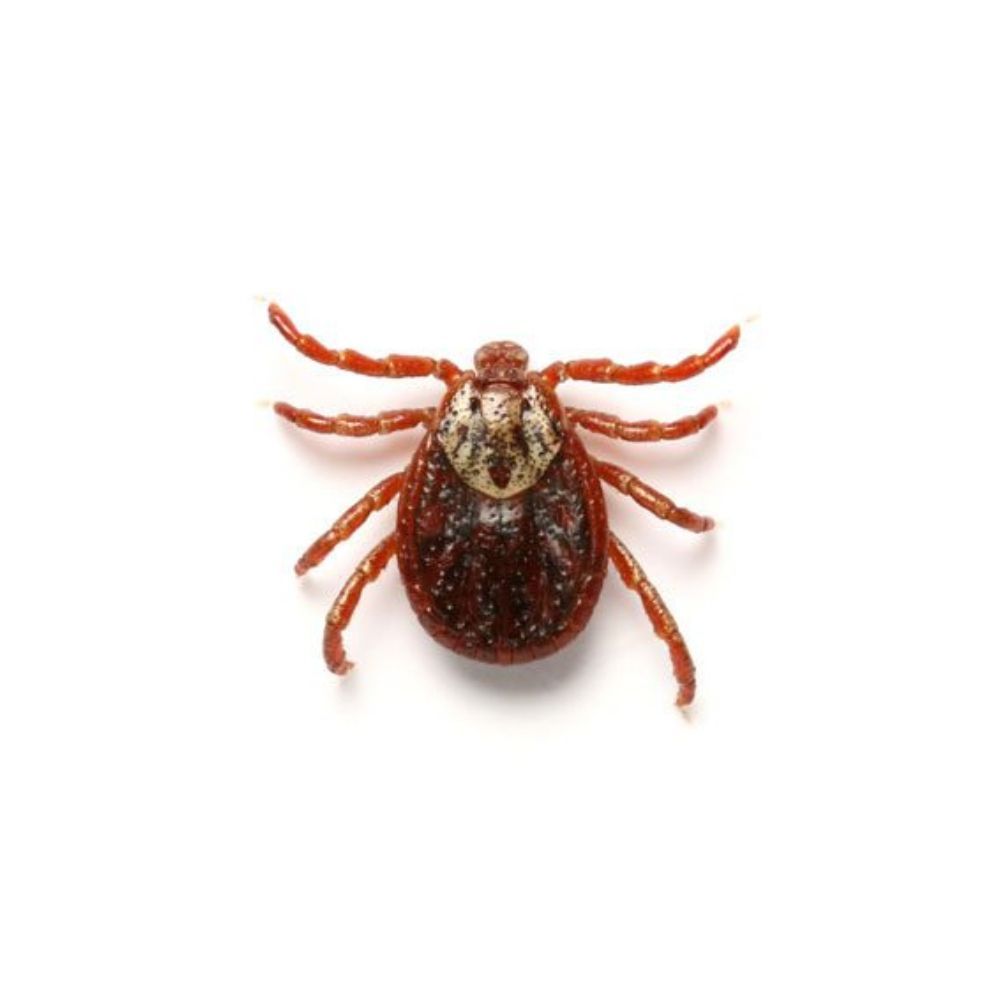
BLACKLEGGED TICK
Ixodes scapularis
Also known as the deer tick, this small tick commonly lives in wooded, brushy, and shaded areas with leaf litter. Blacklegged ticks may carry pathogens associated with Lyme disease, anaplasmosis, babesiosis, hard tick relapsing fever, and Powassan virus disease.
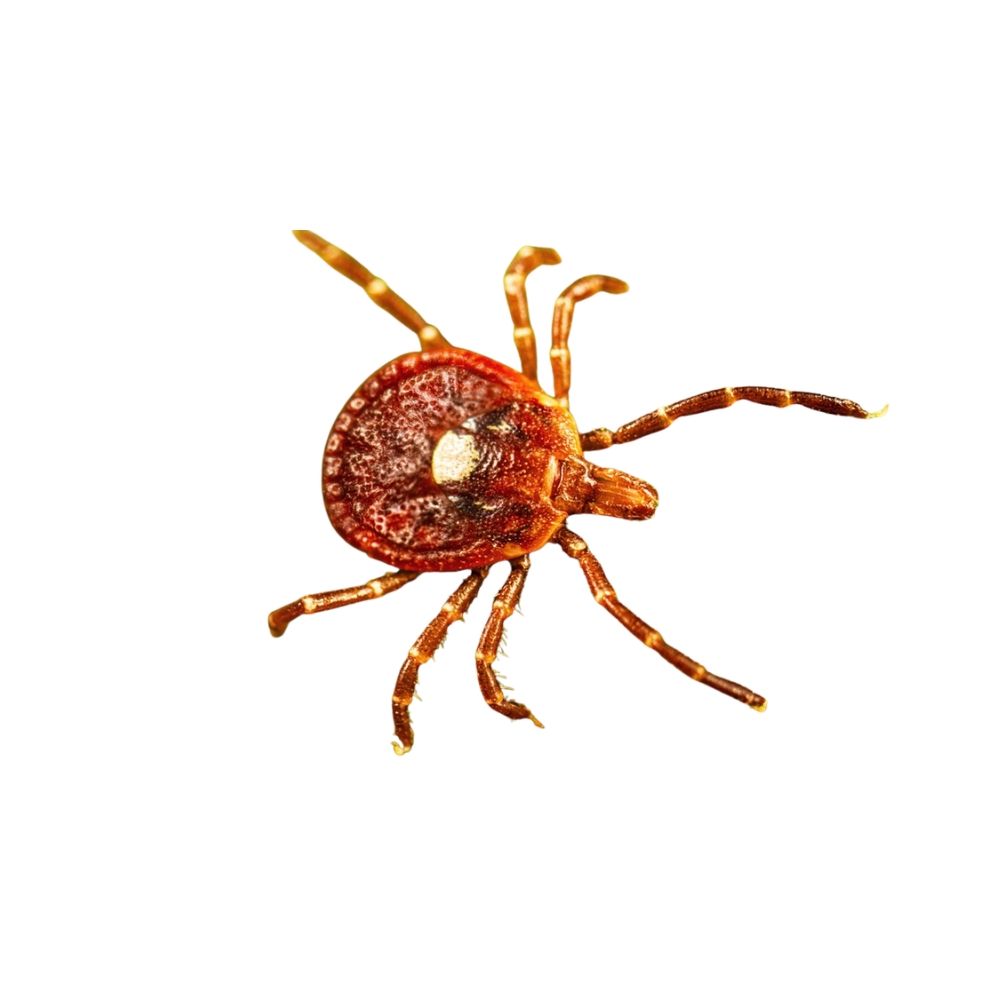
LONE STAR TICK
Amblyomma americanum
An aggressive tick commonly found in wooded, brushy, and overgrown areas. Adult females have a distinctive white spot on their backs. Lone star tick bites are associated with ehrlichiosis and alpha-gal syndrome.
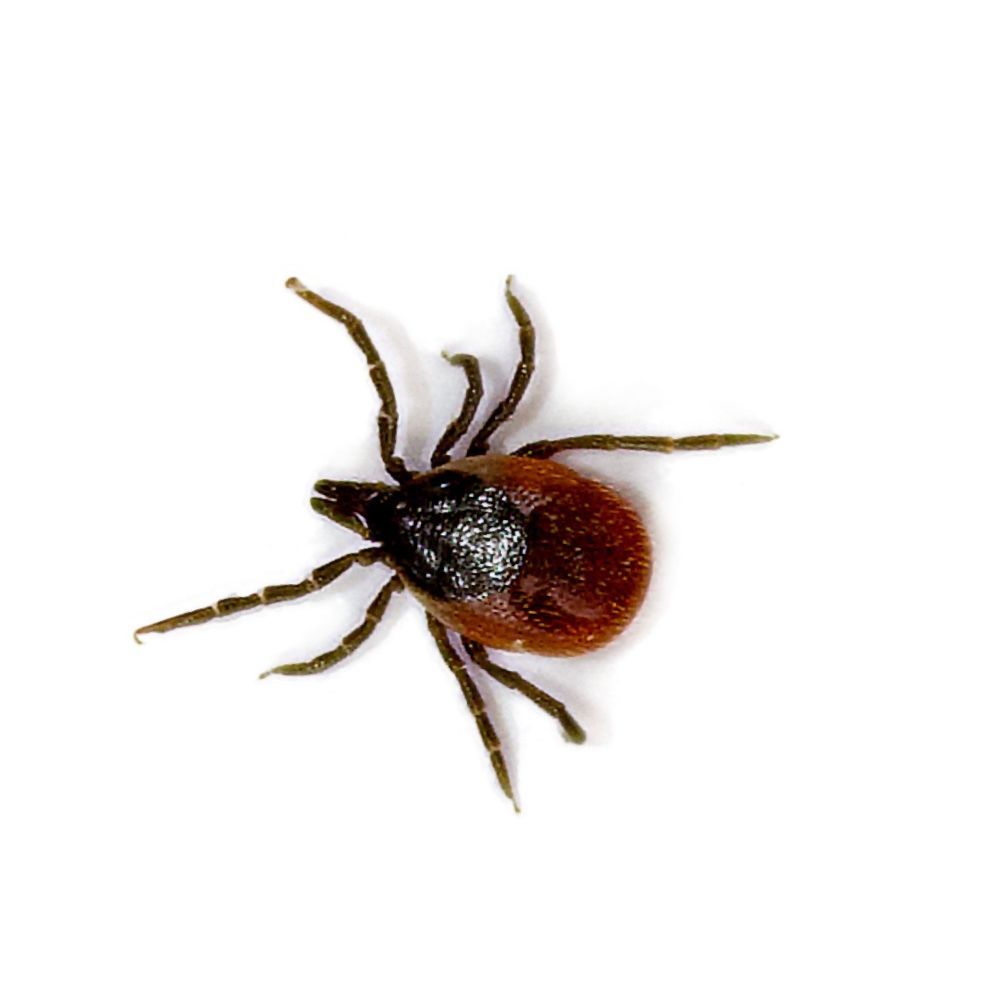
AMERICAN DOG TICK
Dermacentor variabilis
A larger tick commonly found along grassy trails, field edges, yards, and areas with taller vegetation. American dog ticks may carry pathogens associated with Rocky Mountain spotted fever and tularemia.
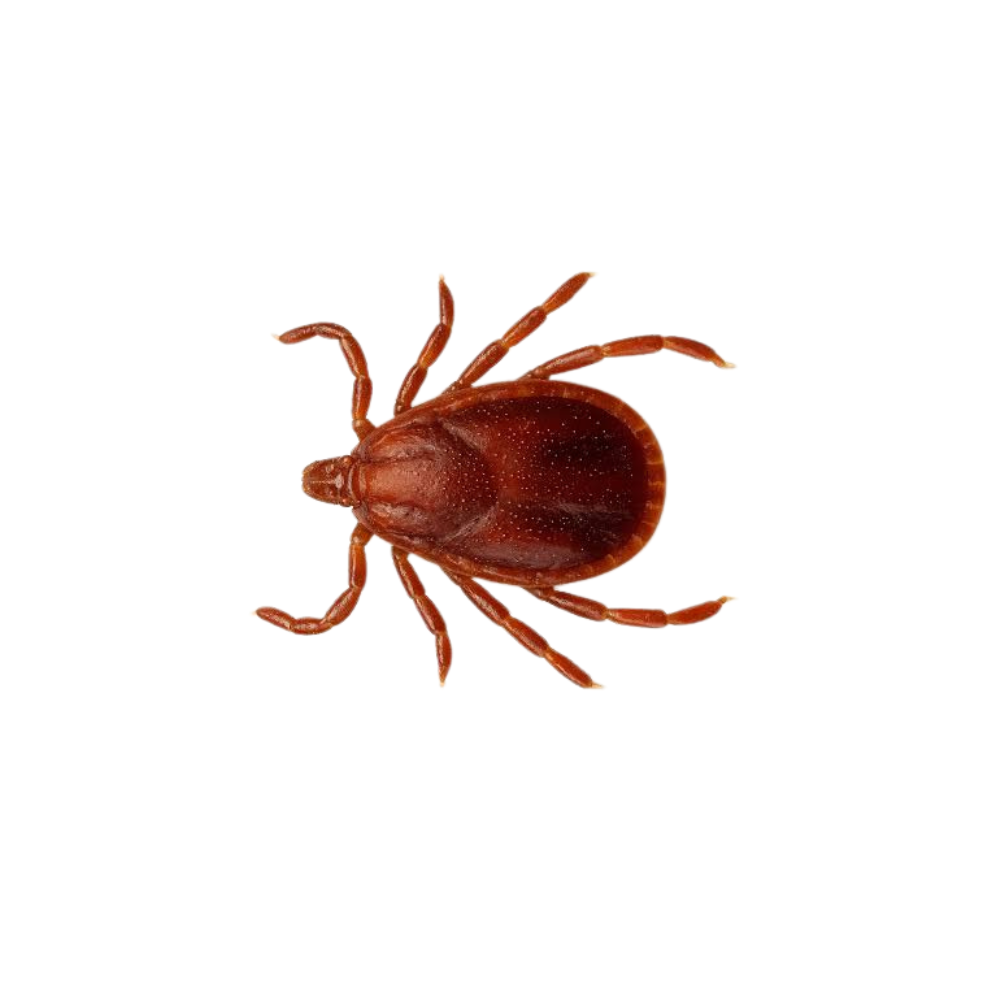
ASIAN LONGHORNED TICK
Haemaphysalis longicornis
An invasive tick that has been found on Long Island. It may occur in large numbers around grass, livestock, wildlife, pets, and landscaped properties. Its role in transmitting disease to people in the United States remains under study, but it is an ongoing concern for livestock, wildlife, and local tick-surveillance programs.
5 THINGS TO KNOW ABOUT TICKS.
TICKS DO NOT JUMP OR FLY
Ticks wait on grass, brush, shrubs, and other vegetation until a person or animal passes close enough for them to climb aboard.
YARD TREATMENT DOES NOT REPLACE PERSONAL PROTECTION
Professional treatment can reduce tick activity in treated areas, but it cannot guarantee that no ticks will enter the property. Tick checks, repellents, protective clothing, and veterinarian-recommended pet prevention remain important
SOME TICKS ARE EXTREMELY SMALL
Nymphal ticks can be difficult to notice during a tick check. Their small size is one reason bites may go undetected.
TICKS CAN BE ACTIVE OUTSIDE OF SUMMER
Some species may remain active during fall, winter, and early spring whenever weather conditions are mild enough.
WILDLIFE CAN INTRODUCE TICKS
Deer, rodents, birds, raccoons, stray animals, and other wildlife can carry ticks through residential and commercial properties.
SIGNS YOU MAY HAVE A TICK PROBLEM.
TICKS FOUND ON PEOPLE OR PETS
You regularly find ticks crawling on or attached to family members, guests, employees, or pets after they spend time on the property.
ACTIVITY NEAR YARD EDGES
Ticks are found around wooded borders, fence lines, stone walls, brush, leaf litter, or transitions between maintained lawns and natural areas.
DENSE OR OVERGROWN LANDSCAPING
Tall grass, thick shrubs, heavy ground cover, leaf buildup, and overgrown vegetation create shaded and humid conditions where ticks may survive.
FREQUENT WILDLIFE ACTIVITY
Deer, rodents, raccoons, stray animals, and other wildlife regularly travel through or rest around the property.
TICK PREVENTION TIPS.
Prevention cannot eliminate every tick, but these steps can reduce favorable habitat and support professional treatment.
REMOVE LEAF LITTER
Rake and remove accumulated leaves, especially around yard edges, shrubs, fences, stone walls, and wooded borders.
MOW AND TRIM REGULARLY
Keep grass cut and trim tall vegetation, brush, shrubs, and overgrown landscaping.
CREATE A YARD BARRIER
Consider placing a three-foot-wide border of gravel or wood chips between maintained lawns and wooded or brushy areas.
MOVE PLAY AND SEATING AREAS
Keep playground equipment, patios, seating areas, and other frequently used outdoor spaces away from wooded edges and dense vegetation when possible.
CHECK PEOPLE AND PETS
Perform full-body tick checks after spending time outdoors. Check pets regularly and speak with a veterinarian about an appropriate tick-prevention product.

People like us. Pests don’t.
The Pestify Guarantee:
If covered pests come back, we come back.
We're so sure you'll love our service, we guarantee it. If a covered pest shows up between scheduled visits, just give us a call. We'll come back until the pests don't.
frequently asked questions about tick control.
WHAT TICKS ARE COMMONLY FOUND ON LONG ISLAND?
The primary human-biting species are the blacklegged tick, lone star tick, and American dog tick. The invasive Asian longhorned tick has also been found on Long Island and is monitored by local and state agencies.
WHEN ARE TICKS MOST ACTIVE?
Tick activity generally increases during spring, summer, and fall. However, some species may remain active during mild winter weather.
WHERE DO TICKS LIVE IN A YARD?
Ticks commonly live in shaded and humid areas near leaf litter, tall grass, shrubs, brush, stone walls, wooded borders, and wildlife travel routes.
DOES TICK TREATMENT COVER THE ENTIRE LAWN?
Treatment is focused on areas where ticks are most likely to live and travel. These often include yard edges, landscaping, brush, fence lines, shaded vegetation, and transitions between lawns and wooded areas.
HOW OFTEN SHOULD A PROPERTY BE TREATED?
The recommended frequency depends on the property layout, vegetation, surrounding habitat, weather, tick pressure, and treatment program. Regularly scheduled seasonal treatments generally provide more consistent control than a single application.
WILL ONE TREATMENT ELIMINATE EVERY TICK?
No treatment can guarantee that every tick will be eliminated or that new ticks will not enter. Wildlife, pets, people, and surrounding vegetation may introduce additional ticks after service.
DO YOU TREAT FOR MOSQUITOES AND TICKS TOGETHER?
Yes. Pestify offers seasonal mosquito and tick-control programs for residential and commercial properties throughout Nassau and Suffolk Counties.
WHAT SHOULD I DO AFTER FINDING AN ATTACHED TICK?
Remove it promptly with fine-tipped tweezers by grasping it close to the skin and pulling upward steadily. Avoid burning the tick or covering it with petroleum jelly or other substances. Contact a healthcare provider with questions about symptoms, testing, or treatment after a tick bite.
Let’s talk about your pest problems.
Send us a message below, or just give us a call at (631) 681-5581.