
MOSQUITO Control on Long Island.
Serving homeowners and businesses throughout Nassau and Suffolk Counties.
Need help today?
Why MOSQUITOES are a serious Long Island problem.
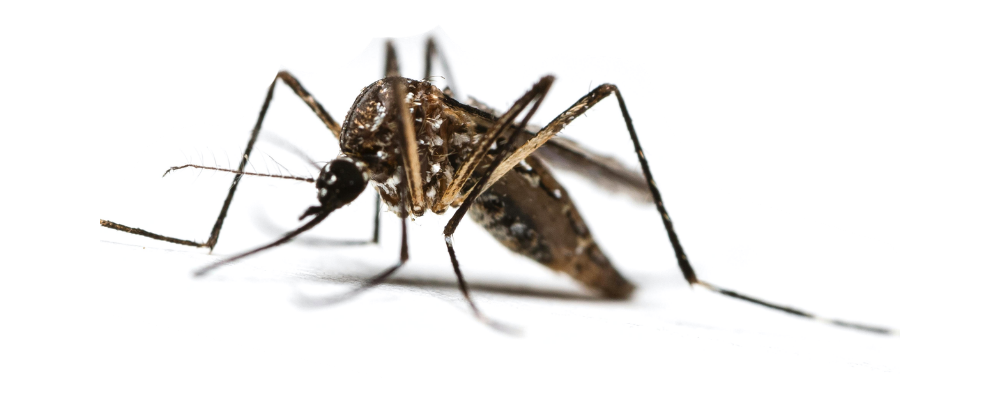
Long Island’s warm, humid summers create ideal conditions for mosquitoes to breed and spread. Standing water in gutters, planters, toys, birdbaths, and low areas of the yard can quickly become a breeding site, even when only a small amount of water is present.
Mosquitoes do more than ruin time outdoors. They can multiply quickly, and certain species can transmit illnesses such as West Nile virus and Eastern equine encephalitis. Pestify targets the shaded areas where mosquitoes rest and the conditions that allow them to reproduce, helping reduce mosquito activity around your home and yard.
our mosquito control process.
Property inspection.
We inspect your property for standing water, shaded resting areas, dense vegetation, and other conditions that may be contributing to mosquito activity.
Targeted treatment.
Our technicians treat shrubs, landscaping, fence lines, areas beneath decks, and other places where mosquitoes commonly rest during the day.
ongoing protection.
Regularly scheduled treatments throughout mosquito season help manage new activity and provide more consistent protection for your property.
MOSQUITO FACTS.
Common on Long Island homes:
Northern house mosquito (Culex pipiens)
Active season:
Late spring through early fall, with activity increasing during warm, humid weather
Size:
Small and slender; exact size varies by species
Color:
Typically brown, gray, or black; some species have distinctive white markings
Risks:
Itchy bites; certain species can transmit West Nile virus and Eastern equine encephalitis
Where they breed and rest:
Standing water, gutters, containers, dense vegetation, marshes, and other shaded areas
How Pestify helps: We inspect your property for breeding and resting areas, recommend ways to reduce standing water, and apply targeted seasonal treatments
MOSQUITO SPECIES COMMONLY FOUND IN NASSAU AND SUFFOLK COUNTIES.
Dozens of mosquito species can be found across Long Island. The species around your property may vary based on standing water, vegetation, coastal marshes, rainfall, and surrounding conditions. Identifying likely breeding and resting areas helps Pestify determine the right treatment strategy for your property.
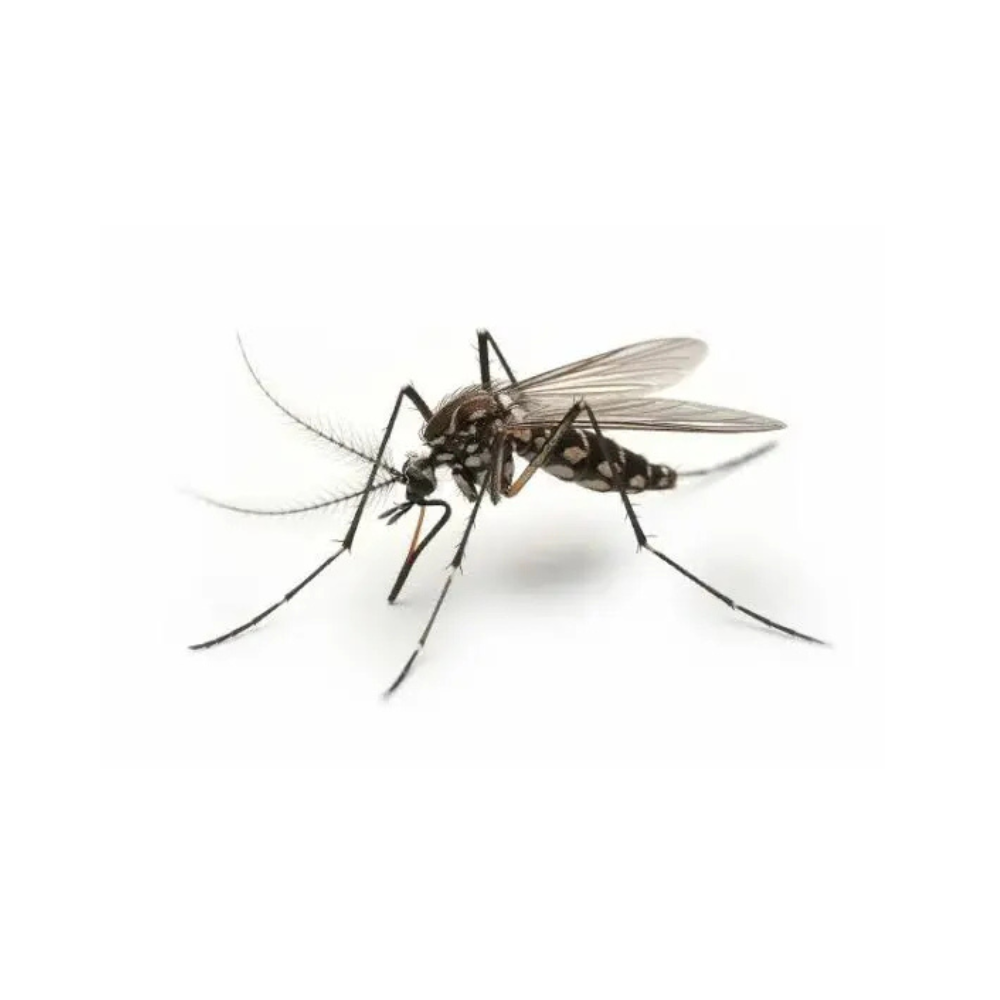
ASIAN TIGER MOSQUITO
aedes albopictus
An aggressive daytime biter recognized by its black body and distinctive white markings. It commonly breeds in buckets, planters, toys, gutters, and other small containers that collect water.
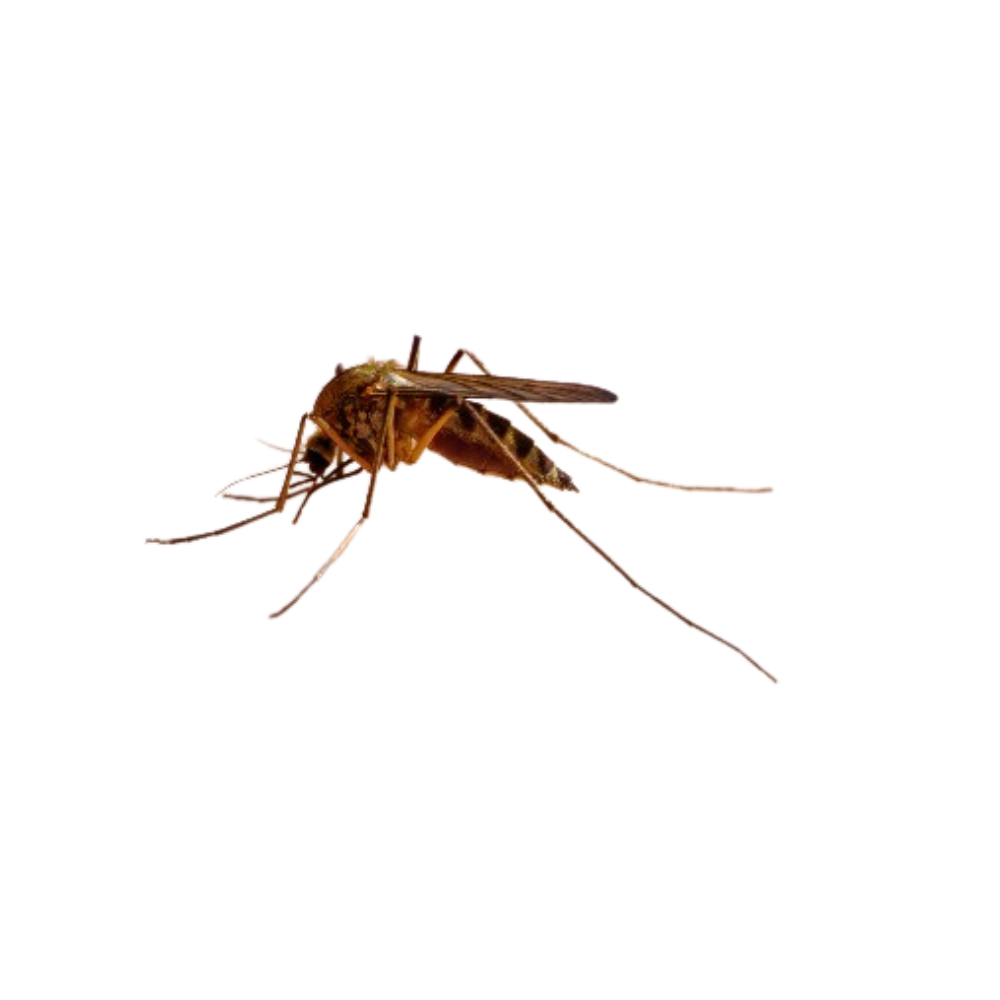
northern house MOSQUITO
Culex pipiens
Common around homes and neighborhoods. It breeds in stagnant water containing organic material and is generally most active from dusk through dawn.
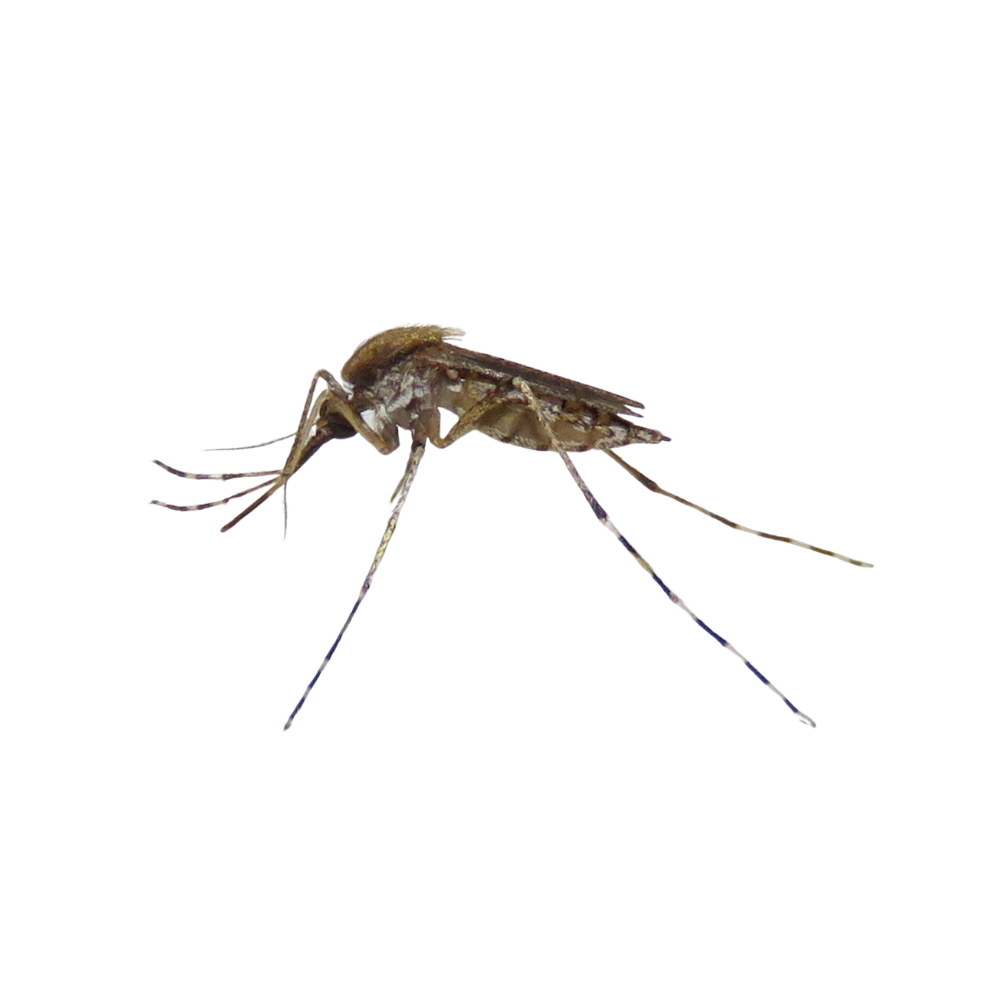
EASTERN SALTMARSH MOSQUITO
Aedes sollicitans
Common near Long Island’s coastal marshes. This aggressive mosquito may travel several miles from its breeding area and frequently bites during daylight hours.
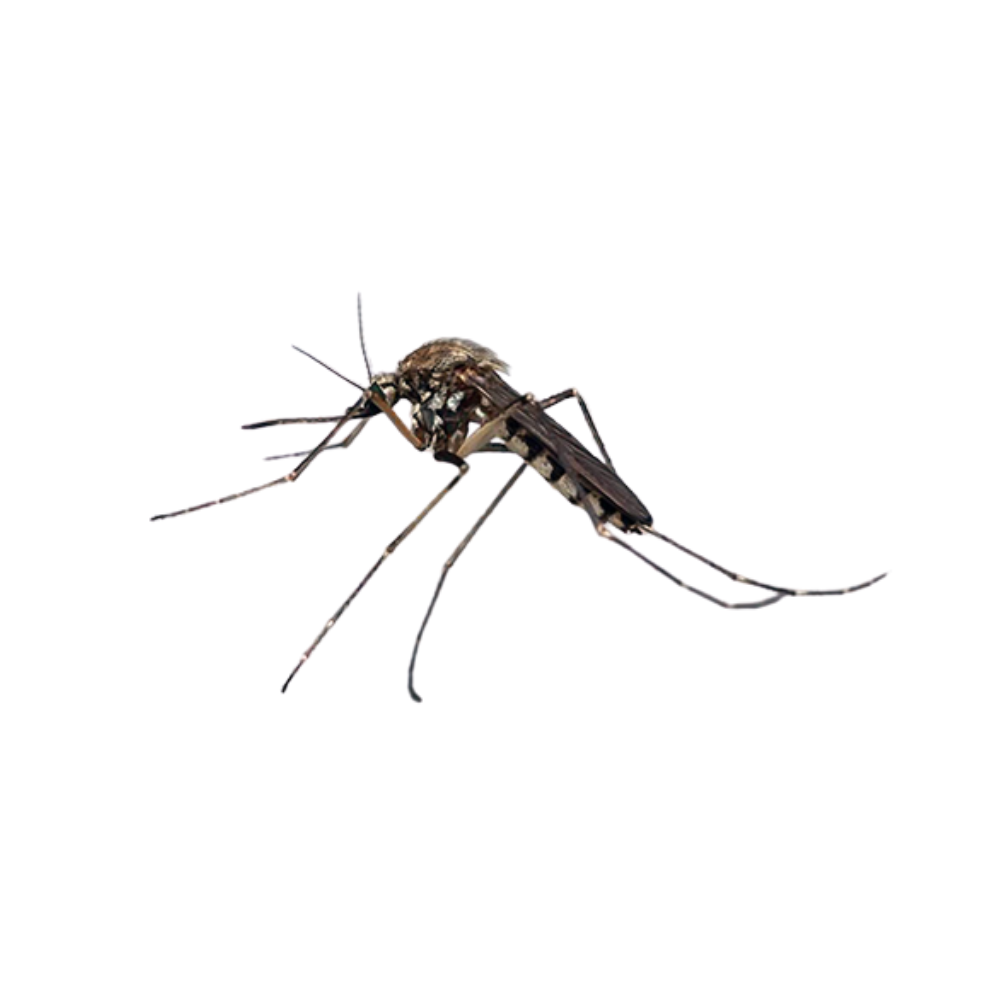
INLAND FLOODWATER MOSQUITO
Aedes vexans
Often becomes active after heavy rainfall or temporary flooding. Large numbers can emerge from low-lying areas and become a major biting nuisance around homes and yards.
5 things to know about MOSQUITOES.
MOSQUITOES NEED WATER TO BREED
Buckets, toys, planters, gutters, birdbaths, and other containers can quickly become breeding sites.
THEY DO NOT ALL BITE AT THE SAME TIME
Some mosquito species are active during the day, while others bite most often around dusk, overnight, and at dawn.
WARM, WET WEATHER INCREASES ACTIVITY
Mosquito activity commonly increases during Long Island’s warm, humid weather and after periods of rainfall.
THEY CAN COME FROM SURROUNDING AREAS
Even after removing standing water, mosquitoes may still enter your yard from neighboring properties, wooded areas, and nearby wetlands.
CONSISTENCY MAKES A DIFFERENCE
Regularly scheduled treatments provide more consistent protection throughout mosquito season.
Signs you have a MOSQUITO problem.
FREQUENT BITES IN YOUR YARD
You or your guests are regularly being bitten while using the patio, pool, deck, or other outdoor areas.
MOSQUITOES ACTIVE DURING THE DAY
Daytime biting may indicate activity from aggressive species such as the Asian tiger mosquito.
STANDING WATER AROUND YOUR PROPERTY
Water collecting in gutters, buckets, planters, toys, tarps, birdbaths, or low areas can support mosquito breeding.
ACTIVITY NEAR LANDSCAPING
You notice mosquitoes around shrubs, tall grass, fence lines, beneath decks, or other shaded and protected areas.
MOSQUITO prevention tips.
Prevention alone may not eliminate mosquito activity, but these simple steps can help make professional treatment more effective.
EMPTY STANDING WATER
Empty and scrub buckets, toys, planters, birdbaths, and other water-holding containers every week.
CLEAN GUTTERS AND DRAINS
Remove leaves and debris that can prevent water from draining properly.
MAINTAIN POOLS AND WATER FEATURES
Keep swimming pools treated and circulating, and regularly refresh birdbaths and fountains.
TRIM DENSE VEGETATION
Maintain shrubs, tall grass, and overgrown landscaping where mosquitoes may rest.
USE SCREENS AND REPELLENT
Repair damaged window and door screens. When spending time outdoors, use an EPA-registered mosquito repellent according to the label directions.

People like us. Pests don’t.
The Pestify Guarantee:
If covered pests come back, we come back.
We're so sure you'll love our service, we guarantee it. If a covered pest shows up between scheduled visits, just give us a call. We'll come back until the pests don't.
Let’s talk about your pest problems.
Send us a message below, or just give us a call at (631) 681-5581.