Cockroach Control
on Long Island.
Serving homeowners, businesses, restaurants, property managers, hotels, and multifamily communities throughout Nassau and Suffolk Counties.
Need help today?
Why Cockroaches become a problem on Long Island problem.
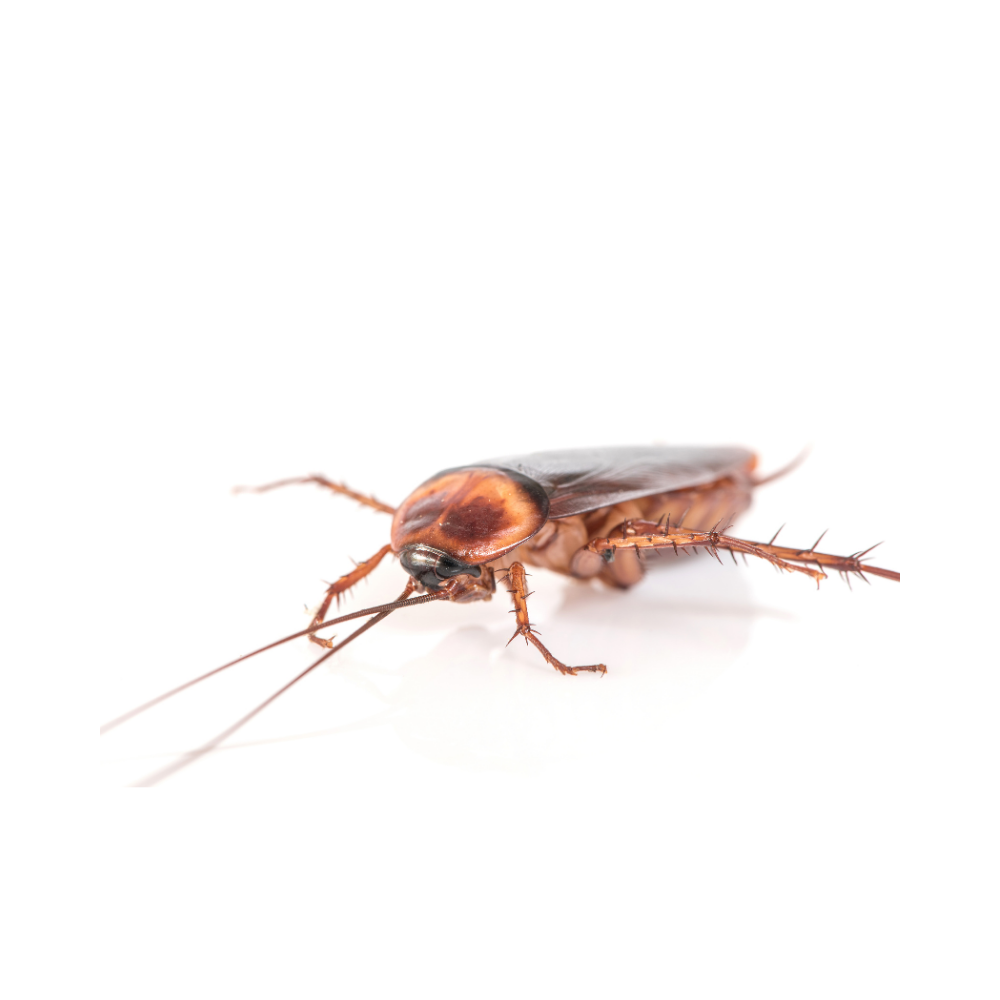
Cockroaches can enter homes and businesses through cracks, plumbing openings, drains, deliveries, cardboard boxes, used appliances, and other transported items. Once inside, they seek food, moisture, warmth, and protected hiding areas in kitchens, bathrooms, basements, utility rooms, and other difficult-to-reach spaces.
Cockroach infestations can be difficult to control because these pests hide deep inside cracks, cabinets, appliances, wall voids, and plumbing areas. Different species also have different habits and preferred environments. Pestify identifies the likely species, evaluates the extent of the activity, and targets the food, moisture, entry points, and hiding areas contributing to the infestation—not just the cockroaches you can see.
our cockroach control process.
Property inspection.
We inspect kitchens, bathrooms, basements, utility areas, cabinets, appliances, plumbing penetrations, and other potential hiding areas for live cockroaches, droppings, egg cases, shed skins, moisture conditions, and entry points. Identifying the likely species helps us determine the right treatment strategy.
Targeted treatment.
We use professionally selected baits, insect growth regulators, monitoring devices, crack-and-crevice applications, and other targeted treatments based on the species and conditions present. Treatment focuses on active hiding areas and travel routes, with all products applied according to label directions.
follow-up monitoring.
Cockroach control often requires continued monitoring and follow-up. We reassess treated areas, review monitoring devices, evaluate remaining activity, and adjust the treatment plan when necessary. You receive a detailed service report after every visit.
COCKROACH FACTS.
Common indoor species:
German cockroach (Blattella germanica)
Active season:
Cockroaches living indoors may remain active throughout the year
Size:
Approximately 3/8 inch to more than 1½ inches long, depending on the species
Color:
Depending on the species, cockroaches may be light brown, reddish-brown, dark brown, or nearly black
Risks:
Cockroaches can contaminate food and food-contact areas. Their droppings, shed skins, and body materials may also trigger allergies or worsen asthma symptoms in sensitive individuals
Where they hide:
Cabinets, appliances, plumbing areas, wall voids, basements, drains, utility rooms, storage areas, and other dark, protected spaces near food and moisture
How Pestify helps: We identify the likely species, inspect for food and moisture sources, locate hiding areas and entry points, and develop a targeted treatment and monitoring plan based on the conditions present
COCKROACH SPECIES COMMONLY FOUND IN NASSAU AND SUFFOLK COUNTIES.
Several cockroach species may infest homes and businesses across Long Island. Their size, appearance, preferred habitat, food sources, and moisture requirements help determine the right treatment strategy.
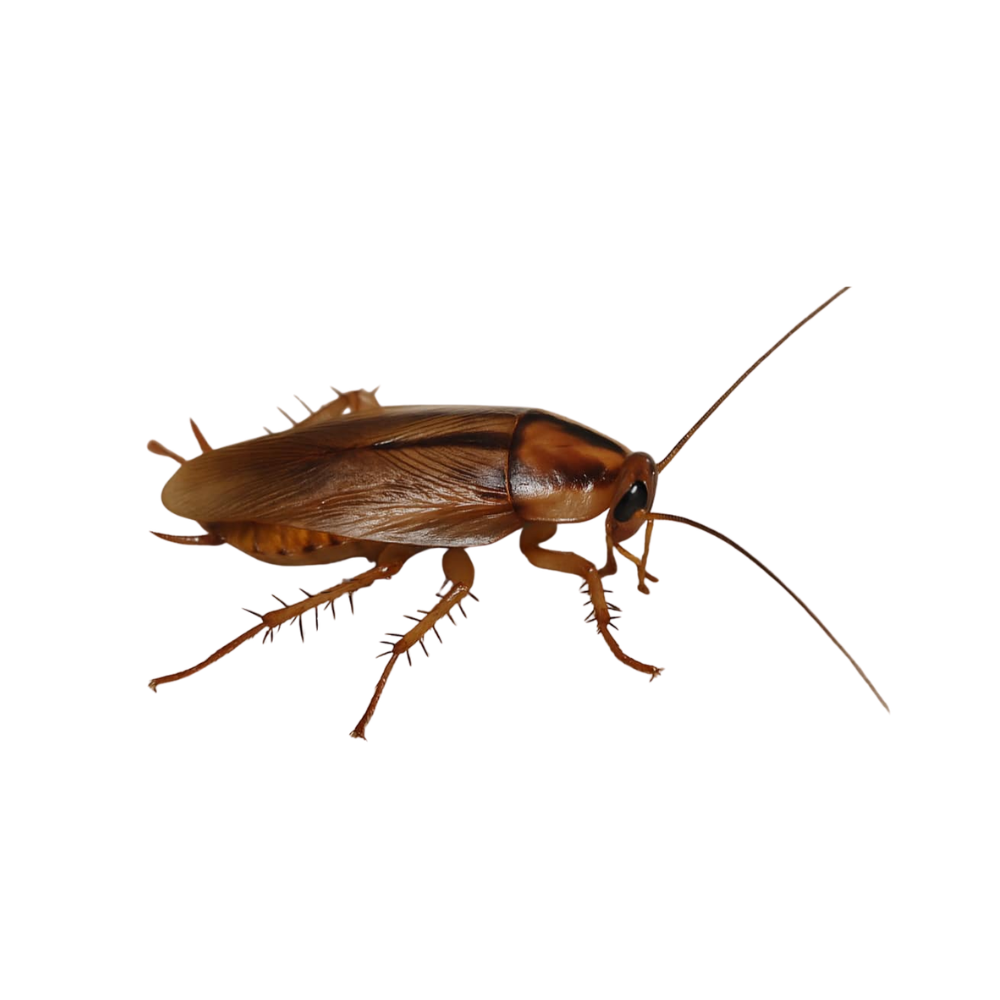
german cockroach
Blattella germanica
A small, light-brown cockroach identified by two dark parallel stripes behind its head. German cockroaches commonly infest kitchens, bathrooms, food-service areas, appliances, cabinets, and other warm locations near food and moisture. They live primarily indoors and can reproduce quickly when conditions are favorable.
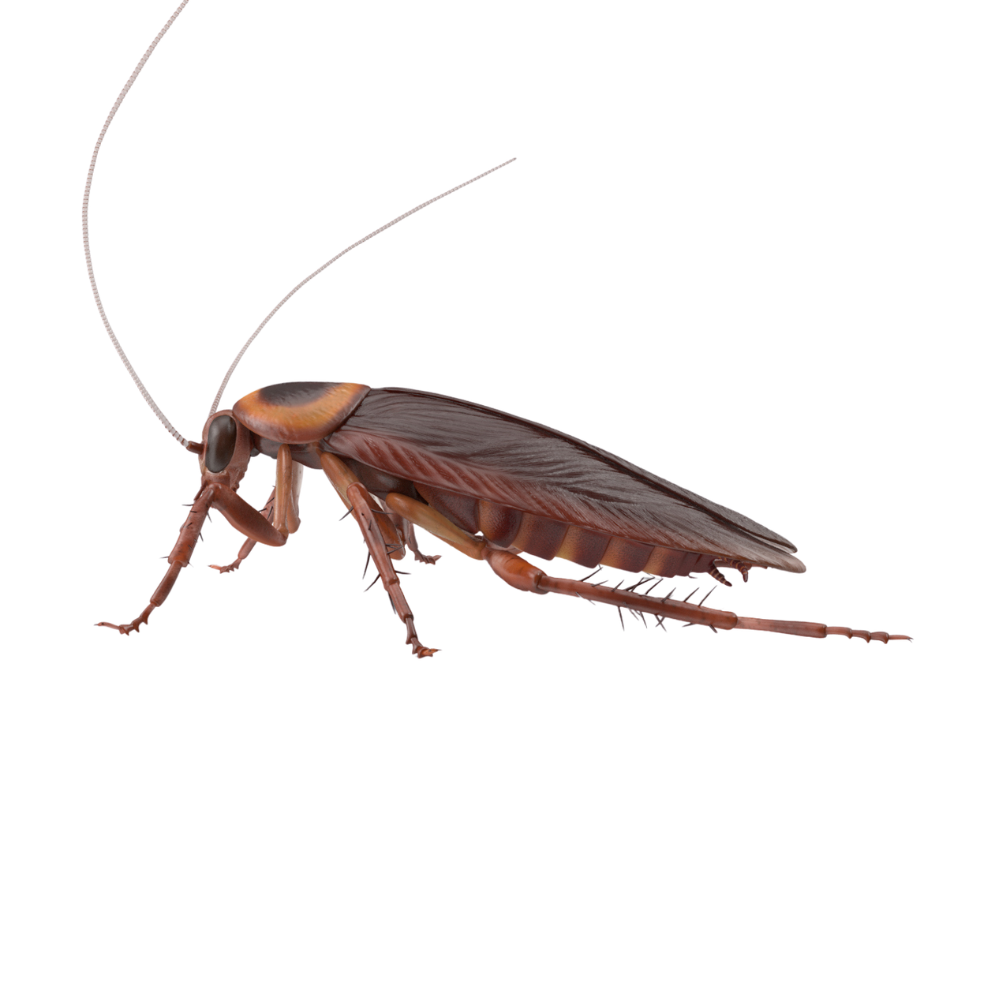
AMERICAN COCKROACH
Periplaneta americana
A large, reddish-brown cockroach with a lighter marking behind its head. American cockroaches are often associated with basements, boiler rooms, utility areas, drains, sewers, and other warm, damp environments.
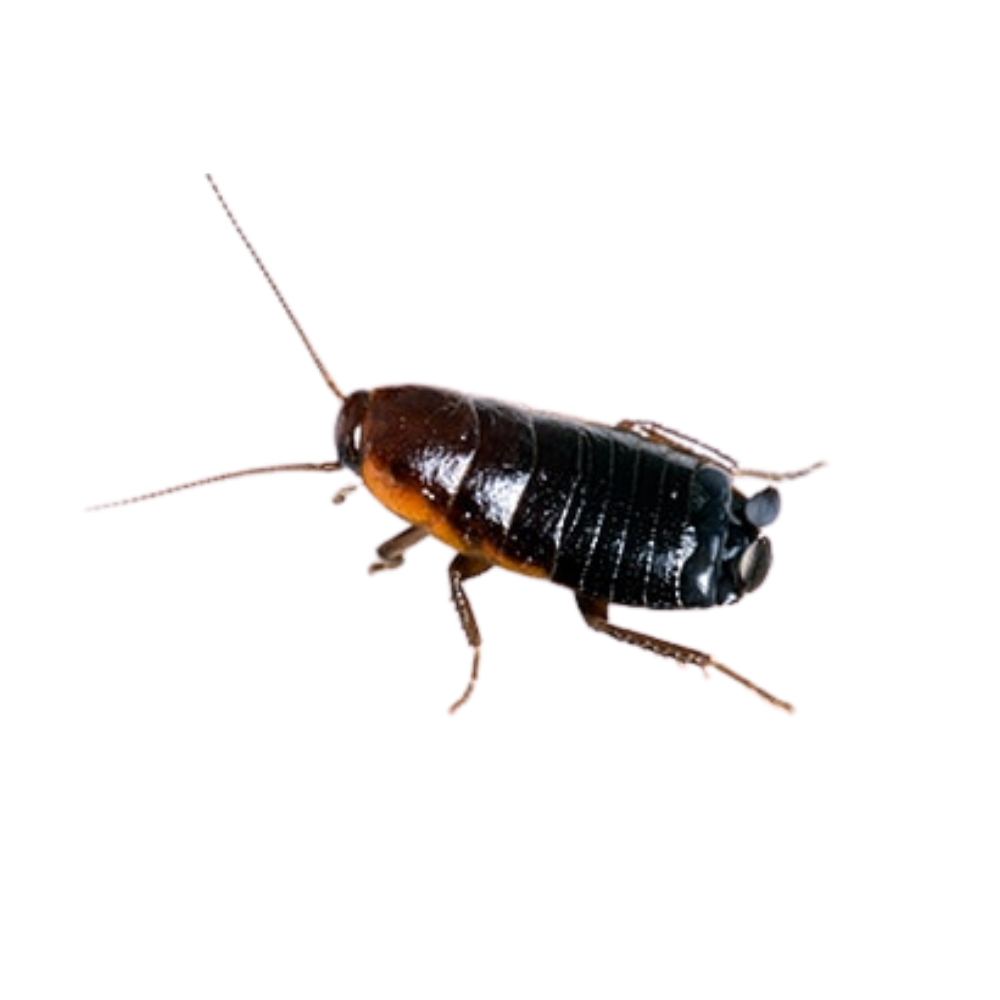
ORIENTAL COCKROACH
Blatta orientalis
A dark-brown or nearly black cockroach commonly associated with cool, damp areas. Oriental cockroaches may be found around basements, crawl spaces, floor drains, plumbing areas, exterior debris, and other moisture-prone locations.
5 things to know about COCKROACHES.
THE SPECIES CHANGES THE TREATMENT
Different cockroach species prefer different environments. German cockroaches commonly infest warm indoor areas, while American and Oriental cockroaches are often associated with drains, basements, utility areas, and moisture-prone spaces.
THEY SPEND MOST OF THEIR TIME HIDDEN
Cockroaches commonly hide inside cracks, cabinets, appliances, wall voids, plumbing areas, and other protected spaces. The insects you see may represent only part of the infestation.
FOOD AND MOISTURE SUPPORT ACTIVITY
Crumbs, grease, spills, pet food, garbage, leaking pipes, condensation, and standing water can provide cockroaches with the resources they need to survive.
THEIR MATERIALS MAY AFFECT INDOOR AIR QUALITY
Cockroach droppings, shed skins, saliva, and body fragments may trigger allergic reactions or worsen asthma symptoms in sensitive individuals.
TREATING VISIBLE COCKROACHES MAY NOT SOLVE THE PROBLEM
Killing only the cockroaches you see may provide temporary relief without addressing hidden insects, egg cases, food sources, moisture conditions, and protected hiding areas. Successful control often requires inspection, sanitation, targeted treatment, monitoring, and follow-up.
Signs you have a Cockroach problem.
LIVE COCKROACHES
You see cockroaches moving around kitchens, bathrooms, cabinets, appliances, basements, storage areas, or other parts of the property—especially at night.
COCKROACH DROPPINGS
Small dark droppings resembling black pepper, coffee grounds, smears, or larger cylindrical pellets may appear inside cabinets, drawers, corners, and along cockroach travel routes.
EGG CASES OR SHED SKINS
You find small brown or reddish-brown egg cases, empty egg capsules, or shed skins near cabinets, appliances, furniture, storage areas, or structural gaps.
NIGHTTIME ACTIVITY NEAR FOOD OR WATER
Cockroaches appear around sinks, drains, garbage containers, pet bowls, food-storage areas, appliances, or plumbing fixtures after the property becomes quiet and dark.
COCKROACH PREVENTION TIPS.
Prevention alone may not eliminate an established cockroach infestation, but these steps can make your property less attractive and support professional treatment.
REMOVE FOOD SOURCES
Clean crumbs, grease, and spills promptly. Store food in sealed containers, empty garbage regularly, and avoid leaving pet food out overnight.
CORRECT MOISTURE PROBLEMS
Repair leaking pipes, faucets, drains, and appliances. Reduce condensation and eliminate standing water around sinks, bathrooms, basements, and utility areas.
SEAL CRACKS AND OPENINGS
Seal gaps around cabinets, baseboards, walls, plumbing lines, utility penetrations, doors, windows, and other potential entry points.
REDUCE CLUTTER AND CARDBOARD
Remove unnecessary cardboard boxes, paper bags, and clutter that can provide protected hiding areas and make inspection more difficult.
CLEAN BENEATH APPLIANCES
Regularly clean beneath and behind refrigerators, stoves, dishwashers, vending machines, and other equipment where grease, crumbs, moisture, and warmth may collect.

People like us. Pests don’t.
The Pestify Guarantee:
If covered pests come back, we come back.
We're so sure you'll love our service, we guarantee it. If a covered pest shows up between scheduled visits, just give us a call. We'll come back until the pests don't.
Let’s talk about your pest problems.
Send us a message below, or just give us a call at (631) 681-5581.