Rat Control
on Long Island.
Seeing rats, finding large droppings, or noticing burrows around your property? Pestify provides professional rat inspections, targeted control, exclusion recommendations, and ongoing monitoring for homes and businesses throughout Nassau and Suffolk Counties.
Need help today?
Why Rats BECOME A PROBLEM ON Long Island problem.
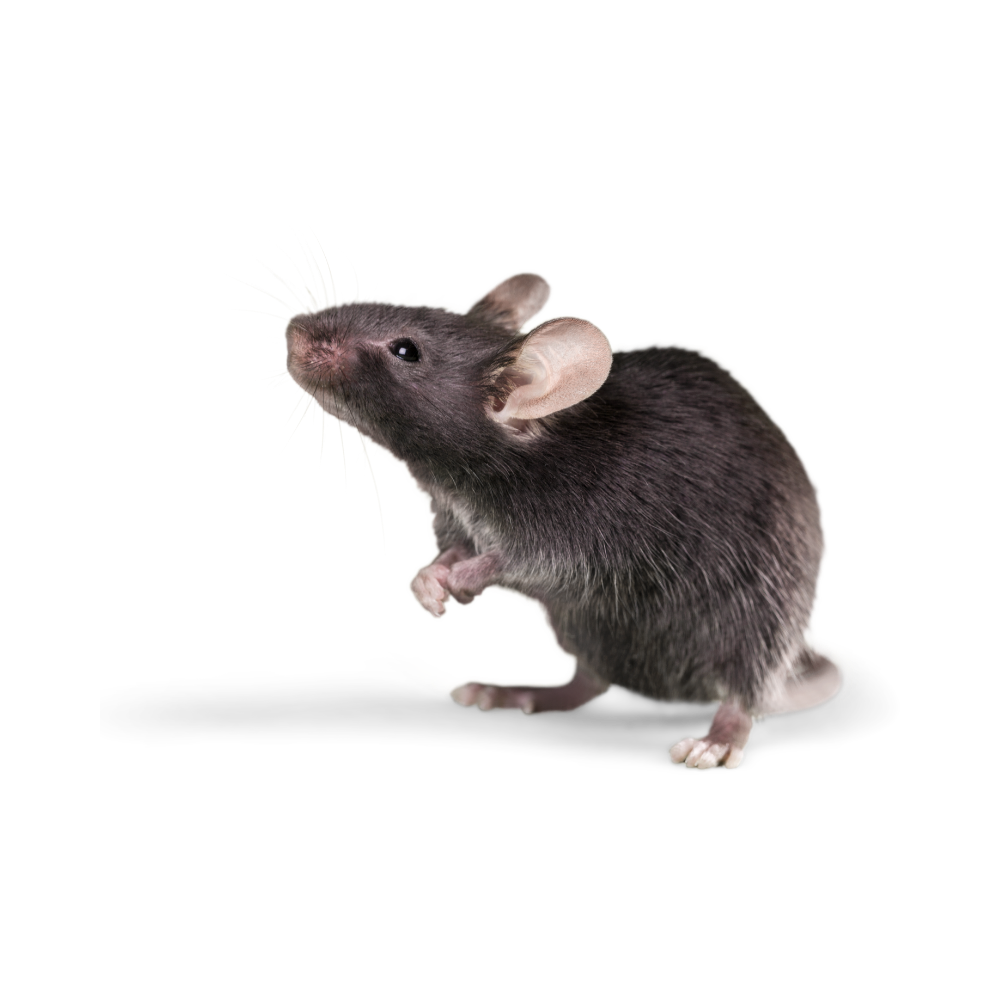
Rats are attracted to properties that provide reliable access to food, water, shelter, and protected nesting areas. Garbage containers, pet food, birdseed, outdoor cooking areas, leaking pipes, standing water, dense vegetation, and structural openings can all contribute to rat activity around homes and businesses.
Rat infestations can be difficult to control because rats often remain hidden inside burrows, basements, crawl spaces, utility areas, wall voids, and other protected locations. Pestify identifies active travel routes, burrows, food and water sources, entry points, and nesting conditions so the treatment plan addresses the entire environment supporting the infestation—not just the rats you happen to see.
OUR RAT CONTROL PROCESS.
Property inspection.
We inspect the interior and exterior of your property for rat droppings, burrows, gnaw marks, rub marks, nesting materials, entry points, food sources, water sources, and active travel routes. We also examine foundations, utility penetrations, basements, crawl spaces, garages, loading areas, dumpsters, storage areas, and other vulnerable locations.
Targeted CONTROL.
We strategically place professional trapping, monitoring, and rodent-control equipment based on the activity and conditions present. Exterior bait stations may be used where appropriate as part of a targeted control plan. All products and equipment are professionally selected and used according to applicable label directions and service protocols.
EXCLUSION AND MONITORING.
We identify structural openings and conditions that may allow rats to enter or remain around the property. We recommend or perform exclusion work where appropriate, monitor active areas, service control equipment, evaluate new evidence, and adjust the treatment plan when necessary. You receive a detailed service report after every visit.
Effective rat management combines inspection, removal of food and water sources, reduction of shelter, exclusion, targeted control, and continued monitoring.
RAT FACTS.
Most common pest rat in New York:
Norway rat (Rattus norvegicus)
Active season:
Rats may remain active throughout the year wherever food, water, and shelter are available
Size:
Adult Norway rats may reach approximately 11 inches in body length and about 16 inches in total length, including the tail
Color:
Usually brown or gray with a lighter-colored underside
Risks:
Rats may contaminate food and surfaces with droppings, urine, saliva, hair, and nesting material. They may also damage food packaging, insulation, stored belongings, wood, plastic, landscaping, and other materials through gnawing and burrowing
Where they live:
Exterior burrows, foundations, basements, crawl spaces, utility rooms, drains, sewers, storage areas, dumpsters, landscaping, wall voids, and other protected locations near food and water
How Pestify helps: We inspect for rat activity and contributing conditions, develop a targeted control plan, recommend sanitation and exclusion improvements, and monitor the property for continued or new activity
COMMON RAT NESTING AND ACTIVITY AREAS.
Norway rats frequently establish burrows outdoors but may also nest inside buildings and structural voids when food, water, and shelter are available. Identifying where rats are feeding, traveling, and nesting helps Pestify develop the right control strategy.
EXTERIOR BURROWS AND FOUNDATIONS
Norway rats commonly burrow beneath foundations, concrete slabs, sheds, decks, landscaping, dense vegetation, woodpiles, and other protected exterior areas. Burrow openings may appear near walls, fences, garbage areas, or reliable food sources.
TREES, STUMPS, AND FIREWOOD
Garbage containers, compactors, loading docks, outdoor dining areas, pet-waste areas, bird feeders, and improperly stored food can support ongoing rat activity. Rats often establish travel routes between these food sources and nearby nesting areas.
WALL VOIDS AND STRUCTURAL GAPS
Rats may enter through gaps around foundations, doors, drains, plumbing lines, utility penetrations, and damaged structural areas. Once inside, they may shelter in basements, crawl spaces, utility rooms, storage areas, wall voids, and other quiet locations.
5 things to know about ratS.
THE NORWAY RAT IS THE PRIMARY PEST RAT IN NEW YORK
The Norway rat is the common pest-rat species found in New York. Roof rats are common in some other parts of the United States but are generally not found in New York.
CONTROL WITHOUT SANITATION AND EXCLUSION MAY BE TEMPORARY
Removing active rats may reduce immediate activity, but the problem can return if food, water, shelter, and structural access remain available. Effective control combines inspection, targeted control, sanitation, exclusion, and monitoring.
RATS OFTEN LIVE IN BURROWS
Norway rats commonly create burrows in soil beneath foundations, slabs, landscaping, sheds, decks, and other protected areas. They may also use structural voids located near food or water.
THEY NEED RELIABLE FOOD AND WATER
Garbage, pet food, birdseed, outdoor cooking debris, standing water, condensation, and leaking pipes can support rat activity. Norway rats typically require access to water each day.
MOST ACTIVITY MAY REMAIN HIDDEN
Rats are often active when a property is quiet. Droppings, burrows, gnaw marks, rub marks, tracks, and damaged food containers may appear before a live rat is seen.
Signs you have a Rat problem.
LARGE RODENT DROPPINGS
You find dark, cylindrical droppings near garbage areas, food storage, basements, utility rooms, cabinets, garages, loading docks, or established travel routes. Norway rat droppings are generally larger than mouse droppings and may measure approximately 3/4 to 1 inch long.
BURROWS AROUND THE PROPERTY
You notice holes in soil beneath foundations, concrete slabs, decks, sheds, fences, landscaping, dumpsters, or other protected areas. Fresh soil, smooth openings, and nearby travel paths may indicate active burrowing.
GNAW MARKS OR DAMAGED MATERIALS
You notice chewed garbage containers, food packaging, wood, plastic, insulation, storage materials, doors, or other property components.
GREASE MARKS AND RUNWAYS
Dark, greasy smudges may develop along walls, pipes, fences, foundations, and structural openings that rats repeatedly use as travel routes.
NIGHTTIME SOUNDS OR SIGHTINGS
You hear scratching, movement, or gnawing inside walls, ceilings, basements, crawl spaces, utility rooms, or storage areas. Rats may also be seen traveling near garbage containers, buildings, fences, and landscaping after dark.
TRACKS OR TAIL DRAG MARKS
Rat footprints may appear in dust, soil, or other soft materials. Adult rats may also leave a wavy tail-drag mark between their footprints
rat PREVENTION TIPS.
Prevention alone may not eliminate an established rat infestation, but these steps can reduce access to food, water, shelter, and entry points while supporting professional treatment.
SECURE GARBAGE AND FOOD
Store garbage, pet food, birdseed, animal feed, and other edible materials inside durable containers with tightly fitting lids. Clean spills, cooking debris, and food waste promptly.
CORRECT WATER AND DRAINAGE PROBLEMS
Repair leaking pipes, faucets, drains, irrigation systems, and outdoor fixtures. Eliminate standing water, improve drainage, and address areas where condensation or moisture regularly accumulates.
SEAL GAPS AND STRUCTURAL OPENINGS
Seal openings around foundations, doors, vents, drains, pipes, utility lines, siding, rooflines, and other vulnerable areas. Use materials appropriate for rodent exclusion rather than relying only on easily gnawed materials.
REDUCE SHELTER AND OVERGROWTH
Remove heavy ground cover, unnecessary debris, abandoned materials, deep mulch, and clutter that may provide protection near the structure. Keep grass, shrubs, and vegetation properly maintained.
MAINTAIN DUMPSTER AND STORAGE AREAS
Keep dumpsters closed, repair damaged lids, clean spilled waste, avoid overflowing containers, and keep storage areas organized. Move firewood, lumber, equipment, and stored materials away from the structure where practical.

People like us. Pests don’t.
The Pestify Guarantee:
If covered pests come back, we come back.
We're so sure you'll love our service, we guarantee it. If a covered pest shows up between scheduled visits, just give us a call. We'll come back until the pests don't.
FREQUENTLY ASKED QUESTIONS ABOUT RAT CONTROL.
HOW DO I KNOW WHETHER I HAVE RATS OR MICE?
Rats are generally larger than mice and leave larger droppings, footprints, and gnaw marks. Norway rats have relatively small eyes and ears, a blunt muzzle, and a tail that is shorter than the body. A professional inspection can help identify the rodent based on physical evidence and activity patterns.
WHAT IS THE MOST COMMON RAT ON LONG ISLAND?
The Norway rat, also called the brown rat, is the primary pest-rat species found in New York. Roof rats are generally not found in the state.
WHY ARE RATS ATTRACTED TO MY PROPERTY?
Rats are attracted to properties that provide food, water, shelter, and protected nesting areas. Common attractants include unsecured garbage, pet food, birdseed, food waste, leaking pipes, standing water, dense vegetation, and clutter.
WHERE DO NORWAY RATS NEST?
Norway rats commonly burrow in soil beneath foundations, slabs, decks, sheds, landscaping, and other protected locations. They may also use basements, crawl spaces, utility rooms, storage areas, and structural voids located near food.
DOES SEEING ONE RAT MEAN THERE ARE MORE?
Seeing one rat does not prove the size of an infestation, but it may indicate additional hidden activity. The property should be inspected for droppings, burrows, gnaw marks, travel routes, food sources, water sources, and entry points.
WHAT DOES PROFESSIONAL RAT CONTROL INCLUDE?
A professional rat-control program may include inspection, species identification, trapping, exterior bait stations, sanitation recommendations, exclusion work, burrow management, monitoring, and follow-up service. The specific plan depends on the property and activity present.
DOES PESTIFY INSTALL EXTERIOR RAT BAIT STATIONS?
Pestify may install and service tamper-resistant exterior rodent stations where appropriate. Station placement, quantity, service frequency, and product selection depend on the property layout, level of activity, surrounding conditions, and service plan.
DOES PESTIFY PROVIDE RAT EXCLUSION?
Pestify identifies potential rat entry points and can recommend or perform exclusion work where appropriate. The scope depends on the size, number, location, and condition of the openings found during the inspection.
HOW LONG DOES RAT CONTROL TAKE?
The timeline depends on the infestation level, availability of food and water, number of burrows, structural access, surrounding properties, sanitation conditions, and completion of recommended corrective work. Some properties require multiple visits and continued monitoring.
SHOULD I SWEEP OR VACUUM RAT DROPPINGS?
Do not sweep or vacuum dry rodent droppings, urine, or nesting material before disinfecting them. CDC guidance recommends wearing gloves, thoroughly wetting the material with an appropriate disinfectant, allowing the required contact time, and wiping it up with paper towels.
DO YOU PROVIDE COMMERCIAL RAT CONTROL?
Yes. Pestify provides rat-control and rodent-monitoring programs for restaurants, apartment communities, property-management companies, warehouses, hotels, retail properties, offices, healthcare facilities, and other commercial properties.
WHAT AREAS DOES PESTIFY SERVICE?
Pestify provides professional rat control, rodent exclusion, exterior bait-station programs, and monitoring throughout Nassau and Suffolk Counties on Long Island.
Let’s talk about your pest problems.
Send us a message below, or just give us a call at (631) 681-5581.