
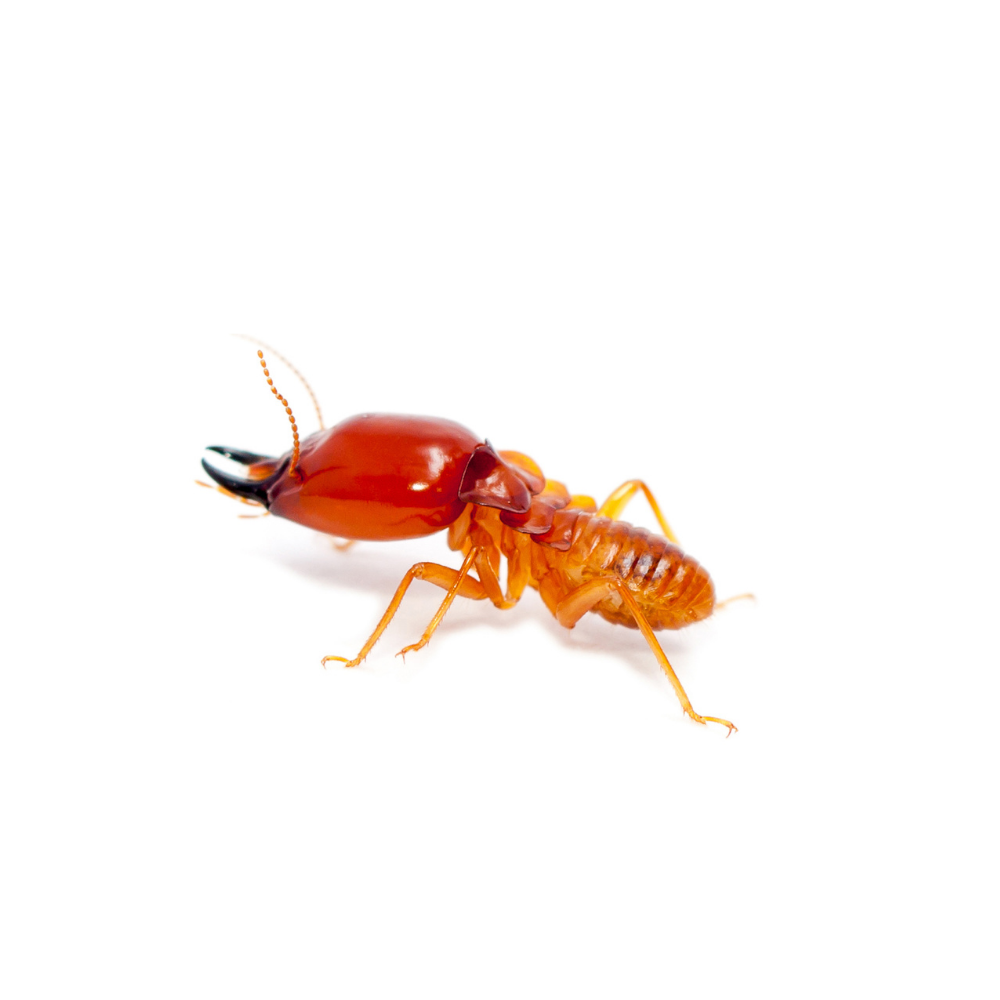

WHAT TYPE OF TERMITES ARE FOUND ON LONG ISLAND?
HOW DO I KNOW WHETHER I HAVE TERMITES?
WHEN DO TERMITES SWARM?
HOW DO TERMITE BAIT STATIONS WORK?
ARE BAIT STATIONS OR LIQUID TREATMENTS BETTER?
DO TERMITE STATIONS REQUIRE CONTINUED SERVICE?
CAN TERMITES BE ELIMINATED IN ONE VISIT?
DOES PESTIFY PROVIDE COMMERCIAL TERMITE CONTROL?
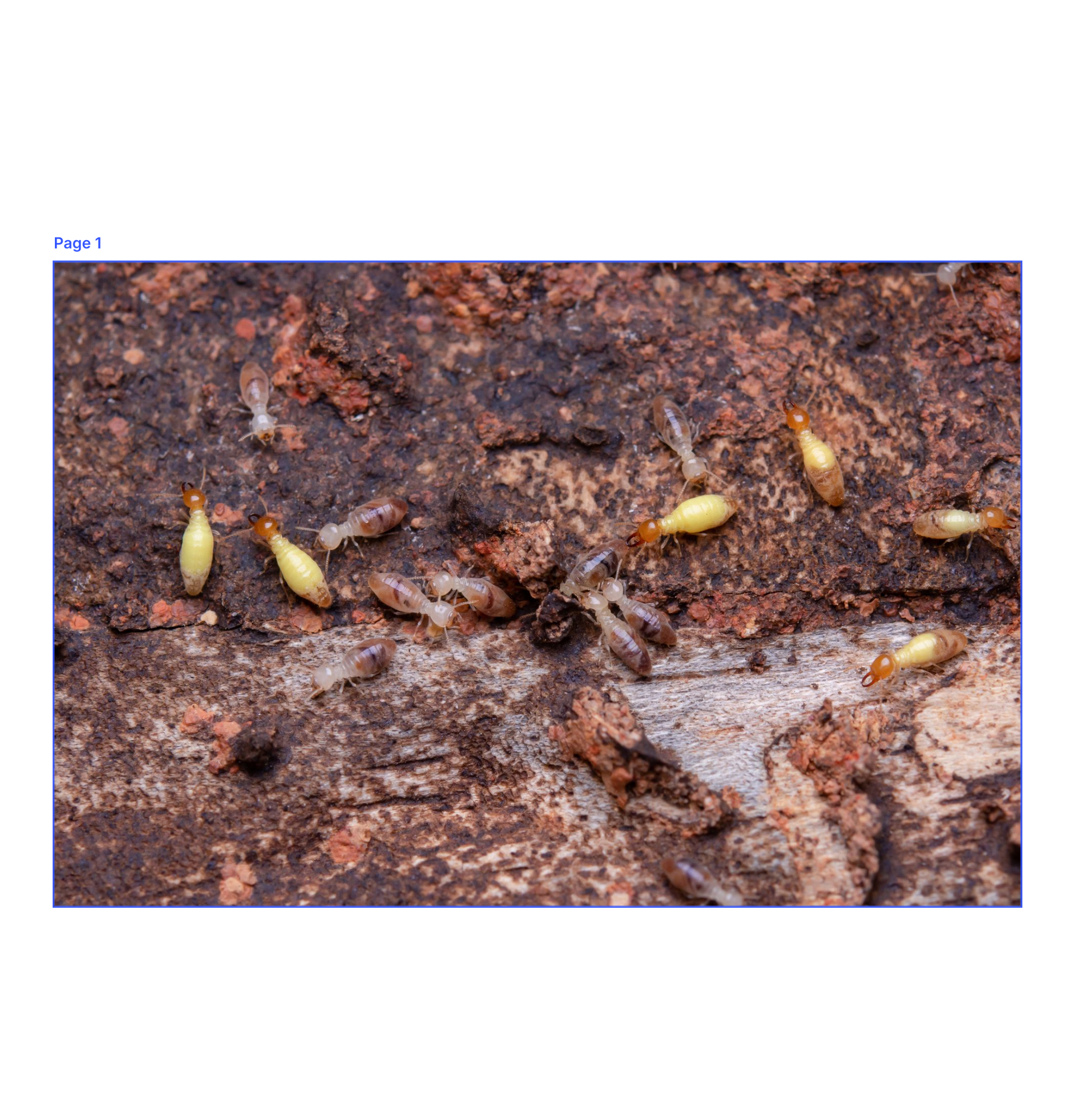
Swarm Season Ends, but the Threat Doesn't A termite swarm is not the infestation. It is the colony's reproductive event, the moment when winged termites leave an established nest to start new colonies elsewhere. Those swarms are timed to spring on Long Island, which is why that is when homeowners notice them. But the colony that produced the swarm does not go anywhere. It stays exactly where it was, and its workers continue tunneling and feeding on wood twenty-four hours a day, through summer, through fall, and straight through the winter in the protected warmth beneath a home. In other words, the absence of visible termites is not evidence of safety. A colony can consume wood inside a Suffolk County home for years without ever producing a swarm the homeowner happens to catch. By the time damage becomes obvious, that quiet feeding has usually been underway for a long time. Meet the Subterranean Termite The termites responsible for the overwhelming majority of damage on Long Island are subterranean termites, and their name explains why they are so easy to miss. They nest in the soil around and beneath a home and travel up into the structure through mud tubes, pencil-width tunnels of soil and saliva that let them reach wood without exposing themselves to open air. They avoid light and rarely surface where anyone can see them. This underground lifestyle is exactly what makes them so destructive. A colony can number in the hundreds of thousands, and it feeds continuously on the structural wood that holds a house up, hollowing out beams and framing from the inside while the surface looks perfectly intact. Because subterranean termites work out of sight, most Suffolk County homeowners have no idea they share their home with a colony until the damage is already significant. The Quiet Signs of Active Termite Damage Termites rarely announce themselves, but they do leave clues for anyone who knows what to look for. The mud tubes described above, running along foundation walls, in crawl spaces, or where the structure meets the soil, are among the clearest signs of active subterranean termites. Wood that sounds hollow when tapped, paint that looks blistered or bubbled, floors that feel unexpectedly soft, and doors or windows that suddenly stick can all point to feeding behind the surface. Another telltale sign appears after a swarm has already happened, even one you never witnessed. Discarded wings, small and translucent, collected on windowsills or near light fixtures often indicate that a colony is established in or very near the home. None of these clues is dramatic on its own, which is exactly why they are so easy to dismiss until the underlying damage is severe. Why Moisture Makes Long Island Homes Vulnerable Subterranean termites depend on moisture to survive, and that dependence shapes where they thrive. Damp soil against a foundation, poor drainage, leaking gutters, and humid, unventilated spaces beneath a home all create the conditions termites look for, giving them an easier path to the wood above. Many Long Island homes offer these conditions without their owners ever realizing it, particularly older properties and those with chronic moisture issues around the foundation. This is why termite protection and overall moisture management go hand in hand. Reducing the dampness that draws termites toward a structure removes part of the invitation, and it is one of the reasons a professional inspection looks closely at the conditions around and beneath a home, not just at the wood itself. Why Professional Termite Protection Makes the Difference Termites are not a pest a homeowner can manage with a can of spray from the hardware store. By the time damage is visible, the colony is well established, and reaching it means understanding how these insects move through the soil and into the structure. That is where professional experience is essential. Pestify technicians know how subterranean termites behave in Suffolk County homes, where to look for the quiet signs of activity, and how to build a protective barrier that addresses the colony rather than the few insects a homeowner might stumble across. Just as important is the ongoing nature of the threat. Because termites feed year-round and a treated home can face renewed pressure from colonies in the surrounding soil, lasting protection depends on regular inspection and monitoring, not a single visit. As a family-owned company serving Long Island, we design our termite treatments to be effective against the colony while remaining safe for your family and pets, so defending your home never introduces a new worry inside it. The most dangerous thing about termites is how easy they are to forget once swarm season ends. If it has been more than a year since your home was inspected, or if you have never had it checked at all, this is the time to change that, before quiet damage becomes an expensive repair. To schedule a termite inspection, contact Pestify at 631-681-5581 or visit pestifyli.com . Our experienced technicians serve Port Jefferson and communities throughout Suffolk County with the reliable, family-focused service you can trust, and new residential customers can start with a free first spray.