Ant Control
on Long Island.
Serving homeowners and businesses throughout Nassau and Suffolk Counties.
Need help today?
WHY ANTS BECOME A PROBLEM ON LONG ISLAND.
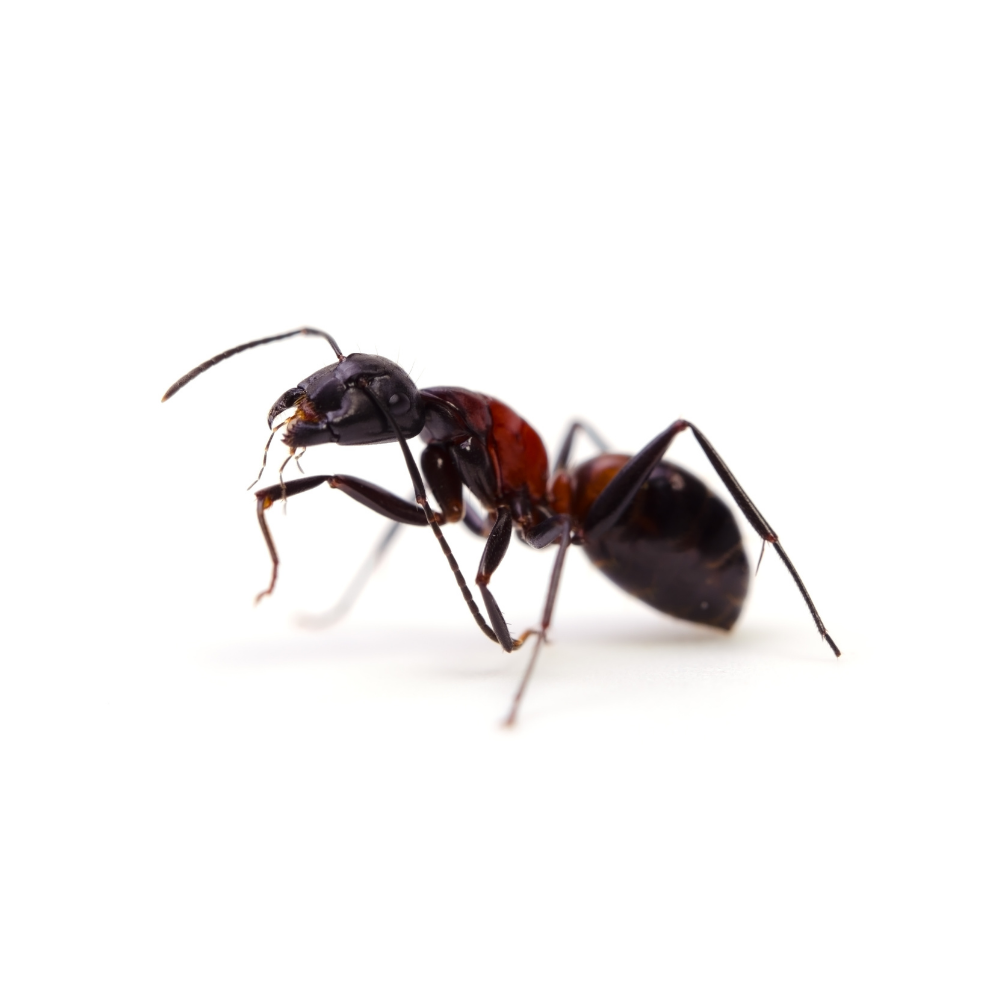
Ants can enter through tiny cracks around foundations, doors, windows, siding, and utility lines. Once inside, they are attracted to food, moisture, warmth, and protected nesting areas. Even a small trail of ants may indicate a much larger colony nearby.
Different ant species require different treatment strategies. Carpenter ants may nest in moisture-damaged wood, while common household ants often travel through wall voids, foundations, and small structural gaps in search of food and water. Pestify identifies the likely species, traces the activity, and targets the conditions contributing to the infestation—not just the ants you can see.
our ant control process.
Property inspection.
We inspect the interior and exterior of your property for ant trails, nesting areas, entry points, moisture conditions, and food sources. Identifying the likely ant species helps us determine the right treatment strategy.
Targeted treatment.
We use species-appropriate baits, crack-and-crevice applications, and targeted exterior treatments where needed to address active areas and reach more than just the visible ants. Products are professionally selected and applied according to label directions.
ONGOING PROTECTION
Quarterly or seasonal service helps monitor new activity, address changing conditions, and maintain protection around key entry areas. You receive a detailed service report after every visit.
ANT FACTS.
Common on Long Island properties:
Pavement ant (Tetramorium immigrans)
Active season:
Most active from spring through fall, although ants nesting indoors may be seen throughout the year
Size:
Approximately 1/10 to 1/2 inch long, depending on the species
Color:
Common species may be brown, reddish-brown, dark brown, or black
Risks:
Ants can contaminate food and become persistent indoor pests. Carpenter ants may excavate damp or damaged wood while building their nests
Where they live:
Beneath pavement, foundations, stones, mulch, wall voids, floors, and moisture-damaged wood
How Pestify helps: We identify the likely species, inspect for nesting conditions and entry points, and use targeted treatments designed to reach more than just the visible ants
ANT SPECIES COMMONLY FOUND IN NASSAU AND SUFFOLK COUNTIES.
Several ant species commonly enter homes and businesses across Long Island. The species involved, nesting location, moisture conditions, food sources, and entry points all help determine the right treatment strategy.
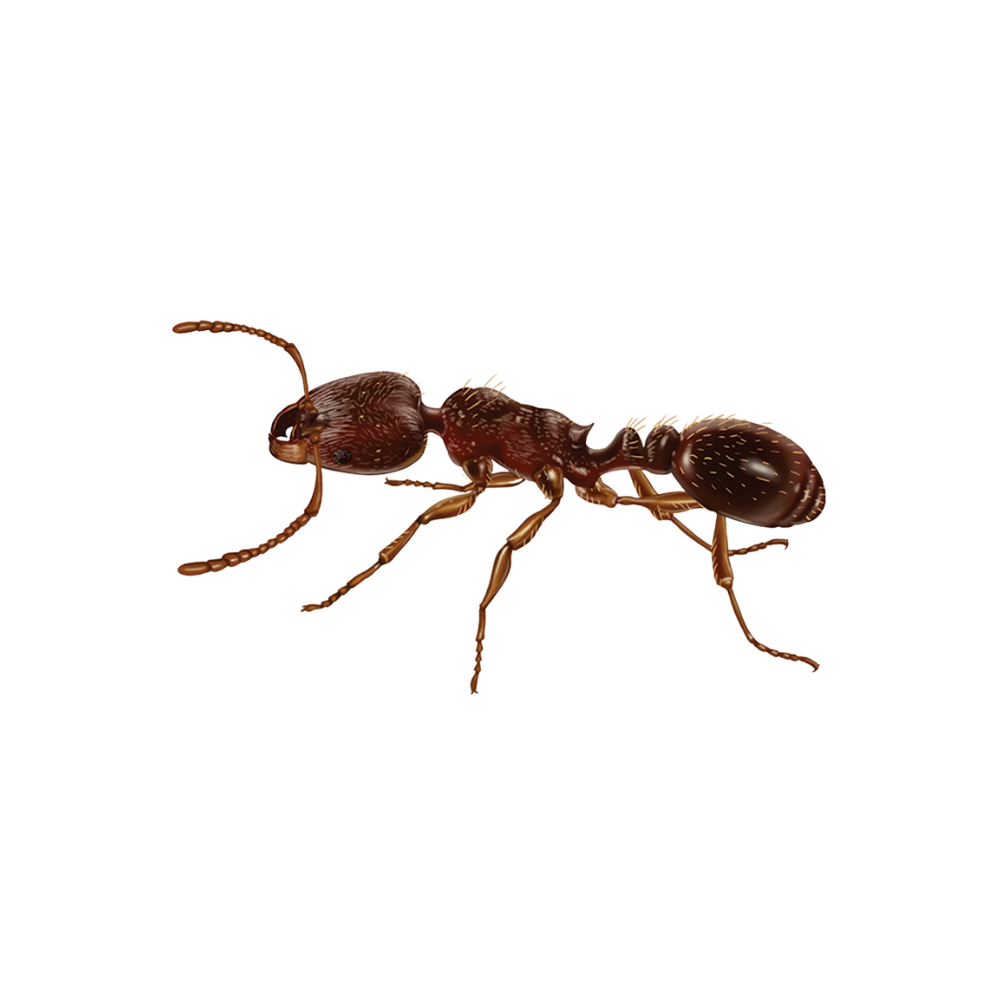
PAVEMENT ANT
Tetramorium immigrans
A small brown or dark-colored ant commonly found nesting beneath sidewalks, driveways, foundations, concrete slabs, and stones. Pavement ants may enter buildings through cracks while searching for food and moisture.
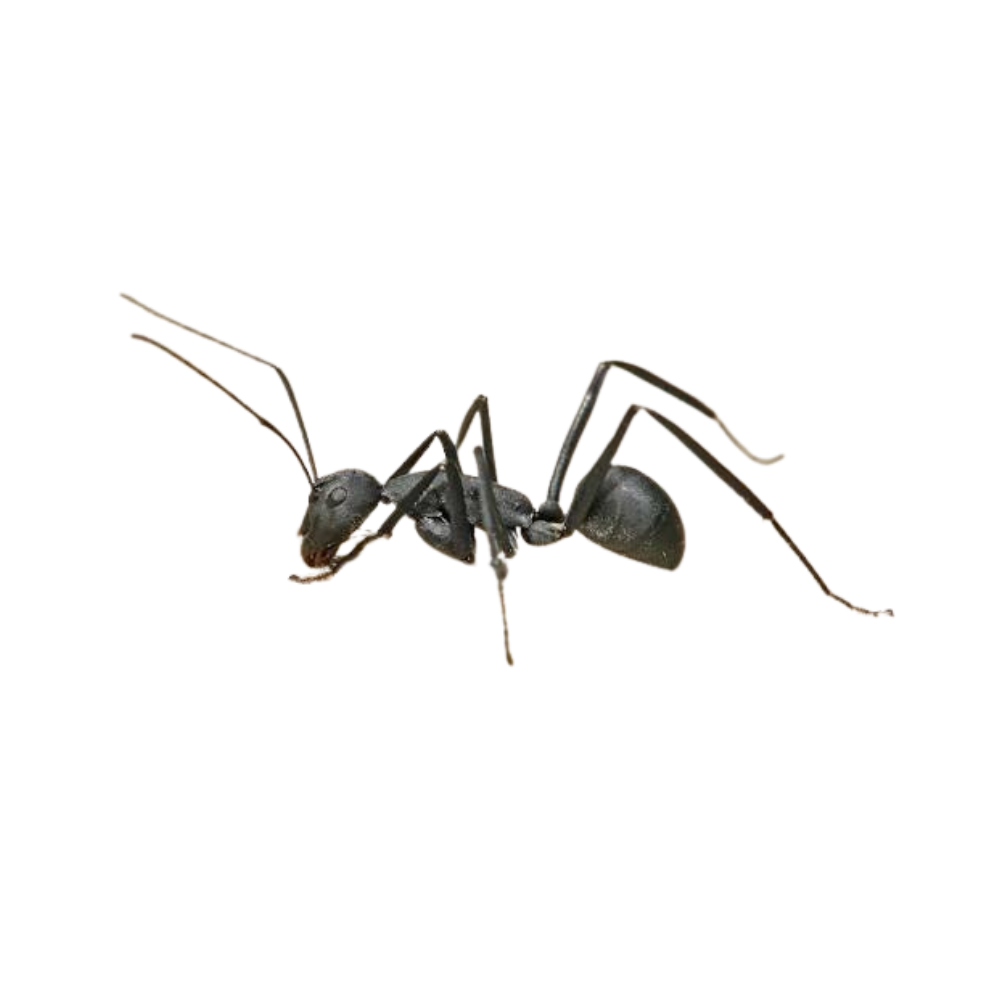
CARPENTER ANT
Camponotus specie
One of the largest ants commonly found around homes and buildings. Carpenter ants excavate galleries in damp, softened, or damaged wood to create nesting space. They do not eat wood, but an active colony may indicate an underlying moisture problem.
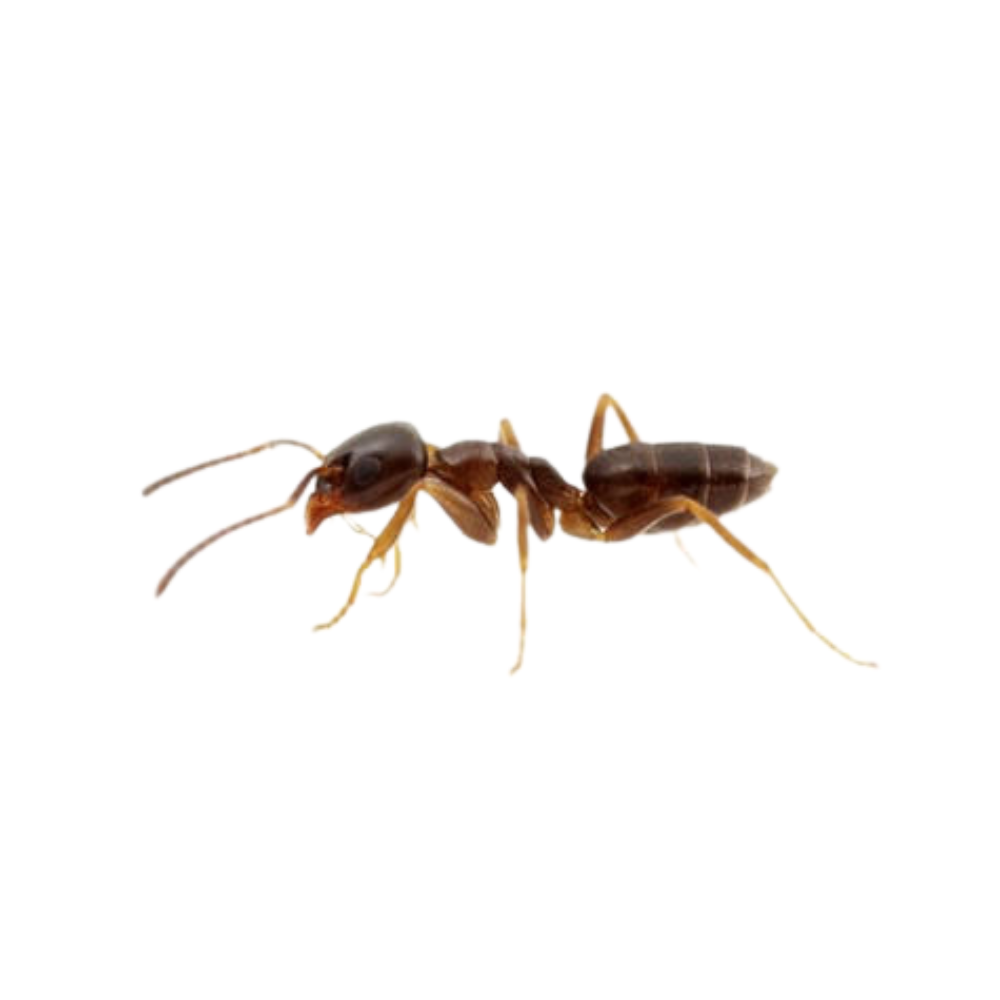
ODOROUS HOUSE ANT
Tapinoma sessile
A small brown or dark-brown ant that may produce an unpleasant odor when crushed. These ants commonly nest beneath objects outdoors and may establish colonies inside wall voids, beneath floors, and near sources of moisture.
5 things to know about ANTS.
THE SPECIES CHANGES THE TREATMENT
Different ants have different nesting locations, food preferences, and colony behaviors. Correct identification helps determine the most effective treatment strategy.
THE COLONY MAY BE HIDDEN
The ants you see are generally workers traveling between the colony and a source of food or water. The main nest may be outdoors, beneath the building, or inside a wall void.
FOOD AND MOISTURE ATTRACT ACTIVITY
Crumbs, spills, pet food, leaking pipes, damp wood, and other moisture sources can make a property more attractive to ants.
CARPENTER ANTS DO NOT EAT WOOD
Carpenter ants remove wood to create nesting galleries. Their presence may indicate damp, decaying, or moisture-damaged wood nearby.
TREATING VISIBLE ANTS MAY NOT SOLVE THE PROBLEM
Killing the ants you can see may provide temporary relief without addressing the colony. Effective control focuses on identifying the species, locating active areas, and targeting the source.
Signs you have an Ant problem.
ANT TRAILS INSIDE YOUR PROPERTy
You regularly see ants traveling along countertops, floors, walls, windows, baseboards, or other consistent pathways.
ACTIVITY NEAR FOOD OR WATER
Ants appear around kitchens, pantries, sinks, bathrooms, pet bowls, garbage containers, or other food and moisture sources.
WINGED ANTS INDOORS
Finding multiple winged ants indoors may indicate that a mature colony is nesting within or close to the structure.
SAWDUST-LIKE MATERIAL NEAR WOOD
Small piles of wood shavings or debris near window frames, decks, wall voids, or damaged wood may indicate carpenter-ant activity.
ANT prevention tips.
Prevention alone may not eliminate an established ant colony, but these steps can make your property less attractive and support professional treatment.
SEAL CRACKS AND GAPS
Seal openings around doors, windows, foundations, siding, pipes, wires, and other potential entry points
REMOVE FOOD SOURCES
Clean crumbs and spills, store food in sealed containers, empty garbage regularly, and avoid leaving pet food out overnight.
CORRECT MOISTURE PROBLEMS
Repair leaking pipes, improve drainage, clean gutters, and replace damp or decaying wood where possible.
TRIM LANDSCAPING
Keep shrubs, branches, and vegetation from touching the structure and creating pathways into the building.
MOVE FIREWOOD AWAY
Store firewood off the ground and away from the structure to reduce protected nesting areas nearby.

People like us. Pests don’t.
The Pestify Guarantee:
If covered pests come back, we come back.
We're so sure you'll love our service, we guarantee it. If a covered pest shows up between scheduled visits, just give us a call. We'll come back until the pests don't.
Let’s talk about your pest problems.
Send us a message below, or just give us a call at (631) 681-5581.