
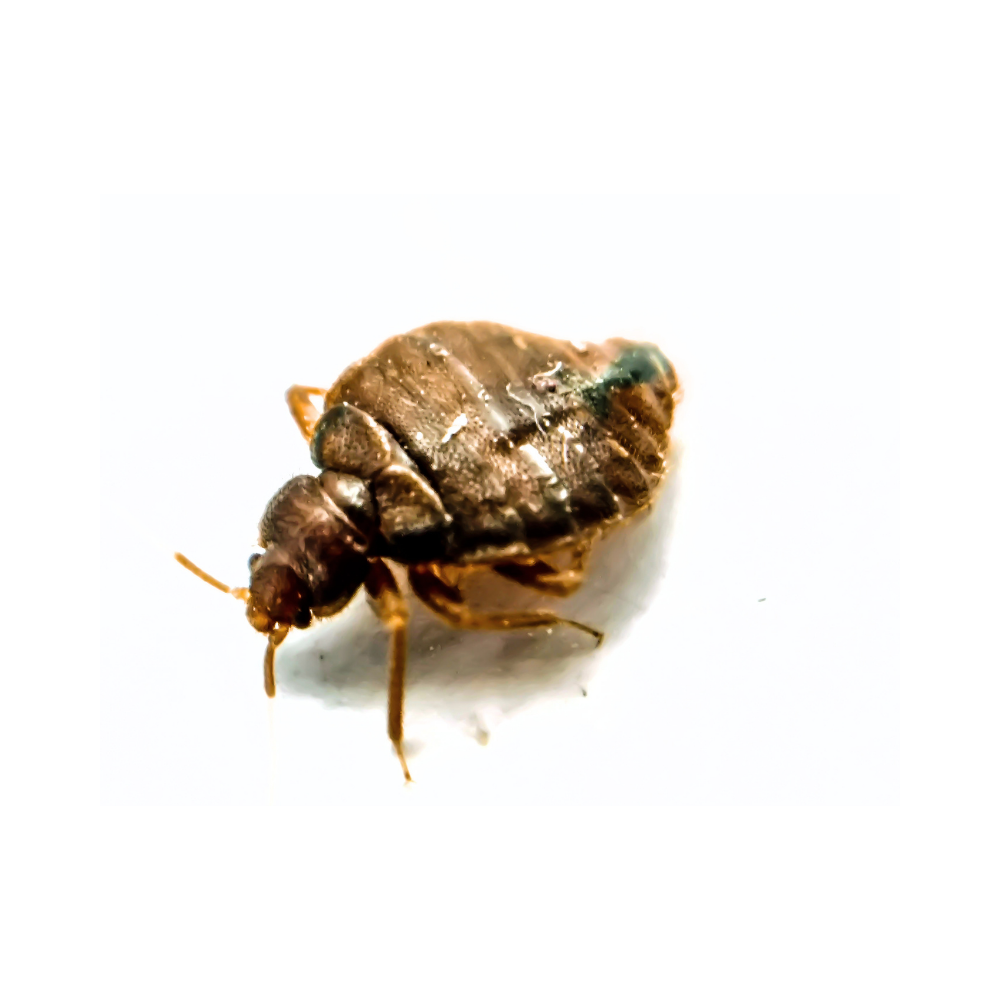


Why Bed Bugs Are a Late-Summer Problem on Long Island Bed bugs do not have a true season the way mosquitoes or ticks do. What they have is a travel season, and late summer is its peak. Hotels, rentals, dorms, and shared transportation all see heavy turnover in August, which gives bed bugs more chances than usual to move from one set of belongings to another. For Suffolk County families, two overlapping events make this window especially risky. The first is end-of-summer vacation, when suitcases spend nights in unfamiliar rooms. The second is college move-in, when students haul mattresses, bedding, and secondhand furniture into dorms and apartments, then bring it all home again for breaks. Both are perfectly ordinary. Both are also exactly how a bed bug travels into a Long Island home without anyone noticing. How Bed Bugs Travel Into Suffolk County Homes Bed bugs are hitchhikers, not fliers or jumpers. They cannot cross a yard on their own, so they rely entirely on being carried. A single bug or a few eggs tucked into the seam of a suitcase, a backpack, or a folded jacket is all it takes, and from there they settle into a bedroom and begin to multiply. Luggage placed on a hotel bed or floor, secondhand furniture, and shared laundry facilities are among the most common ways they make the trip. College students returning home are a particularly frequent source, simply because dorm life combines high turnover, shared spaces, and a lot of moving belongings. None of this reflects carelessness. It reflects how easily these insects exploit ordinary daily life. The Early Signs Most People Miss Bed bugs are experts at staying hidden, which is why so many infestations go unnoticed until they are well established. The bugs themselves are small, flat, and reddish-brown, and they retreat into mattress seams, box springs, headboards, and cracks near the bed during the day. The signs are often easier to spot than the insects. Small reddish or rust-colored stains on sheets and mattresses, tiny dark spots that look like specks of ink, and a faint musty odor in a heavily affected room are all common indicators. Many people first notice bites, which tend to appear in small clusters or lines on skin exposed during sleep. Because those bites are easy to mistake for mosquitoes or an allergic reaction, the underlying cause frequently goes unrecognized until the population has grown. Why Bed Bugs Are So Hard to Get Rid of on Your Own Few pests frustrate homeowners more than bed bugs, and for good reason. They hide in places that are almost impossible to reach, they can survive for months without feeding, and their eggs resist many over-the-counter sprays entirely. Store-bought treatments often kill the bugs a homeowner can see while leaving eggs and hidden insects untouched, so the population rebounds within weeks. Worse, incomplete treatment can scatter bed bugs into new areas of the home as they move away from whatever was applied. That is how a problem contained to a single bedroom spreads down a hallway and into a second room. Getting rid of bed bugs is not about a single spray. It is about a thorough, methodical process that reaches every stage of the infestation. How Pestify Handles a Bed Bug Problem the Right Way When you call Pestify about a possible bed bug issue, we begin with a careful inspection to confirm what you are dealing with and to map exactly where the insects are hiding. That step matters, because effective treatment depends on knowing the full extent of the problem rather than guessing. From there, our technicians apply a targeted treatment plan designed to eliminate bed bugs at every stage, including the eggs that DIY efforts so often miss, followed by the monitoring needed to confirm the problem is truly gone. As a family-owned company serving Suffolk County, we know that bed bugs are as stressful as any pest we treat, and we handle every visit with discretion and care. Our treatments are designed to be safe for your family and pets, so reclaiming your bedrooms never means creating a new worry in the process. Before you unpack from that last summer trip or welcome a college student home, take a few minutes to check the seams of your luggage and inspect the mattress. And if something does not look right, do not wait for the problem to grow. Contact Pestify at 631-681-5581 or visit pestifyli.com to schedule an inspection. Our experienced technicians serve Port Jefferson and communities throughout Suffolk County, and new residential customers can start with a free first spray.