
SPOTTED LANTERNFLY CONTROL
ON LONG ISLAND.
Seeing spotted lanternflies, egg masses, sticky honeydew, or black sooty mold around your property? Pestify provides professional spotted lanternfly inspections, targeted treatment, and seasonal monitoring for homes and businesses throughout Nassau and Suffolk Counties.
Need help today?
WHY SPOTTED LANTERNFLIES BECOME A PROBLEM ON LONG ISLAND.
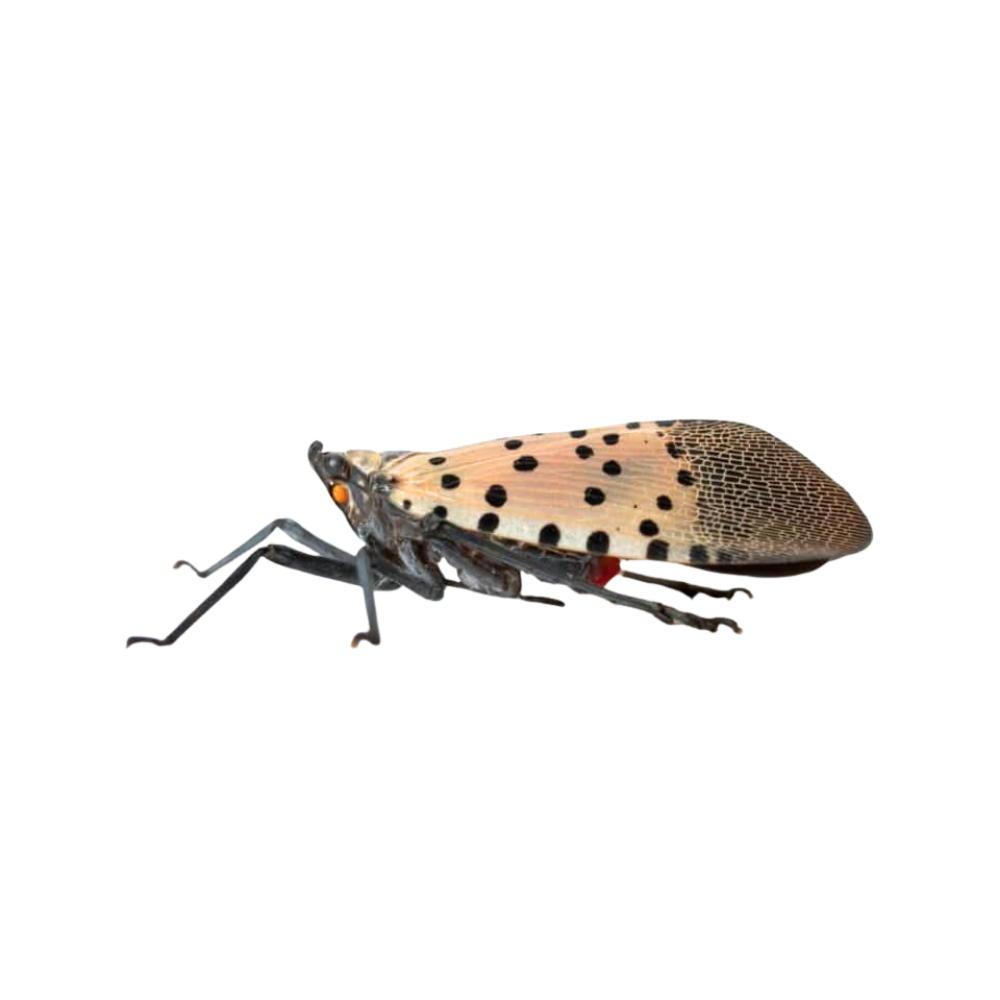
Spotted lanternflies are invasive, sap-feeding insects that gather on trees, vines, and other plants. They are strongly associated with tree-of-heaven but may also feed on grapevines, maple, walnut, fruit trees, hops, and many ornamental plants commonly found around Long Island properties
Large populations can stress plants and create a significant nuisance around homes, businesses, patios, parking areas, vineyards, and landscaped properties. As they feed, spotted lanternflies release sticky honeydew that can coat outdoor surfaces, attract other insects, and support the growth of black sooty mold. Pestify identifies active life stages, host plants, egg masses, and concentrated feeding areas so the management plan can be tailored to the conditions present.
OUR SPOTTED LANTERNFLY CONTROL PROCESS.
Property inspection.
We inspect trees, vines, shrubs, landscaping, fences, outdoor structures, vehicles, equipment, and other potential harboring areas for adults, nymphs, egg masses, honeydew, sooty mold, and concentrated feeding activity. We also identify tree-of-heaven and other preferred host plants that may be supporting activity.
Targeted MANAGEment.
Based on the life stage and conditions present, we may use egg-mass removal, mechanical control, traps, and professionally selected treatments registered for the application site. Treatment focuses on active host plants and concentrated feeding areas rather than applying products throughout the property without a clear reason.
FOLLOW-UP MONITORING.
Spotted lanternflies can move into a property from surrounding areas, so continued monitoring may be necessary during the active season. We reassess treated areas, inspect for new activity, evaluate host plants, and adjust the management plan when appropriate. You receive a detailed service report after every visit.
Spotted Lanternfly FACTS.
Scientific name:
Spotted lanternfly (Lycorma delicatula)
Classification:
Invasive sap-feeding planthopper
Active season:
Egg masses remain through winter; nymphs appear during spring and summer; adults are generally active from midsummer through late fall
Size and appearance:
Adults are approximately 1 inch long and ½ inch wide at rest, with gray spotted forewings and red, black, and white hindwings
Risks:
Heavy feeding can stress plants, particularly grapevines and other preferred hosts. Honeydew can coat decks, patios, vehicles, furniture, and vegetation while encouraging black sooty mold and attracting other insects
Where they gather:
Tree trunks, grapevines, tree-of-heaven, maples, walnuts, fruit trees, outdoor structures, vehicles, firewood, stone, equipment, and other surfaces where adults or egg masses may be found
How Pestify helps: We identify the life stage and areas of concentrated activity, inspect preferred host plants, remove accessible egg masses when appropriate, apply targeted management methods, and monitor for recurring seasonal activity
SPOTTED LANTERNFLY LIFE STAGES.
Spotted lanternflies have one generation per year and appear differently throughout their development. Correctly identifying the life stage helps determine which management options are appropriate at that time.
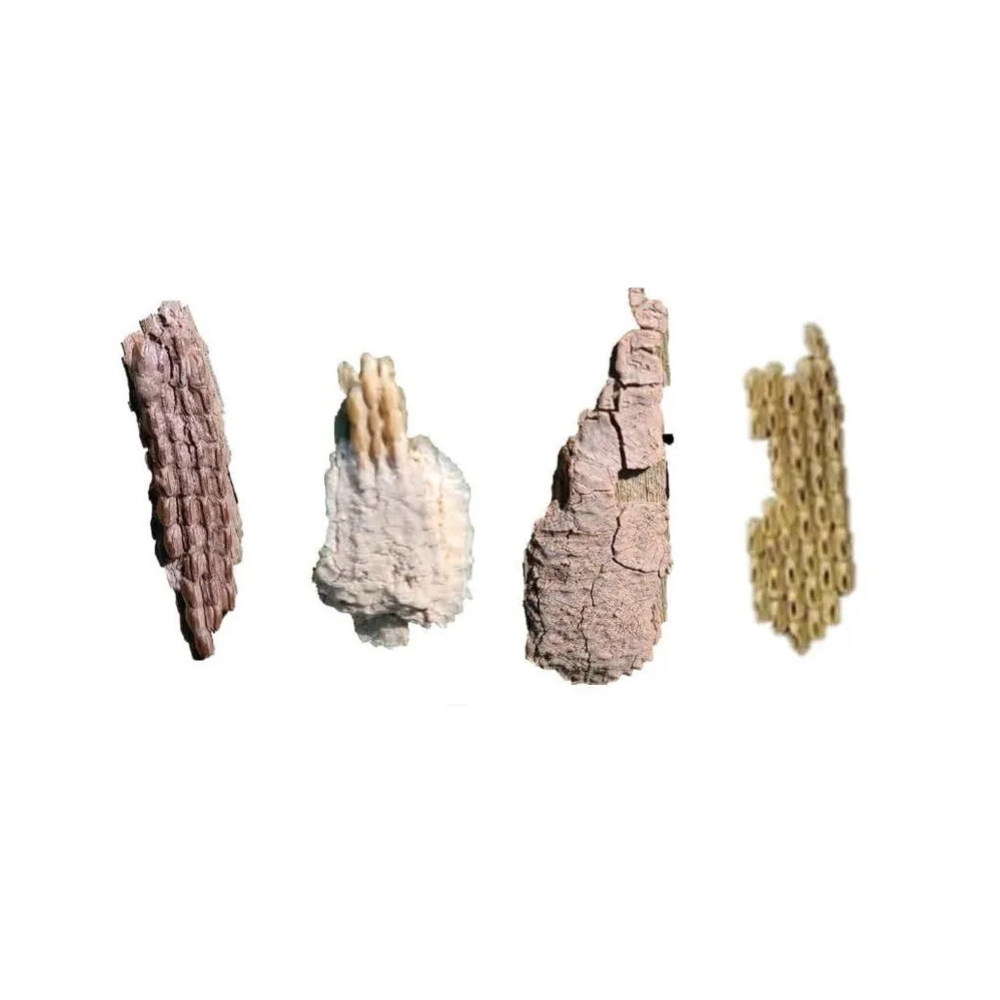
EGG MASSES
Egg masses are generally laid beginning in the fall and remain through winter until hatching in spring. New masses may look like grayish-brown smears of mud or putty. As they age, the covering can dry, crack, and expose rows of individual eggs.
Egg masses may be attached to tree bark, stone, outdoor furniture, vehicles, firewood, trailers, equipment, fencing, and many other hard surfaces.
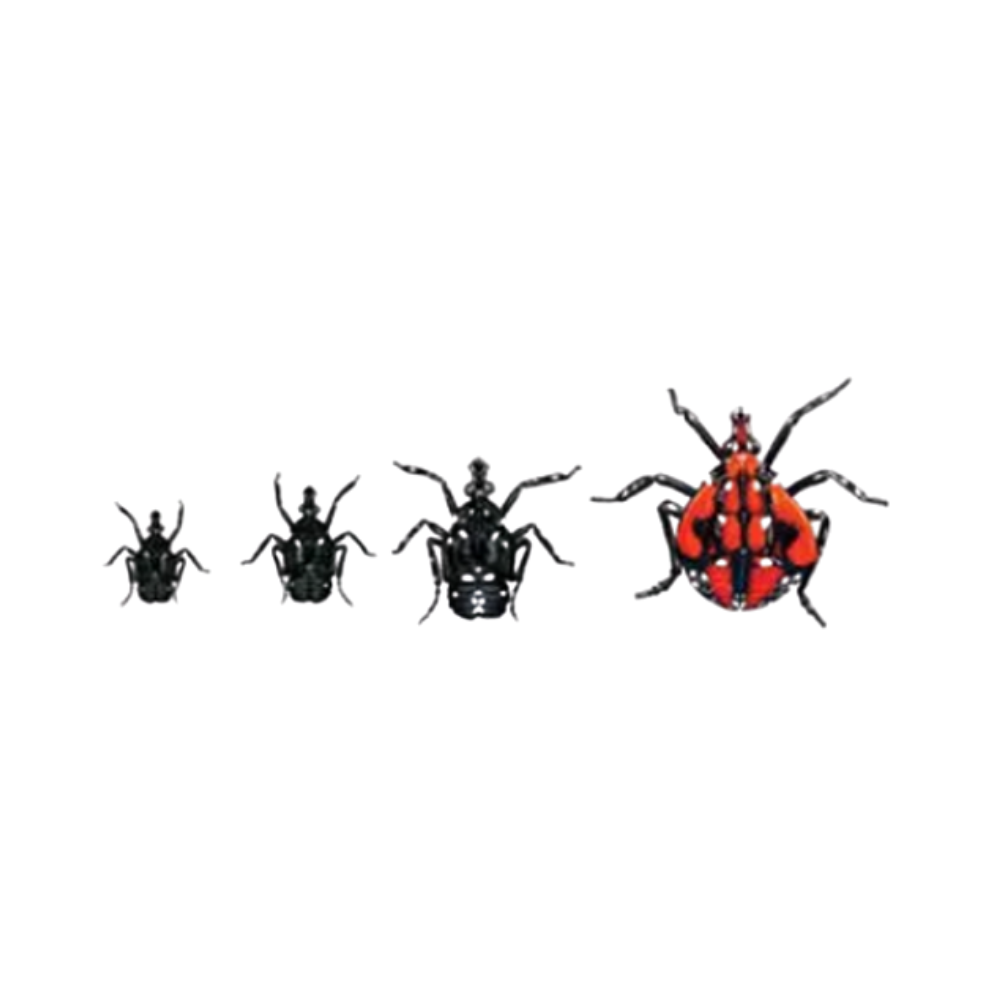
EARLY AND LATE NYMPHS
Early nymphs are black with bright white spots. Later-stage nymphs develop noticeable red coloring while retaining black and white markings.
Nymphs are strong jumpers and may move between trees, vines, shrubs, and other plants as they feed. They are commonly observed during spring and summer.
ADULT SPOTTED LANTERNFLIES
Adults have grayish forewings covered with black spots. When their wings open, bright red, black, and white hindwings become visible.
Adults generally begin appearing during midsummer and may remain active into late fall. They often gather in large numbers on preferred host plants before laying egg masses.
5 THINGS TO KNOW ABOUT SPOTTED LANTERNFLIES.
PEOPLE ACCIDENTALLY HELP THEM SPREAD
Spotted lanternflies can jump or fly short distances, but much of their longer-distance spread occurs when adults or egg masses hitchhike on vehicles, trailers, firewood, stone, outdoor furniture, equipment, and transported materials.
THEY DO NOT BITE OR STING PEOPLE
Spotted lanternflies are not known to bite or sting people or pets. Their primary concerns are plant stress, agricultural impact, honeydew, sooty mold, and the nuisance created by large populations.
THEY ARE NOT ACTUALLY FLIES
Despite their name, spotted lanternflies are planthoppers. They use piercing, straw-like mouthparts to feed on plant sap.
THEIR HONEYDEW CAN CREATE A MAJOR MESS
As spotted lanternflies feed, they release sugary honeydew. This sticky material may coat surfaces, attract wasps and other insects, and encourage black sooty mold to grow on vegetation and objects beneath infested plant
TREATMENT CANNOT PERMANENTLY PREVENT NEW ARRIVALS
Management can reduce concentrated activity and help protect important plants, but spotted lanternflies may move onto a treated property from surrounding trees or neighboring properties later in the season.
SIGNS YOU HAVE A SPOTTED LANTERNFLY PROBLEM.
CLUSTERS OF NYMPHS OR ADULTS
You notice groups of black-and-white nymphs, red-and-black nymphs, or spotted adults gathering on tree trunks, vines, branches, fences, outdoor structures, or other vertical surfaces.
GRAY OR BROWN EGG MASSES
You find flat, grayish-brown patches that resemble dried mud or putty on tree bark, stone, furniture, vehicles, trailers, firewood, equipment, or other outdoor surfaces.
STICKY HONEYDEW
Leaves, decks, patios, vehicles, outdoor furniture, walkways, or other surfaces beneath trees feel sticky or appear coated with a clear sugary substance.
BLACK SOOTY MOLD
Black fungal growth develops on leaves, tree trunks, landscaping, decks, furniture, or other surfaces where honeydew has accumulated.
WEEPING SAP OR FERMENTED ODORS
Trees may appear wet from sap weeping around feeding areas. Heavily affected areas may produce a fermented odor and attract wasps, flies, ants, or other insects.
HEAVY ACTIVITY ON TREE-OF-HEAVEN OR GRAPEVINES
Large numbers of spotted lanternflies gather on tree-of-heaven, grapevines, maples, walnuts, or other preferred host plants around the property.
SPOTTED LANTERNFLY PREVENTION AND MANAGEMENT TIPS.
Prevention cannot guarantee that spotted lanternflies will never enter your property, but these steps can help reduce accidental spread and support professional management.
INSPECT VEHICLES AND OUTDOOR ITEMS
Check vehicles, trailers, campers, outdoor furniture, grills, lawn equipment, stone, pallets, and other stored items for adults and egg masses before moving them to another location.
SCRAPE AND DESTROY EGG MASSES
When accessible egg masses are found, scrape them into a container of hot, soapy water, rubbing alcohol, or hand sanitizer rather than simply knocking them onto the ground.
CHECK FIREWOOD AND TRANSPORTED MATERIALS
Inspect firewood, lumber, nursery stock, construction materials, landscaping supplies, and equipment before transporting them. Spotted lanternfly egg masses can be attached to many hard outdoor surfaces
MONITOR PREFERRED HOST PLANTS
Regularly check tree-of-heaven, grapevines, maples, walnuts, fruit trees, and other plants showing concentrated activity. Not every plant needs treatment, so focus attention on active areas and high-value plants.
USE TRAPS AND TREATMENTS RESPONSIBLY
Circle traps can capture climbing nymphs without using exposed adhesive. Sticky bands can trap birds, pollinators, mammals, and beneficial insects when installed without proper wildlife barriers. Avoid unverified home remedies and use pesticide products only according to their labels.

People like us. Pests don’t.
The Pestify Guarantee:
If covered pests come back, we come back.
We're so sure you'll love our service, we guarantee it. If a covered pest shows up between scheduled visits, just give us a call. We'll come back until the pests don't.
FREQUENTLY ASKED QUESTIONS ABOUT SPOTTED LANTERNFLY CONTROL.
WHAT IS A SPOTTED LANTERNFLY?
The spotted lanternfly is an invasive sap-feeding planthopper native to Asia. It feeds on tree-of-heaven and many other plants, including grapevines, maple, walnut, hops, fruit trees, and ornamental landscaping.
HAVE SPOTTED LANTERNFLIES BEEN FOUND ON LONG ISLAND?
Yes. New York State has confirmed spotted lanternfly populations on Long Island as well as in New York City and several other areas of the stat
DO SPOTTED LANTERNFLIES BITE OR STING?
No. Spotted lanternflies are not known to bite or sting people or pets. They feed on plant sap rather than blood. Their main concerns involve plant stress, agricultural damage, honeydew, sooty mold, and nuisance activity.
WHAT PLANTS ATTRACT SPOTTED LANTERNFLIES?
Tree-of-heaven is a particularly important host, but spotted lanternflies may also feed on grapevines, maples, walnuts, fruit trees, hops, and numerous ornamental and landscape plants.
WILL SPOTTED LANTERNFLIES KILL MY TREES?
Spotted lanternfly feeding can stress plants, especially when populations are high or plants are already weakened. Heavy feeding has caused serious damage to grapevines and certain other hosts. However, spotted lanternfly is not currently considered a direct cause of death for most established ornamental and shade trees.
WHAT DOES A SPOTTED LANTERNFLY EGG MASS LOOK LIKE?
A newly laid egg mass may look like a flat gray or brown smear of mud or putty. As the covering ages, it becomes dry and cracked, sometimes revealing rows of individual brown eggs underneath.
WHEN ARE SPOTTED LANTERNFLIES ACTIVE?
Egg masses remain through the winter. Early black-and-white nymphs may appear during spring, red later-stage nymphs generally appear during summer, and adults are commonly seen from midsummer through late fall. Exact timing varies with weather conditions.
WHAT IS THE STICKY SUBSTANCE UNDER AN INFESTED TREE?
The sticky substance is called honeydew. Spotted lanternflies release it while feeding on plant sap. Honeydew may coat plants and outdoor surfaces, attract other insects, and support the growth of black sooty mold.
HOW DO SPOTTED LANTERNFLIES SPREAD?
They can jump and fly short distances, but they spread much farther when adults or egg masses are transported on vehicles, outdoor furniture, firewood, stone, trailers, equipment, and other materials.
SHOULD EVERY TREE ON MY PROPERTY BE TREATED?
No. Treatment decisions should be based on the number of insects present, life stage, plant species, plant health, location, and importance of the affected plant. Not every tree or shrub requires treatment simply because spotted lanternflies are present nearby.
CAN ONE TREATMENT ELIMINATE SPOTTED LANTERNFLIES PERMANENTLY?
No treatment can guarantee that spotted lanternflies will never return. New insects can move in from neighboring properties and surrounding vegetation. Management should focus on reducing concentrated activity, protecting important plants, destroying egg masses, and monitoring throughout the season.
DOES PESTIFY REMOVE SPOTTED LANTERNFLY EGG MASSES?
Pestify can inspect for accessible egg masses and include egg-mass removal in the management plan when practical and appropriate. Egg masses may also occur high in trees or on inaccessible surfaces that cannot safely be reached.
DOES PESTIFY TREAT COMMERCIAL PROPERTIES?
Yes. Pestify can provide spotted lanternfly inspections and management for commercial properties, property-management companies, apartment communities, hotels, retail properties, outdoor venues, landscaped campuses, and other managed properties throughout Nassau and Suffolk Counties.
DO SPOTTED LANTERNFLIES NEED TO BE REPORTED?
Reporting instructions change as spotted lanternfly populations become established in new areas. Property owners should follow the current New York State Department of Agriculture and Markets or DEC guidance for their exact location rather than relying on an older county list.
Let’s talk about your pest problems.
Send us a message below, or just give us a call at (631) 681-5581.