Tick Season Starts Earlier Than You Think: Long Island Tick Prevention for March
When do you think tick season starts on Long Island?
If you said "summer," you're not alone. Most homeowners assume tick season runs from Memorial Day through Labor Day, roughly aligned with beach season and outdoor activities.
The reality is far different - and far more concerning.
Ticks are active on Long Island whenever temperatures reach 40°F. That means tick season starts in March, sometimes even February during warm spells, and doesn't end until the first hard freeze in late fall.
And here's what makes this particularly important for Long Island residents: we have one of the highest rates of Lyme disease in the entire country. Suffolk County consistently ranks in the top counties nationwide for Lyme disease cases. Nassau County isn't far behind.
This isn't a problem we can ignore or address casually. Tick-borne diseases are a serious public health concern on Long Island, and protection starts now - not in May or June when you finally see a tick on your pet or child.
At Pestify Pest Control, we've been helping Long Island families protect themselves from ticks for years. We understand the local tick population, the disease risks, and most importantly, what actually works for prevention. And we can tell you with certainty: March is when protection should begin.
Long Island's Tick Reality
Before we get into prevention strategies, let's establish the scope of the problem. This isn't fear-mongering - these are facts that every Long Island homeowner should understand.
The Statistics That Matter
Lyme Disease Prevalence:
- Suffolk County reported over 3,000 confirmed Lyme disease cases in recent years, making it one of the highest-incidence counties in the United States
- Nassau County reports over 1,000 cases annually
- These numbers represent only confirmed cases; many cases go unreported or are misdiagnosed
- The CDC estimates actual Lyme disease cases may be 10 times higher than reported numbers
Other Tick-Borne Diseases on Long Island:
- Anaplasmosis
- Babesiosis
- Ehrlichiosis
- Powassan virus (rare but serious)
- Rocky Mountain Spotted Fever
Long Island isn't just high-risk for Lyme disease - we're a hotspot for multiple tick-borne diseases.
Types of Ticks in Our Area
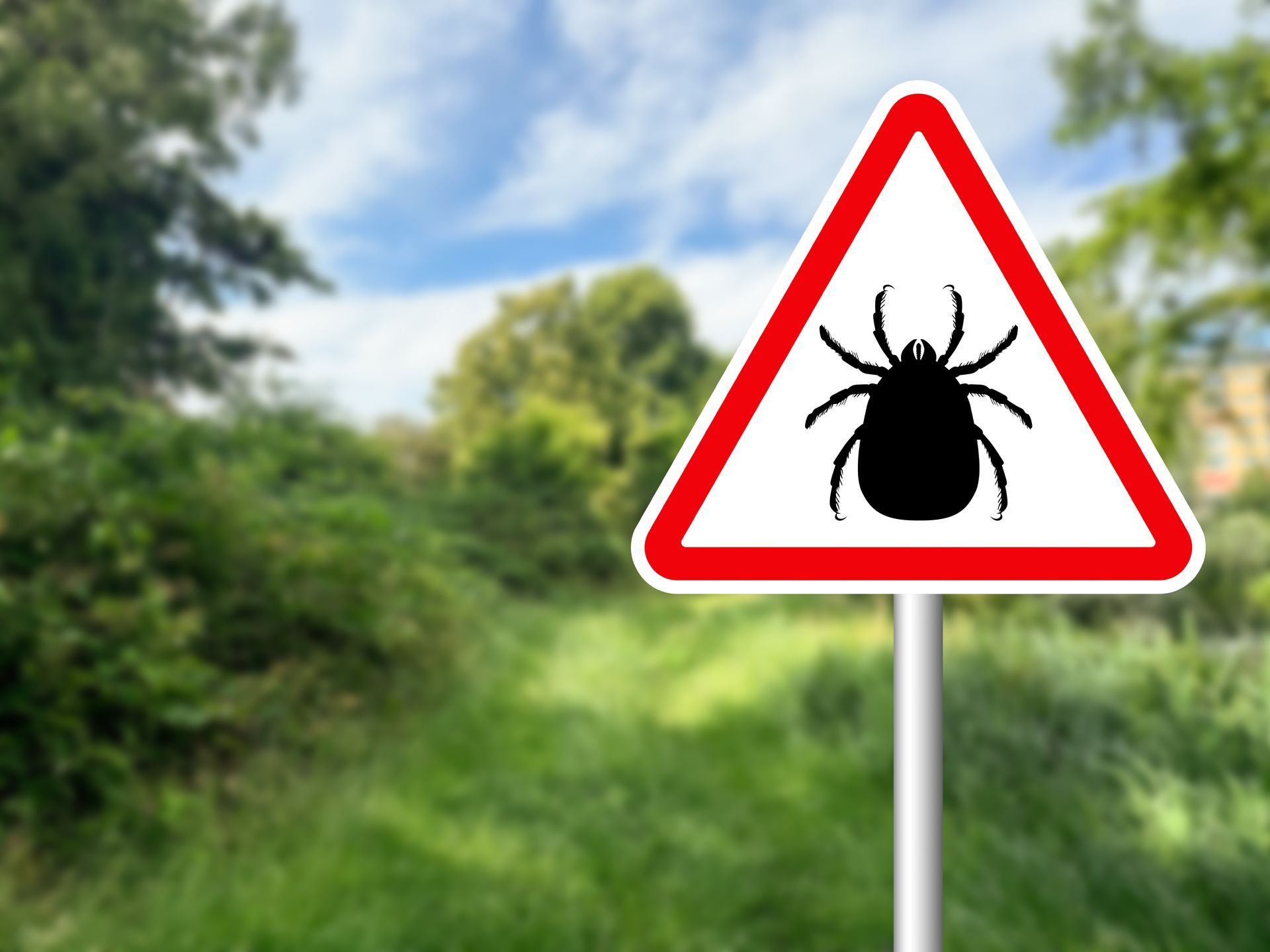
Blacklegged Tick (Deer Tick) - Ixodes scapularis: This is the primary concern for Long Island residents. These ticks:
- Carry Lyme disease, anaplasmosis, and babesiosis
- Are tiny (adult females are about 3mm, males smaller; nymphs are the size of a poppy seed)
- Are active in spring (adults) and late spring through summer (nymphs)
- Prefer wooded areas, leaf litter, and tall grass
- Are the most common tick encountered on Long Island
American Dog Tick - Dermacentes variabilis: These ticks:
- Can carry Rocky Mountain Spotted Fever and tularemia
- Are larger and easier to spot than deer ticks
- Prefer less wooded areas, edges of woods, trails
- Are active primarily in spring and summer
- Often found on dogs (hence the name)
Lone Star Tick - Amblyomma americanum: An invasive species expanding into Long Island:
- Can carry ehrlichiosis and Southern Tick-Associated Rash Illness (STARI)
- Can cause alpha-gal syndrome (red meat allergy)
- Named for the white spot on female's back
- Increasingly common in our area
- More aggressive than other ticks (will actively pursue hosts)
Why Our Geography Creates Ideal Tick Habitat
Long Island's landscape is essentially perfect for ticks:
Wooded areas meeting suburban development: Our neighborhoods blend directly into wooded parks, nature preserves, and undeveloped lots. This interface between woods and lawns creates prime tick habitat.
Abundant deer population: White-tailed deer are the primary host for adult deer ticks. Long Island has a very high deer population with limited natural predators. Where there are deer, there are ticks.
Rodent populations: Mice, particularly white-footed mice, are the primary host for larval and nymphal deer ticks. They're also the reservoir for Lyme disease bacteria. Long Island's suburban environment supports large mouse populations.
Humid climate: Our proximity to water creates humidity levels ideal for tick survival.
Leaf litter and ground cover: Our mature landscaping and fall leaf accumulation provides overwintering habitat for ticks.
Moderate winters: Unlike areas further north, our winters rarely get cold enough long enough to significantly reduce tick populations.
Climate Change Extending Tick Season
There's clear evidence that tick season on Long Island is getting longer and tick populations are increasing:
- Warmer average temperatures mean earlier spring activity
- Milder winters mean better tick survival rates
- Extended fall temperatures mean ticks remain active later in the year
- Overall warmer climate allows tick populations to thrive and expand
What was once a 6-7 month tick season is now effectively 9-10 months in many years.
March Tick Activity - What's Happening Right Now
While most Long Island residents aren't thinking about ticks in March, ticks are absolutely thinking about you - or more accurately, looking for their next blood meal.
Adult Deer Ticks Are Active Now
This is the key fact: adult blacklegged (deer) ticks are active whenever temperatures reach the low 40s. We regularly see days in the 40s and 50s in March on Long Island, and those are the days ticks are questing for hosts.
What is questing? Ticks don't jump or fly. Instead, they climb to the tips of grass blades or low vegetation, extend their front legs, and wait for a host to brush past. This is called questing, and adult deer ticks do this throughout March, April, and May.
Why are adults active in early spring? Adult deer ticks that didn't find a host in fall enter a dormant state during the coldest winter months but reactivate as soon as temperatures warm. Their goal is to find a host (ideally a deer, but humans and pets work too), feed, mate, and lay eggs.
Where Ticks Are Waiting Right Now
Understanding where ticks are in March helps you avoid them and target prevention efforts:
Leaf litter: This is the number one location. Ticks overwinter in leaf litter, protected from the worst of winter cold. As temperatures warm, they migrate from leaf litter to nearby vegetation to quest.
Tall grass and weeds: Any unmowed areas from last season are prime tick habitat.
Woodpiles: Firewood piles attract mice, which attract ticks. The structure of stacked wood also provides protected microhabitats for ticks.
Stone walls: The crevices in stone walls provide protected overwintering sites and hold moisture.
The lawn-woods interface: This is the highest-risk area on most Long Island properties - where your mowed lawn meets natural wooded areas or overgrown areas.
Foundation plantings: Dense shrubs against your house, especially those with leaf accumulation beneath them.
Why Early Spring Is Actually High-Risk
Many people assume summer is the highest risk for tick encounters. The data shows otherwise:
Adult deer ticks in spring:
- Are actively seeking hosts
- Are easier to spot than summer nymphs (adults are larger)
- Can transmit Lyme disease and other diseases
- May not trigger the same level of caution as summer ticks (people aren't thinking "tick season" yet)
The complacency factor: In March, you might be doing yard work, going for walks, or letting kids and pets play outside without the same tick awareness you'd have in June. This complacency + active ticks = increased risk.
Nymph Season Preview (May-July Is Peak, But Prevention Starts Now)
While March features primarily adult tick activity, what you do now affects nymph season:
Nymphal deer ticks:
- Are the size of a poppy seed (about 1-2mm)
- Are almost impossible to spot on skin or clothing
- Are responsible for the majority of Lyme disease transmission
- Are active May through July with peak in June
- Emerge from leaf litter and move onto vegetation
Why March prevention matters for nymph season:
- Reducing adult tick populations now means fewer eggs laid and fewer nymphs in May/June
- Habitat modification in March (removing leaf litter, creating barriers) reduces nymph habitat
- Early barrier treatments prevent nymph establishment
- Building protective habits now carries through the higher-risk nymph season
Property-Level Tick Prevention
The most effective tick prevention combines habitat modification with barrier treatments. Here's what you can do on your property:
Landscaping Strategies
Your landscaping choices dramatically affect tick populations on your property.
The 3-Foot Barrier Concept: This is the single most important landscaping strategy for tick control. Create a 3-foot wide barrier of wood chips, gravel, or stones between your lawn and any wooded or natural areas.
Why it works:
- Ticks prefer humid, shaded environments and rarely cross dry, hot barriers
- This creates a "no-man's land" between tick habitat (woods) and your living space (lawn)
- Visual reminder of where tick habitat begins
How to implement:
- Remove vegetation 3 feet into the property from the woods
- Install landscape fabric if desired
- Add 3-4 inches of wood chips, decorative stone, or gravel
- Maintain annually
Tick-Safe Plant Choices for Long Island: While no plant is truly "tick-proof," some landscaping choices are less conducive to ticks:
Better choices:
- Ornamental grasses that don't create dense ground cover
- Drought-tolerant plants that prefer drier conditions
- Plants with strong scents (lavender, rosemary, mint) - though this is debated
- Sun-loving plants in well-lit areas
Avoid:
- Dense ground covers (pachysandra, ivy, periwinkle)
- Plants requiring constant moisture and shade
- Densely planted foundation beds
Lawn Maintenance: Proper lawn care reduces tick habitat:
- Mow regularly: Keep grass at 3 inches or shorter. Ticks prefer taller grass.
- Edge religiously: Well-defined lawn edges reduce tick migration from surrounding areas.
- Maintain healthy, thick lawn: Thick turf reduces the transition zone where ticks thrive.
- Don't overwater: Ticks need moisture; drier lawns are less hospitable.
Leaf Litter Management - CRITICAL: This cannot be overstated: leaf litter is where ticks overwinter and where they're most abundant in spring.
March leaf litter strategy:
- Rake thoroughly anywhere people or pets will be
- Pay special attention to areas under trees and along fence lines
- Remove leaf litter from foundation plantings
- Don't just move leaves to woods edge; bag and remove them
- Clear leaves from play areas, walkways, and lawn edges
Where to focus leaf removal:
- Under playground equipment
- Around deck and patio perimeter
- Foundation perimeter (the 3-foot zone)
- Along fence lines and property edges
- Under and around outdoor furniture
Creating Play Zones Away From Tick Habitat
If you have children, create designated play areas with reduced tick risk:
Ideal play zone characteristics:
- In the center of lawn, away from woods edge
- Sunny location (ticks prefer shade)
- Well-mowed grass
- Free of leaf litter
- Mulched or wood-chip play surface (for swing sets, etc.)
- Fenced if possible to keep out deer
Play equipment placement:
- At least 9 feet from woods edge (studies show tick abundance drops significantly at this distance)
- In sunny areas
- On wood chips or rubber mulch (not directly on grass)
- Regularly check for tick presence
Woodpile Placement
We discussed this in the rodent article, but it's worth repeating for tick control:
Proper woodpile location:
- At least 20 feet from house and play areas
- At least 5 feet from woods edge (not right at the property line)
- In a sunny location if possible
- Raised off ground on pallets or racks
- Covered on top only, not wrapped in tarps
Why woodpiles attract ticks:
- Mice nest in and around woodpiles
- Mice are primary hosts for larval and nymphal ticks
- The structure provides protected, humid microhabitats
- Woodpiles near the house create tick highways to your living areas
Personal and Pet Protection
Property-level prevention reduces tick populations, but personal protection is still essential when venturing into tick habitat.
Daily Tick Checks (How and When)
Tick checks are your last line of defense and are especially important in spring when you might not expect to encounter ticks.
When to perform tick checks:
- After any outdoor activity
- Before showering/bathing
- Before bed
- On pets: daily during tick season
How to perform effective tick checks:
On yourself:
- Use a mirror to check areas you can't see easily
- Check carefully in these high-risk areas:
- Behind knees
- In groin area
- In and around ears
- In belly button
- In hair and on scalp
- Between toes
- Around waist/belt line
- Under arms
- On back
On children:
- Make it part of bedtime routine
- Check scalp thoroughly (part hair in sections)
- Check behind ears carefully
- Don't forget between toes
- Make it a game for young children ("tick check time!")
On pets:
- Run hands over entire body, feeling for bumps
- Check carefully around ears, neck, and between toes
- Part fur to check skin
- Use a flea comb through fur
- Check daily, even on pets using preventatives
Protective Clothing When in Yard
When doing yard work or spending time in areas where ticks might be present:
Clothing choices:
- Light-colored clothing (easier to spot ticks)
- Long pants tucked into socks (yes, it looks silly, but it works)
- Long-sleeved shirts
- Closed-toe shoes
- Hat (especially when gardening or doing yard work)
After outdoor activity:
- Shower within 2 hours (ticks take time to attach; showering can remove unattached ticks)
- Put clothes in dryer on high heat for 10 minutes (kills any ticks on clothing)
- Perform tick check
Tick Repellent Recommendations
For people:
DEET-based repellents:
- 20-30% DEET is effective for ticks
- Apply to exposed skin
- Reapply according to label directions
- Safe for children over 2 months (follow label instructions)
Permethrin for clothing:
- Apply to clothing, shoes, and gear (NOT skin)
- Remains effective through multiple washings
- Highly effective against ticks
- Pre-treated clothing is available
Natural alternatives:
- Oil of lemon eucalyptus (PMD) - EPA registered and effective
- Picaridin - effective and less odor than DEET
- Note: "natural" doesn't always mean safe or effective; use EPA-registered products
For pets:
Consult your veterinarian for appropriate tick preventatives:
- Oral medications (monthly)
- Topical treatments (monthly)
- Tick collars (provide continuous protection)
- Note: Never use dog products on cats (some are toxic to cats)
Safe Tick Removal Technique
Despite best prevention efforts, you may still find a tick. Proper removal is important:
What you need:
- Fine-tipped tweezers (not regular tweezers)
- Rubbing alcohol
- Small container or plastic bag
Removal steps:
- Use fine-tipped tweezers to grasp the tick as close to the skin's surface as possible
- Pull upward with steady, even pressure (don't twist or jerk)
- After removing, clean the area with rubbing alcohol or soap and water
- Save the tick in rubbing alcohol (for identification if illness develops)
- Never crush a tick with your fingers
What NOT to do:
- Don't use petroleum jelly, nail polish, or heat to remove ticks (these are myths)
- Don't twist or jerk the tick
- Don't squeeze the tick's body
- Don't try to burn the tick off
After removal:
- Monitor the bite site for rash
- Watch for symptoms of tick-borne illness (fever, fatigue, rash, joint pain)
- If symptoms develop, see a doctor immediately
Professional Tick Control
Property modification and personal protection are important, but professional tick barrier treatments provide an additional, highly effective layer of protection.
What Tick Barrier Treatments Include
Professional tick control creates a protective barrier around your property:
How it works:
- EPA-registered tick control products are applied to areas where ticks live and travel
- These products kill ticks on contact and provide residual protection
- Applications target the lawn-woods interface, leaf litter, tall grass, and other tick habitat
- Products are applied using specialized equipment for thorough, even coverage
What's included in treatment:
- Full property assessment to identify tick habitat
- Treatment of high-risk areas (woods edge, foundation perimeter, landscape beds)
- Treatment of tick travel routes (along fence lines, stone walls)
- Guidance on property modifications to reduce tick habitat
Timing: Why March-April First Treatment Matters
The timing of tick treatments is crucial for effectiveness:
Early season treatment benefits:
- Targets adult ticks before they lay eggs (reduces next generation)
- Establishes protection before nymph season (May-July)
- Provides barrier before peak outdoor activity
- Most cost-effective (preventing population growth vs. controlling established populations)
Treatment schedule: Most professional tick control programs involve:
- Early spring treatment (March-April): targets adult ticks
- Late spring treatment (May-June): targets emerging nymphs
- Mid-summer treatment (July-August): maintains protection
- Optional fall treatment: targets adult tick resurgence
Pestify's Tick Control Approach
At Pestify Pest Control, our tick control program is designed specifically for Long Island's tick challenges:
Property Assessment: We assess your property to:
- Identify tick habitat (woods edges, leaf litter, tall grass, stone walls)
- Locate high-risk areas (where people and pets frequent)
- Evaluate conducive conditions (landscaping, yard maintenance)
- Develop a customized treatment plan
Strategic Treatment Application: We don't just spray your entire property. We target:
- The lawn-woods interface (3-foot transition zone)
- Foundation perimeter (where ticks travel from woods to house)
- Known tick habitat (leaf litter, tall grass, overgrown areas)
- High-traffic areas (play zones, patios, walkways)
Product Selection:
- We use EPA-registered products proven effective against ticks
- Products are selected based on your property's specific needs
- We offer both traditional and organic treatment options
- All products are applied by licensed technicians following label requirements
Education and Guidance: Protection isn't just about treatments - it's about property management:
- We provide recommendations on landscaping modifications
- Guidance on habitat reduction
- Personal protection strategies
- Tick identification and removal education
Organic vs. Traditional Options
Many Long Island homeowners ask about organic tick control. Here's what you need to know:
Traditional (synthetic) tick control:
- Uses synthetic pyrethroids or other EPA-registered chemicals
- Highly effective with longer residual protection
- Well-studied with established safety profiles when used properly
- Generally provides better value (fewer applications needed)
Organic tick control:
- Uses plant-derived or natural ingredients (often cedar oil based)
- EPA-exempt or EPA-registered natural products
- Shorter residual protection (requires more frequent application)
- May be preferred by families with concerns about synthetic chemicals
- Can be effective but typically requires more treatments
Our recommendation: Both can be effective. The choice depends on your priorities:
- Maximum effectiveness and cost efficiency: traditional
- Preference for natural products, willing to accept more frequent applications: organic
- Many families use traditional for main property and organic for immediate play areas
Season-Long Protection Programs
Single treatments provide temporary protection, but season-long programs are far more effective:
What a season-long program includes:
- 3-4 treatments spaced throughout the season
- Early season (March-April): targets adults
- Late spring (May-June): targets nymphs
- Mid-summer (July-August): maintains protection through peak outdoor season
- Optional fall (October): targets adult resurgence
Benefits of season-long programs:
- Continuous protection rather than gaps between treatments
- Targets different life stages at appropriate times
- Adjusts to weather and tick activity patterns
- Often includes property reassessment between treatments
- Usually offers better value than individual treatments
Cost considerations: While season-long programs require larger upfront investment, they:
- Provide better protection overall
- Are more cost-effective than multiple single treatments
- Often include discounts vs. individual treatment pricing
- Provide peace of mind throughout the season
What To Do If You Find a Tick
Despite all prevention efforts, tick encounters can still happen. Here's what to do:
Proper Removal (Step-by-Step)
We covered this earlier but it's worth repeating:
- Get fine-tipped tweezers - This is essential; regular tweezers won't work as well
- Grasp the tick as close to the skin's surface as possible
- Pull upward with steady, even pressure (don't twist)
- Clean the bite site with rubbing alcohol or soap and water
- Save the tick in rubbing alcohol in a small container
What to Save (The Tick, for Testing)
Saving the tick allows for testing if illness develops:
How to save the tick:
- Place in small container with rubbing alcohol
- Label with date and location on body where found
- Store in refrigerator
- Keep for at least 6-8 weeks (covers the incubation period for most tick-borne diseases)
Tick testing: Long Island residents have access to tick testing services:
- Some health departments offer free or low-cost testing
- Private laboratories offer testing (usually paid)
- Testing identifies tick species and checks for disease-carrying pathogens
- Results can guide medical decisions if symptoms develop
Important note: A positive tick test (showing the tick carried Lyme bacteria, for example) doesn't necessarily mean you'll get sick - many people bitten by infected ticks don't contract the disease. But this information is valuable for medical decision-making.
When to See a Doctor
Seek medical attention if:
- A rash develops around the bite site (especially the characteristic Lyme disease "bull's-eye" rash, though many Lyme rashes don't look like this)
- Flu-like symptoms develop (fever, chills, fatigue, body aches)
- Joint pain develops
- Neurological symptoms (facial paralysis, severe headaches)
- Symptoms appear within 3-30 days of tick removal
Don't wait for test results: If you develop symptoms, see a doctor immediately. Lyme disease and other tick-borne illnesses are most successfully treated when caught early.
Bring the tick with you: If you still have the tick, bring it to your doctor's appointment. This helps with identification and medical decision-making.
Symptoms to Watch For
Different tick-borne diseases have different symptoms:
Lyme Disease:
- Expanding rash (often bull's-eye shaped, but not always)
- Fever, chills
- Fatigue
- Headache
- Joint and muscle aches
- Swollen lymph nodes
- If untreated: arthritis, neurological problems, cardiac symptoms
Anaplasmosis:
- Fever, chills
- Severe headache
- Muscle aches
- Nausea, vomiting
- Usually no rash
Babesiosis:
- Flu-like symptoms
- Fatigue
- Fever, chills
- Can be severe in people with compromised immune systems
Ehrlichiosis:
- Fever
- Headache
- Fatigue
- Muscle aches
- Rash (in some cases)
The 30-day window: Most tick-borne illnesses manifest within 3-30 days of tick bite. This is the critical watch period.
Long Island Resources for Tick Testing
Suffolk County Department of Health Services:
- Offers information on tick-borne diseases
- May offer tick testing programs (check current availability)
- Website: suffolkcountyny.gov/health
Nassau County Department of Health:
- Provides tick-borne disease information
- Educational resources
- Website: nassaucountyny.gov/health
Private Testing Laboratories: Several private labs offer tick testing for Long Island residents:
- TickEncounter Resource Center (University of Rhode Island)
- East Meadow Laboratory (Tick Diagnostics)
- TickReport (Bay Area Lyme Foundation)
Cost: Testing typically costs $50-100 depending on the lab and what's being tested for. Some labs offer discounts for multiple ticks or rush testing.
When do you think tick season starts on Long Island?
If you said "summer," you're not alone. Most homeowners assume tick season runs from Memorial Day through Labor Day, roughly aligned with beach season and outdoor activities.
The reality is far different - and far more concerning.
Ticks are active on Long Island whenever temperatures reach 40°F. That means tick season starts in March, sometimes even February during warm spells, and doesn't end until the first hard freeze in late fall.
And here's what makes this particularly important for Long Island residents: we have one of the highest rates of Lyme disease in the entire country. Suffolk County consistently ranks in the top counties nationwide for Lyme disease cases. Nassau County isn't far behind.
This isn't a problem we can ignore or address casually. Tick-borne diseases are a serious public health concern on Long Island, and protection starts now - not in May or June when you finally see a tick on your pet or child.
At Pestify Pest Control, we've been helping Long Island families protect themselves from ticks for years. We understand the local tick population, the disease risks, and most importantly, what actually works for prevention. And we can tell you with certainty: March is when protection should begin.
Long Island's Tick Reality
Before we get into prevention strategies, let's establish the scope of the problem. This isn't fear-mongering - these are facts that every Long Island homeowner should understand.
The Statistics That Matter
Lyme Disease Prevalence:
- Suffolk County reported over 3,000 confirmed Lyme disease cases in recent years, making it one of the highest-incidence counties in the United States
- Nassau County reports over 1,000 cases annually
- These numbers represent only confirmed cases; many cases go unreported or are misdiagnosed
- The CDC estimates actual Lyme disease cases may be 10 times higher than reported numbers
Other Tick-Borne Diseases on Long Island:
- Anaplasmosis
- Babesiosis
- Ehrlichiosis
- Powassan virus (rare but serious)
- Rocky Mountain Spotted Fever
Long Island isn't just high-risk for Lyme disease - we're a hotspot for multiple tick-borne diseases.
Types of Ticks in Our Area
Blacklegged Tick (Deer Tick) - Ixodes scapularis: This is the primary concern for Long Island residents. These ticks:
- Carry Lyme disease, anaplasmosis, and babesiosis
- Are tiny (adult females are about 3mm, males smaller; nymphs are the size of a poppy seed)
- Are active in spring (adults) and late spring through summer (nymphs)
- Prefer wooded areas, leaf litter, and tall grass
- Are the most common tick encountered on Long Island
American Dog Tick - Dermacentes variabilis: These ticks:
- Can carry Rocky Mountain Spotted Fever and tularemia
- Are larger and easier to spot than deer ticks
- Prefer less wooded areas, edges of woods, trails
- Are active primarily in spring and summer
- Often found on dogs (hence the name)
Lone Star Tick - Amblyomma americanum: An invasive species expanding into Long Island:
- Can carry ehrlichiosis and Southern Tick-Associated Rash Illness (STARI)
- Can cause alpha-gal syndrome (red meat allergy)
- Named for the white spot on female's back
- Increasingly common in our area
- More aggressive than other ticks (will actively pursue hosts)
Why Our Geography Creates Ideal Tick Habitat
Long Island's landscape is essentially perfect for ticks:
Wooded areas meeting suburban development: Our neighborhoods blend directly into wooded parks, nature preserves, and undeveloped lots. This interface between woods and lawns creates prime tick habitat.
Abundant deer population: White-tailed deer are the primary host for adult deer ticks. Long Island has a very high deer population with limited natural predators. Where there are deer, there are ticks.
Rodent populations: Mice, particularly white-footed mice, are the primary host for larval and nymphal deer ticks. They're also the reservoir for Lyme disease bacteria. Long Island's suburban environment supports large mouse populations.
Humid climate: Our proximity to water creates humidity levels ideal for tick survival.
Leaf litter and ground cover: Our mature landscaping and fall leaf accumulation provides overwintering habitat for ticks.
Moderate winters: Unlike areas further north, our winters rarely get cold enough long enough to significantly reduce tick populations.
Climate Change Extending Tick Season
There's clear evidence that tick season on Long Island is getting longer and tick populations are increasing:
- Warmer average temperatures mean earlier spring activity
- Milder winters mean better tick survival rates
- Extended fall temperatures mean ticks remain active later in the year
- Overall warmer climate allows tick populations to thrive and expand
What was once a 6-7 month tick season is now effectively 9-10 months in many years.
March Tick Activity - What's Happening Right Now
While most Long Island residents aren't thinking about ticks in March, ticks are absolutely thinking about you - or more accurately, looking for their next blood meal.
Adult Deer Ticks Are Active Now
This is the key fact: adult blacklegged (deer) ticks are active whenever temperatures reach the low 40s. We regularly see days in the 40s and 50s in March on Long Island, and those are the days ticks are questing for hosts.
What is questing? Ticks don't jump or fly. Instead, they climb to the tips of grass blades or low vegetation, extend their front legs, and wait for a host to brush past. This is called questing, and adult deer ticks do this throughout March, April, and May.
Why are adults active in early spring? Adult deer ticks that didn't find a host in fall enter a dormant state during the coldest winter months but reactivate as soon as temperatures warm. Their goal is to find a host (ideally a deer, but humans and pets work too), feed, mate, and lay eggs.
Where Ticks Are Waiting Right Now
Understanding where ticks are in March helps you avoid them and target prevention efforts:
Leaf litter: This is the number one location. Ticks overwinter in leaf litter, protected from the worst of winter cold. As temperatures warm, they migrate from leaf litter to nearby vegetation to quest.
Tall grass and weeds: Any unmowed areas from last season are prime tick habitat.
Woodpiles: Firewood piles attract mice, which attract ticks. The structure of stacked wood also provides protected microhabitats for ticks.
Stone walls: The crevices in stone walls provide protected overwintering sites and hold moisture.
The lawn-woods interface: This is the highest-risk area on most Long Island properties - where your mowed lawn meets natural wooded areas or overgrown areas.
Foundation plantings: Dense shrubs against your house, especially those with leaf accumulation beneath them.
Why Early Spring Is Actually High-Risk
Many people assume summer is the highest risk for tick encounters. The data shows otherwise:
Adult deer ticks in spring:
- Are actively seeking hosts
- Are easier to spot than summer nymphs (adults are larger)
- Can transmit Lyme disease and other diseases
- May not trigger the same level of caution as summer ticks (people aren't thinking "tick season" yet)
The complacency factor: In March, you might be doing yard work, going for walks, or letting kids and pets play outside without the same tick awareness you'd have in June. This complacency + active ticks = increased risk.
Nymph Season Preview (May-July Is Peak, But Prevention Starts Now)
While March features primarily adult tick activity, what you do now affects nymph season:
Nymphal deer ticks:
- Are the size of a poppy seed (about 1-2mm)
- Are almost impossible to spot on skin or clothing
- Are responsible for the majority of Lyme disease transmission
- Are active May through July with peak in June
- Emerge from leaf litter and move onto vegetation
Why March prevention matters for nymph season:
- Reducing adult tick populations now means fewer eggs laid and fewer nymphs in May/June
- Habitat modification in March (removing leaf litter, creating barriers) reduces nymph habitat
- Early barrier treatments prevent nymph establishment
- Building protective habits now carries through the higher-risk nymph season
Property-Level Tick Prevention
The most effective tick prevention combines habitat modification with barrier treatments. Here's what you can do on your property:
Landscaping Strategies
Your landscaping choices dramatically affect tick populations on your property.
The 3-Foot Barrier Concept: This is the single most important landscaping strategy for tick control. Create a 3-foot wide barrier of wood chips, gravel, or stones between your lawn and any wooded or natural areas.
Why it works:
- Ticks prefer humid, shaded environments and rarely cross dry, hot barriers
- This creates a "no-man's land" between tick habitat (woods) and your living space (lawn)
- Visual reminder of where tick habitat begins
How to implement:
- Remove vegetation 3 feet into the property from the woods
- Install landscape fabric if desired
- Add 3-4 inches of wood chips, decorative stone, or gravel
- Maintain annually
Tick-Safe Plant Choices for Long Island: While no plant is truly "tick-proof," some landscaping choices are less conducive to ticks:
Better choices:
- Ornamental grasses that don't create dense ground cover
- Drought-tolerant plants that prefer drier conditions
- Plants with strong scents (lavender, rosemary, mint) - though this is debated
- Sun-loving plants in well-lit areas
Avoid:
- Dense ground covers (pachysandra, ivy, periwinkle)
- Plants requiring constant moisture and shade
- Densely planted foundation beds
Lawn Maintenance: Proper lawn care reduces tick habitat:
- Mow regularly: Keep grass at 3 inches or shorter. Ticks prefer taller grass.
- Edge religiously: Well-defined lawn edges reduce tick migration from surrounding areas.
- Maintain healthy, thick lawn: Thick turf reduces the transition zone where ticks thrive.
- Don't overwater: Ticks need moisture; drier lawns are less hospitable.
Leaf Litter Management - CRITICAL: This cannot be overstated: leaf litter is where ticks overwinter and where they're most abundant in spring.
March leaf litter strategy:
- Rake thoroughly anywhere people or pets will be
- Pay special attention to areas under trees and along fence lines
- Remove leaf litter from foundation plantings
- Don't just move leaves to woods edge; bag and remove them
- Clear leaves from play areas, walkways, and lawn edges
Where to focus leaf removal:
- Under playground equipment
- Around deck and patio perimeter
- Foundation perimeter (the 3-foot zone)
- Along fence lines and property edges
- Under and around outdoor furniture
Creating Play Zones Away From Tick Habitat
If you have children, create designated play areas with reduced tick risk:
Ideal play zone characteristics:
- In the center of lawn, away from woods edge
- Sunny location (ticks prefer shade)
- Well-mowed grass
- Free of leaf litter
- Mulched or wood-chip play surface (for swing sets, etc.)
- Fenced if possible to keep out deer
Play equipment placement:
- At least 9 feet from woods edge (studies show tick abundance drops significantly at this distance)
- In sunny areas
- On wood chips or rubber mulch (not directly on grass)
- Regularly check for tick presence
Woodpile Placement
We discussed this in the rodent article, but it's worth repeating for tick control:
Proper woodpile location:
- At least 20 feet from house and play areas
- At least 5 feet from woods edge (not right at the property line)
- In a sunny location if possible
- Raised off ground on pallets or racks
- Covered on top only, not wrapped in tarps
Why woodpiles attract ticks:
- Mice nest in and around woodpiles
- Mice are primary hosts for larval and nymphal ticks
- The structure provides protected, humid microhabitats
- Woodpiles near the house create tick highways to your living areas
Personal and Pet Protection
Property-level prevention reduces tick populations, but personal protection is still essential when venturing into tick habitat.
Daily Tick Checks (How and When)
Tick checks are your last line of defense and are especially important in spring when you might not expect to encounter ticks.
When to perform tick checks:
- After any outdoor activity
- Before showering/bathing
- Before bed
- On pets: daily during tick season
How to perform effective tick checks:
On yourself:
- Use a mirror to check areas you can't see easily
- Check carefully in these high-risk areas:
- Behind knees
- In groin area
- In and around ears
- In belly button
- In hair and on scalp
- Between toes
- Around waist/belt line
- Under arms
- On back
On children:
- Make it part of bedtime routine
- Check scalp thoroughly (part hair in sections)
- Check behind ears carefully
- Don't forget between toes
- Make it a game for young children ("tick check time!")
On pets:
- Run hands over entire body, feeling for bumps
- Check carefully around ears, neck, and between toes
- Part fur to check skin
- Use a flea comb through fur
- Check daily, even on pets using preventatives
Protective Clothing When in Yard
When doing yard work or spending time in areas where ticks might be present:
Clothing choices:
- Light-colored clothing (easier to spot ticks)
- Long pants tucked into socks (yes, it looks silly, but it works)
- Long-sleeved shirts
- Closed-toe shoes
- Hat (especially when gardening or doing yard work)
After outdoor activity:
- Shower within 2 hours (ticks take time to attach; showering can remove unattached ticks)
- Put clothes in dryer on high heat for 10 minutes (kills any ticks on clothing)
- Perform tick check
Tick Repellent Recommendations
For people:
DEET-based repellents:
- 20-30% DEET is effective for ticks
- Apply to exposed skin
- Reapply according to label directions
- Safe for children over 2 months (follow label instructions)
Permethrin for clothing:
- Apply to clothing, shoes, and gear (NOT skin)
- Remains effective through multiple washings
- Highly effective against ticks
- Pre-treated clothing is available
Natural alternatives:
- Oil of lemon eucalyptus (PMD) - EPA registered and effective
- Picaridin - effective and less odor than DEET
- Note: "natural" doesn't always mean safe or effective; use EPA-registered products
For pets:
Consult your veterinarian for appropriate tick preventatives:
- Oral medications (monthly)
- Topical treatments (monthly)
- Tick collars (provide continuous protection)
- Note: Never use dog products on cats (some are toxic to cats)
Safe Tick Removal Technique
Despite best prevention efforts, you may still find a tick. Proper removal is important:
What you need:
- Fine-tipped tweezers (not regular tweezers)
- Rubbing alcohol
- Small container or plastic bag
Removal steps:
- Use fine-tipped tweezers to grasp the tick as close to the skin's surface as possible
- Pull upward with steady, even pressure (don't twist or jerk)
- After removing, clean the area with rubbing alcohol or soap and water
- Save the tick in rubbing alcohol (for identification if illness develops)
- Never crush a tick with your fingers
What NOT to do:
- Don't use petroleum jelly, nail polish, or heat to remove ticks (these are myths)
- Don't twist or jerk the tick
- Don't squeeze the tick's body
- Don't try to burn the tick off
After removal:
- Monitor the bite site for rash
- Watch for symptoms of tick-borne illness (fever, fatigue, rash, joint pain)
- If symptoms develop, see a doctor immediately
Professional Tick Control
Property modification and personal protection are important, but professional tick barrier treatments provide an additional, highly effective layer of protection.
What Tick Barrier Treatments Include
Professional tick control creates a protective barrier around your property:
How it works:
- EPA-registered tick control products are applied to areas where ticks live and travel
- These products kill ticks on contact and provide residual protection
- Applications target the lawn-woods interface, leaf litter, tall grass, and other tick habitat
- Products are applied using specialized equipment for thorough, even coverage
What's included in treatment:
- Full property assessment to identify tick habitat
- Treatment of high-risk areas (woods edge, foundation perimeter, landscape beds)
- Treatment of tick travel routes (along fence lines, stone walls)
- Guidance on property modifications to reduce tick habitat
Timing: Why March-April First Treatment Matters
The timing of tick treatments is crucial for effectiveness:
Early season treatment benefits:
- Targets adult ticks before they lay eggs (reduces next generation)
- Establishes protection before nymph season (May-July)
- Provides barrier before peak outdoor activity
- Most cost-effective (preventing population growth vs. controlling established populations)
Treatment schedule: Most professional tick control programs involve:
- Early spring treatment (March-April): targets adult ticks
- Late spring treatment (May-June): targets emerging nymphs
- Mid-summer treatment (July-August): maintains protection
- Optional fall treatment: targets adult tick resurgence
Pestify's Tick Control Approach
At Pestify Pest Control, our tick control program is designed specifically for Long Island's tick challenges:
Property Assessment: We assess your property to:
- Identify tick habitat (woods edges, leaf litter, tall grass, stone walls)
- Locate high-risk areas (where people and pets frequent)
- Evaluate conducive conditions (landscaping, yard maintenance)
- Develop a customized treatment plan
Strategic Treatment Application: We don't just spray your entire property. We target:
- The lawn-woods interface (3-foot transition zone)
- Foundation perimeter (where ticks travel from woods to house)
- Known tick habitat (leaf litter, tall grass, overgrown areas)
- High-traffic areas (play zones, patios, walkways)
Product Selection:
- We use EPA-registered products proven effective against ticks
- Products are selected based on your property's specific needs
- We offer both traditional and organic treatment options
- All products are applied by licensed technicians following label requirements
Education and Guidance: Protection isn't just about treatments - it's about property management:
- We provide recommendations on landscaping modifications
- Guidance on habitat reduction
- Personal protection strategies
- Tick identification and removal education
Organic vs. Traditional Options
Many Long Island homeowners ask about organic tick control. Here's what you need to know:
Traditional (synthetic) tick control:
- Uses synthetic pyrethroids or other EPA-registered chemicals
- Highly effective with longer residual protection
- Well-studied with established safety profiles when used properly
- Generally provides better value (fewer applications needed)
Organic tick control:
- Uses plant-derived or natural ingredients (often cedar oil based)
- EPA-exempt or EPA-registered natural products
- Shorter residual protection (requires more frequent application)
- May be preferred by families with concerns about synthetic chemicals
- Can be effective but typically requires more treatments
Our recommendation: Both can be effective. The choice depends on your priorities:
- Maximum effectiveness and cost efficiency: traditional
- Preference for natural products, willing to accept more frequent applications: organic
- Many families use traditional for main property and organic for immediate play areas
Season-Long Protection Programs
Single treatments provide temporary protection, but season-long programs are far more effective:
What a season-long program includes:
- 3-4 treatments spaced throughout the season
- Early season (March-April): targets adults
- Late spring (May-June): targets nymphs
- Mid-summer (July-August): maintains protection through peak outdoor season
- Optional fall (October): targets adult resurgence
Benefits of season-long programs:
- Continuous protection rather than gaps between treatments
- Targets different life stages at appropriate times
- Adjusts to weather and tick activity patterns
- Often includes property reassessment between treatments
- Usually offers better value than individual treatments
Cost considerations: While season-long programs require larger upfront investment, they:
- Provide better protection overall
- Are more cost-effective than multiple single treatments
- Often include discounts vs. individual treatment pricing
- Provide peace of mind throughout the season
What To Do If You Find a Tick
Despite all prevention efforts, tick encounters can still happen. Here's what to do:
Proper Removal (Step-by-Step)
We covered this earlier but it's worth repeating:
- Get fine-tipped tweezers - This is essential; regular tweezers won't work as well
- Grasp the tick as close to the skin's surface as possible
- Pull upward with steady, even pressure (don't twist)
- Clean the bite site with rubbing alcohol or soap and water
- Save the tick in rubbing alcohol in a small container
What to Save (The Tick, for Testing)
Saving the tick allows for testing if illness develops:
How to save the tick:
- Place in small container with rubbing alcohol
- Label with date and location on body where found
- Store in refrigerator
- Keep for at least 6-8 weeks (covers the incubation period for most tick-borne diseases)
Tick testing: Long Island residents have access to tick testing services:
- Some health departments offer free or low-cost testing
- Private laboratories offer testing (usually paid)
- Testing identifies tick species and checks for disease-carrying pathogens
- Results can guide medical decisions if symptoms develop
Important note: A positive tick test (showing the tick carried Lyme bacteria, for example) doesn't necessarily mean you'll get sick - many people bitten by infected ticks don't contract the disease. But this information is valuable for medical decision-making.
When to See a Doctor
Seek medical attention if:
- A rash develops around the bite site (especially the characteristic Lyme disease "bull's-eye" rash, though many Lyme rashes don't look like this)
- Flu-like symptoms develop (fever, chills, fatigue, body aches)
- Joint pain develops
- Neurological symptoms (facial paralysis, severe headaches)
- Symptoms appear within 3-30 days of tick removal
Don't wait for test results: If you develop symptoms, see a doctor immediately. Lyme disease and other tick-borne illnesses are most successfully treated when caught early.
Bring the tick with you: If you still have the tick, bring it to your doctor's appointment. This helps with identification and medical decision-making.
Symptoms to Watch For
Different tick-borne diseases have different symptoms:
Lyme Disease:
- Expanding rash (often bull's-eye shaped, but not always)
- Fever, chills
- Fatigue
- Headache
- Joint and muscle aches
- Swollen lymph nodes
- If untreated: arthritis, neurological problems, cardiac symptoms
Anaplasmosis:
- Fever, chills
- Severe headache
- Muscle aches
- Nausea, vomiting
- Usually no rash
Babesiosis:
- Flu-like symptoms
- Fatigue
- Fever, chills
- Can be severe in people with compromised immune systems
Ehrlichiosis:
- Fever
- Headache
- Fatigue
- Muscle aches
- Rash (in some cases)
The 30-day window: Most tick-borne illnesses manifest within 3-30 days of tick bite. This is the critical watch period.
Long Island Resources for Tick Testing
Suffolk County Department of Health Services:
- Offers information on tick-borne diseases
- May offer tick testing programs (check current availability)
- Website: suffolkcountyny.gov/health
Nassau County Department of Health:
- Provides tick-borne disease information
- Educational resources
- Website: nassaucountyny.gov/health
The Bottom Line for Long Island Families
Tick-borne diseases are not a minor inconvenience on Long Island - they're a serious public health concern affecting thousands of residents annually. The good news is that protection is possible through a combination of property management, personal protection, and professional treatment.
The key takeaways:
March is when protection should begin:
- Adult ticks are active now
- Early treatment prevents population growth
- Habit formation carries through higher-risk months
Property modification is foundation:
- Remove leaf litter
- Create 3-foot barriers between lawn and woods
- Maintain lawn and landscape to reduce tick habitat
Personal protection is essential:
- Daily tick checks
- Appropriate clothing
- EPA-registered repellents
- Proper tick removal
Professional treatment provides additional protection:
- Barrier treatments reduce tick populations
- Season-long programs provide continuous protection
- Combined with property modification, highly effective
Early detection matters:
- Save removed ticks
- Watch for symptoms
- Seek medical attention promptly if symptoms develop
Take Action Now
Don't wait until you find a tick on your child or pet. Don't wait until someone in your family develops Lyme disease. March is the time to establish protection.
At Pestify Pest Control, we've helped hundreds of Long Island families create tick-safe properties. We understand the local tick population, the disease risks, and what actually works for protection.
Our tick protection program includes:
- Comprehensive property assessment
- Strategic barrier treatments
- Season-long protection options
- Both traditional and organic product choices
- Education on property modification and personal protection
- Experienced, licensed technicians who know Long Island tick challenges
Ready to protect your family? Contact Pestify Pest Control today to schedule your spring tick assessment and treatment. We'll evaluate your property, identify risk areas, and create a customized protection plan.
Don't let ticks keep you and your family from enjoying your Long Island property. Professional tick control combined with smart property management makes a tick-safe yard achievable.
Act now, before tick season hits its peak. Your family's health and peace of mind are worth it.
Pestify Pest Control specializes in tick prevention and control for Long Island families. Our comprehensive approach combines property assessment, barrier treatments, and education to create tick-safe outdoor spaces. Contact us today to learn more about our tick protection programs and how we can help keep your family safe from tick-borne diseases.