The Long Island Homeowner’s Guide to Rodent Proofing Your Property This Spring

Most Long Island homeowners think rodent season is winter. Wrong.

Spring is when mice and rats are most active, most aggressive, and most likely to invade your home. Unlike winter when they seek temporary shelter, spring rodents are establishing permanent residence to raise families.

A single female mouse can produce 5-10 litters per year with 5-6 babies each. Those babies reach maturity in 6-8 weeks and start reproducing. One pregnant mouse entering your home in March can become 200 mice by August.

March through May is your critical window for rodent-proofing. At Pestify Pest Control, we've seen what happens when homeowners wait - and how effective prevention is when done right now.


Understanding Spring Rodent Behavior on Long Island

Why Activity Increases in March-April

Spring triggers peak rodent activity:

Breeding season begins: Warming temperatures and longer days signal females to enter their primary breeding cycle.

Territory expansion: Rodents that overwintered in nearby structures seek new territories. Young rodents reach maturity and need their own spaces.

Food source shifts: Competition increases as outdoor food becomes available. Rodents securing human structures with reliable food gain survival advantage.

Nesting requirements: Pregnant females need safe, dry, temperature-stable locations. Your attic, walls, and garage provide ideal nurseries.

Long Island's Suburban Advantage (for Rodents)

Our development pattern is perfect for rodents:

  • Dense suburban homes create continuous habitat
  • Mature landscaping provides cover and harborage
  • Wooded edges and parks border residential areas
  • Abundant food sources (bird feeders, garbage, pet food, gardens)
  • Multiple structures (garages, sheds, decks) provide nesting sites

Rodents use landscaping as highways - fence lines, deck boards, mulch beds, foundation walls. They move property to property, testing structures for entry points and ideal nesting sites.

The Entry Point Audit: Critical Areas to Check

Mice squeeze through 1/4 inch openings (pencil diameter). Rats need only 1/2 inch (quarter diameter). Here's where to focus:


Foundation and Exterior

Foundation vulnerabilities:

  • Cracks from freeze-thaw cycles (check corners and where materials meet)
  • Gaps around utility entries (water, gas, electric, cable, AC lines)
  • Basement window gaps and deteriorated frames
  • Crawl space vents (should have 1/4 inch screening)

The garage door gap: One of the most common entry points. Check the rubber seal at the bottom - even 1/4 inch is enough for mice. Replace worn seals immediately.

Vents throughout your home:

  • Dryer vents (flap should close fully)
  • Exhaust vents (kitchen, bathroom)
  • Attic and soffit vents (check screening)
  • Foundation vents (inspect for intact screening)

Doors and weatherstripping:

  • Exterior door sweeps and thresholds
  • Garage-to-house door gaps
  • Weatherstripping around all door frames

Roof-soffit junction: Gaps develop where roof meets soffits, especially in homes built 1960s-70s. Rodents climb and access roof areas.

Chimney: Uncapped chimneys are open doors to your attic. Install a chimney cap with screening.

Siding gaps: Check where siding meets trim, around downspouts, and where different materials meet.


Exterior Property Management: Eliminating Rodent Habitat

Landscaping Strategies

Foundation zone (critical 3-foot perimeter):

  • Keep clear of dense plantings
  • Minimal mulch (3 inches or less)
  • Maintain visibility for inspection
  • Slope away from foundation

Foundation plantings: Trim shrubs to 12 inches from foundation with 6-12 inches clearance underneath. Avoid dense ground cover against the house.

Trees: Trim branches 6+ feet from roof. Remove dead trees and stressed trees that attract insects (which attract rodents).

Mulch management: Keep 12 inches from foundation, never more than 2-3 inches deep.


Storage and Attractants

Firewood:

  • 20+ feet from house
  • 5+ feet from other structures
  • Raised off ground
  • Only bring in what you'll burn within a day

Garbage: Use rodent-resistant bins with tight lids, clean regularly, put out morning of collection (not night before).

Bird feeders: Use tray-style feeders, place 20+ feet from house, clean fallen seed daily. Consider eliminating during spring rodent season.

Outdoor items: Store cushions in sealed containers, elevate stored items, keep organized.


Food Sources

Pet food: Feed indoors only. If outdoor feeding necessary, remove bowls immediately after. Store food in sealed metal containers.

Compost: Use enclosed, rat-proof bins with secure lids and hardware cloth bottom barriers. No meat, dairy, or cooked food.


Interior Prevention & Professional Control

Interior Practices

Food storage: Use sealed containers for dry goods, don't leave food on counters overnight, clean immediately, take garbage out regularly.

Clutter control: Rodents love cardboard boxes, fabric piles, and dense storage. Use plastic bins with tight lids, elevate storage, keep organized and accessible for inspection.


Why Professional Rodent Control Works

Pestify's Comprehensive Approach

Complete inspection: We assess your entire property - active entry points, potential vulnerabilities, conducive conditions, scope of any infestation.

Professional exclusion: We seal entry points with materials rodents cannot chew through - not hardware store spray foam. This includes door sweeps, vent screening, structural repairs, and professional-grade barriers.

Strategic elimination: If rodents are present, we place traps based on behavior patterns and activity signs, using appropriate types and quantities.

Ongoing monitoring: We follow up, verify effectiveness, and adjust strategies. Rodent control isn't one-and-done.


Why DIY Often Fails

Poison problems:

  • Dead rodents in walls create odor issues
  • Doesn't address entry points (new rodents keep entering)
  • Secondary poisoning risks to pets and wildlife
  • Some populations develop resistance
  • NY State restrictions on rodenticide use

The exclusion difference: Trapping catches rodents already inside but doesn't prevent new ones. Exclusion + trapping solves the problem permanently.


Signs You Already Have Rodents

Droppings: Mouse droppings are rice-grain sized, pointed at both ends, dark brown to black. Rat droppings are 1/2-3/4 inch, capsule-shaped. Find them along walls, in cabinets, pantries, attics, basements, near entry points.

Gnaw marks: Fresh marks appear lighter (freshly exposed material); old marks darken. Check wood framing, plastic containers, wires (fire hazard), cardboard, rubber materials.

Grease marks: Dark smudge marks along travel routes - baseboards, wall studs, around entry points, on beams.

Sounds: Scratching, scurrying, squeaking, gnawing - most common at dawn (5-7 AM) and dusk (7-9 PM). Listen in attics, walls, ceilings.

Nesting material: Shredded paper, fabric, insulation, plant material in wall voids, attic insulation, stored boxes, behind appliances.

Pet behavior changes: Dogs and cats show intense interest in walls/baseboards, paw/scratch at floors, stare at ceilings, alert to "nothing."


Take Action Now

March through May is your window for effective rodent-proofing. Prevention costs hundreds. Treatment of established infestations costs thousands.

Why act now:

  • Prevention is always cheaper than treatment
  • Solve the problem, don't just treat symptoms
  • Protect your home's value from rodent damage
  • Protect your family's health from disease and allergens
  • Avoid the stress of living with an infestation


Pestify's Rodent Control Service

What we provide:

  • Complete property inspection (inside and out)
  • Professional exclusion work (materials rodents can't chew through)
  • Strategic trap placement (if rodents are already present)
  • Follow-up and monitoring
  • Property management recommendations
  • Warranty on exclusion work

Why Pestify:

  • Local Long Island expertise
  • Comprehensive exclusion approach (not just trapping)
  • Professional-grade materials
  • Licensed, experienced technicians
  • Satisfaction guaranteed

Don't wait for scratching in walls or droppings in your kitchen. Every Long Island home faces rodent pressure - the difference is prevention.

Contact Pestify Pest Control today to schedule your rodent inspection and exclusion service. We'll identify vulnerabilities, seal entry points, and protect your home before spring breeding season peaks.

Pestify Pest Control specializes in rodent exclusion and elimination for Long Island homeowners. Our comprehensive approach prevents infestations rather than just managing them. Contact us for your free rodent inspection.

July 8, 2026
Spotted Lanternflies Are Back on Long Island: What Suffolk County Homeowners Need to Know This Summer
July 2, 2026
What Suffolk County Property Managers Need to Know About Commercial Pest Control (And Why One Call Can Save a Tenant)
July 1, 2026
The Hidden Mosquito Breeding Sites in Your Long Island Backyard That DIY Treatments Miss
June 25, 2026
Why Lyme Disease Cases Spike in Suffolk County Every Summer (And What Long Island Families Can Do About It
June 16, 2026
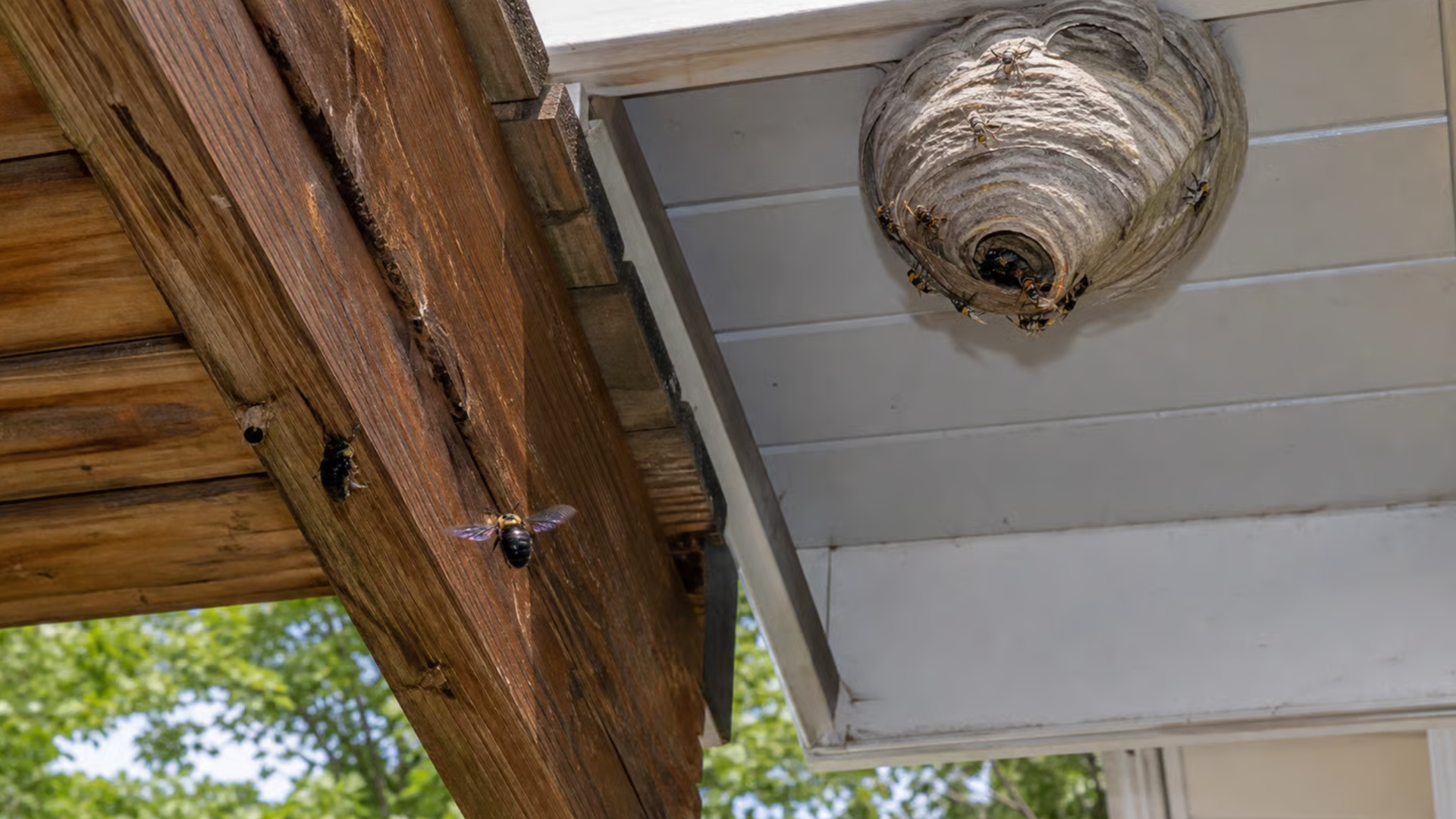
As temperatures rise across Suffolk County, Long Island homeowners start spending more time outdoors, but they're not the only ones enjoying the warmer weather. Carpenter bees, wasps, and hornets become increasingly active as spring transitions into summer, and understanding their behavior can help protect your family and property. Carpenter Bees: The Wood Boring Threat Carpenter bees might look similar to bumblebees, but their behavior is distinctly different and potentially damaging to your home. These large, black and yellow insects bore perfectly round holes into wooden structures like decks, eaves, and outdoor furniture. While they rarely sting, the structural damage they cause can be significant over time. The Pestify team frequently encounters carpenter bee activity in the wooden elements of Long Island homes, particularly those with untreated or weathered wood surfaces. These bees prefer soft woods like pine, cedar, and redwood, making many deck railings and outdoor structures prime targets. Female carpenter bees create tunnels that can extend several inches deep, and they often return to the same locations year after year, expanding existing galleries. What makes carpenter bee infestations particularly concerning is their tendency to attract woodpeckers, which create additional damage while trying to reach the bee larvae inside the tunnels. Pestify's experienced technicians assess both the immediate bee activity and the long-term structural implications when developing treatment plans. Wasps and Hornets: Aggressive Defenders Unlike carpenter bees, wasps and hornets pose a direct threat to human safety through their painful stings. As social insects, they build colonies that can house hundreds or even thousands of individuals, all willing to defend their nest aggressively when threatened. Paper wasps often build their umbrella-shaped nests under eaves, in attics, or within wall voids. Yellow jackets prefer ground nests or enclosed spaces like wall cavities, while hornets typically construct large, football-shaped nests in trees or under overhangs. The challenge for homeowners is that these nests aren't always visible, making accidental encounters more likely. Our team at Pestify understands that wasp and hornet removal requires specialized equipment and expertise. These insects can become extremely aggressive when their nest is disturbed, and their ability to sting multiple times makes DIY removal attempts dangerous. Professional treatment ensures complete colony elimination while protecting your family's safety. Why Professional Treatment Makes the Difference Many homeowners attempt to address these stinging insects with over-the-counter sprays or traps, but these approaches typically provide only temporary relief. Carpenter bees will continue returning to established nesting sites unless the area is properly treated and sealed. Partial wasp or hornet nest removal often results in surviving insects establishing new colonies nearby. Pestify's approach involves thorough inspection to locate all nesting sites, targeted treatment that eliminates entire colonies, and preventive measures to reduce future activity. The same familiar faces on our technician team return for follow-up treatments, ensuring continuity of care and the ability to monitor long-term results.  For carpenter bees, treatment includes both eliminating active insects and providing recommendations for wood protection and hole sealing. Wasp and hornet treatments focus on complete colony elimination during optimal timing when insects are present in the nest. Protecting Your Family This Season Early intervention is crucial when dealing with carpenter bees, wasps, and hornets. What starts as minor activity can quickly escalate into significant structural damage or safety concerns as colonies grow and establish themselves more permanently on your property. Don't let stinging insects take over your outdoor spaces this season. The Pestify team has the experience and tools necessary to eliminate these threats safely and effectively, allowing you to enjoy your Long Island home worry-free. Ready to reclaim your property from carpenter bees, wasps, and hornets? Contact Pestify at 631-681-5581 for your free first spray and comprehensive stinging insect treatment. Our experienced technicians serve Port Jefferson and throughout Suffolk County with the reliable, family-focused service you can trust.
June 12, 2026
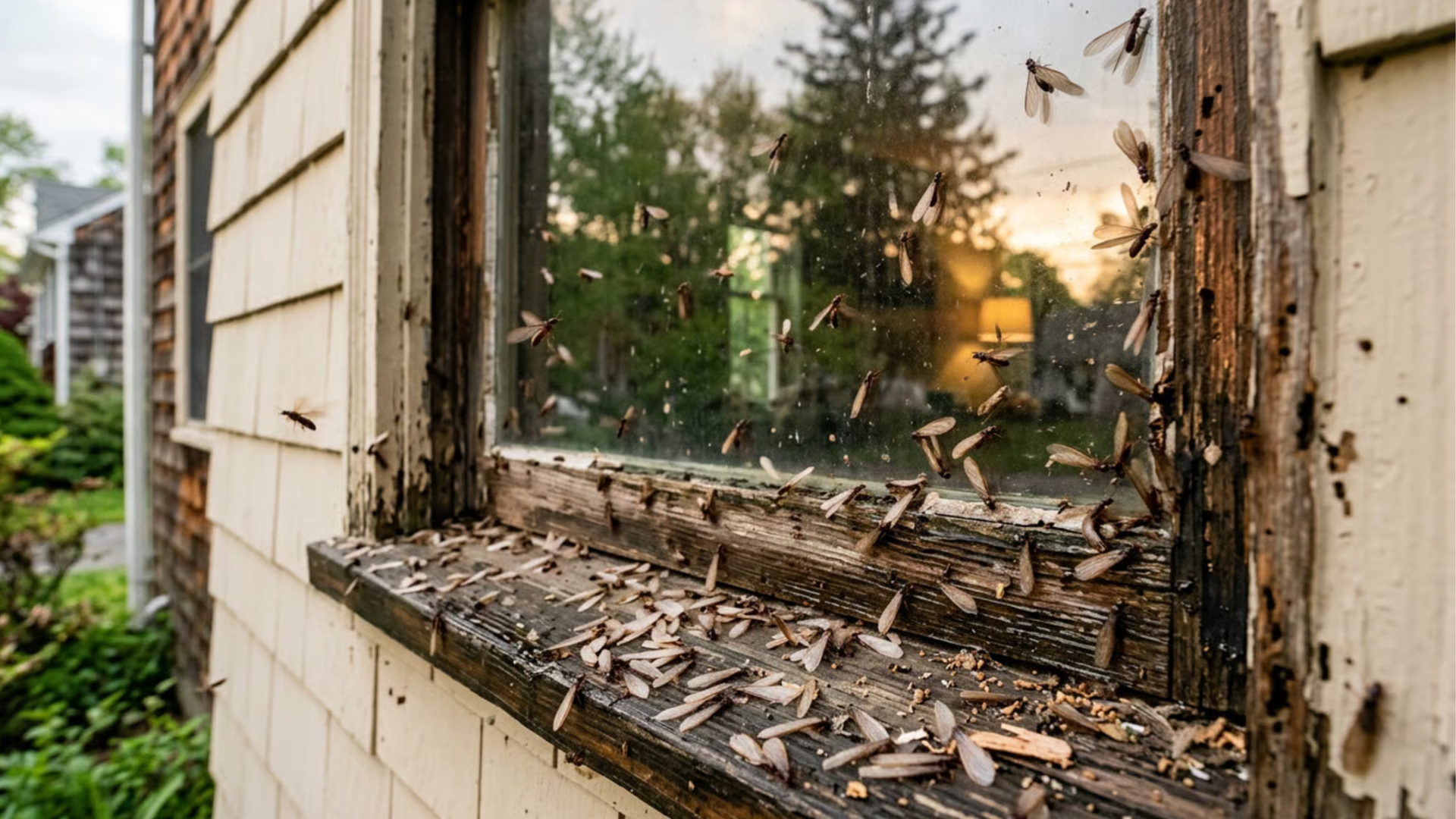
spring brings many wonderful things to Suffolk County... Blooming flowers, warmer weather, and unfortunately, termite swarms. As temperatures rise and moisture levels increase, termite colonies become active, and homeowners across Port Jefferson and Long Island need to be on high alert for signs of these destructive pests. Termite swarms are one of nature's most concerning springtime events for property owners. Unlike other seasonal pests that might be merely annoying, termites pose a serious threat to the structural integrity of your home. The Pestify team has seen firsthand the extensive damage these silent destroyers can cause when left unchecked, which is why early detection and professional treatment are crucial. Understanding Termite Swarm Season Termite swarm season typically occurs during warm, humid days in spring, often after rainfall. This is when mature termite colonies release winged reproductive termites, called alates, to establish new colonies. These swarms can appear suddenly and may last anywhere from 30 minutes to several hours. During this time, thousands of winged termites emerge from established colonies in search of suitable locations to start new infestations. If you spot a termite swarm around your property, it's a clear indication that an active colony is nearby, possibly already in your home's structure. The timing of termite swarms in Suffolk County usually coincides with the first warm, humid days of spring when soil temperatures reach around 70 degrees. This makes April through June the peak months for termite activity on Long Island, though swarms can occur as early as March or as late as July depending on weather conditions. Key Warning Signs of Termite Activity Beyond visible swarms, several warning signs indicate potential termite activity around your Suffolk County home. Discarded wings near windows, doors, or light fixtures are often the first clue homeowners notice. After swarming, termites shed their wings before burrowing into wood or soil. Mud tubes running along your foundation, basement walls, or crawl spaces are another telltale sign. Subterranean termites, the most common species in our area, build these pencil-thin tunnels to travel between their colony and food sources while staying protected from air and light. Wood damage is perhaps the most serious indicator, though it's often discovered too late. Hollow-sounding wood, sagging floors, or wood that crumbles when probed may indicate extensive termite damage. The Pestify team has encountered situations where homeowners discovered significant structural damage only after termites had been feeding on their home's framework for months or even years. Why DIY Termite Control Falls Short Many homeowners attempt to address termite concerns with store-bought treatments, but these solutions rarely provide adequate protection. Termite colonies can contain hundreds of thousands of individuals, with the queen living up to 25 years and continuously producing new members. Over-the-counter termite baits and sprays may kill some visible termites, but they don't address the root of the problem, the established colony. Professional termite control requires specialized equipment, targeted treatment methods, and ongoing monitoring to ensure complete elimination. Our team at Pestify uses proven treatment methods that create protective barriers around your property while targeting existing colonies. This comprehensive approach addresses both current infestations and prevents future termite activity, something DIY solutions simply cannot achieve. Professional Termite Protection for Long Island Homes Effective termite control requires thorough inspection, proper identification of termite species, and strategic treatment placement. The Pestify team conducts detailed property assessments to identify vulnerable areas, existing damage, and the most effective treatment approach for your specific situation. Our long-term technicians understand the unique challenges termites present in Suffolk County's climate and housing styles. They know where termites are most likely to enter Long Island homes and can spot early warning signs that untrained eyes might miss. Professional treatment typically involves applying liquid termiticides to create protective barriers around your home's perimeter and treating specific areas where termites are active. This approach provides long-lasting protection while addressing current infestations. Conclusion Termite swarm season serves as an annual reminder that these destructive pests are actively seeking new homes to infest throughout Suffolk County. While seeing a swarm near your property can be alarming, quick action and professional treatment can protect your home from serious structural damage. Don't let termites silently destroy your most valuable investment. If you've noticed any signs of termite activity around your Port Jefferson area home, contact Pestify at 631-681-5581 for a thorough inspection and customized treatment plan. Our experienced team will assess your property's risk factors and provide the professional protection your home deserves this termite season.
June 4, 2026
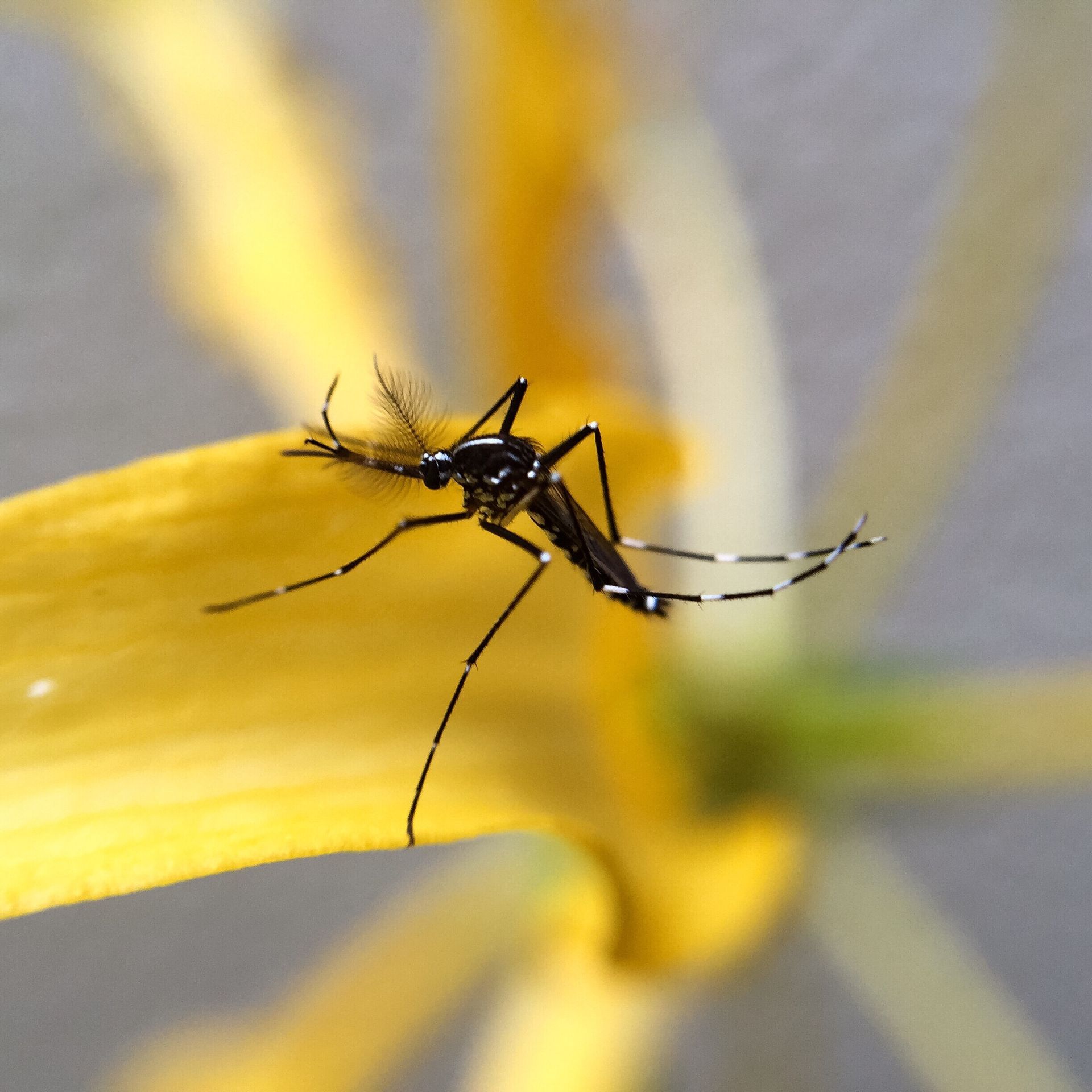
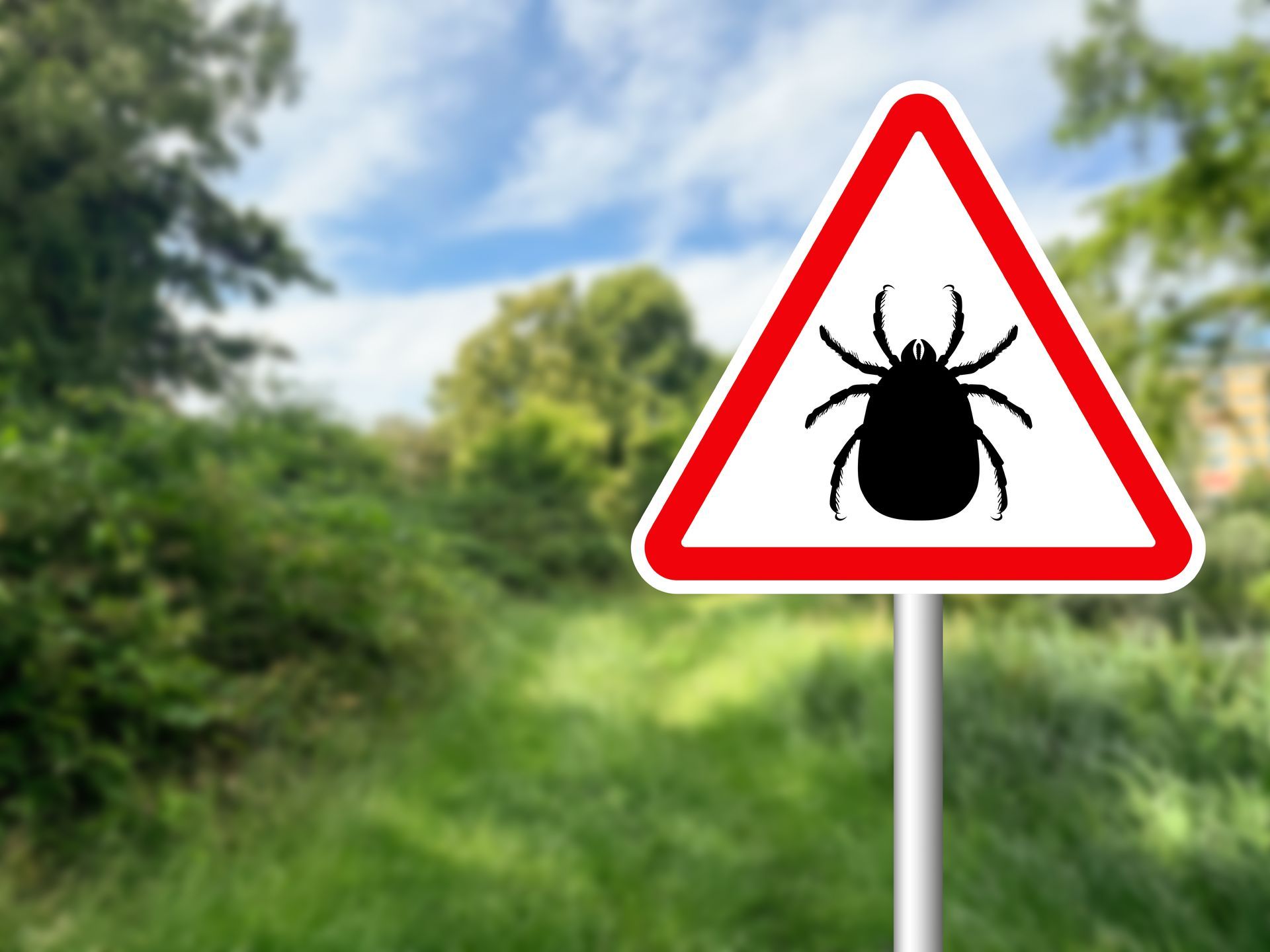
As the warm weather returns to Suffolk County, homeowners across Port Jefferson and Long Island eagerly head outdoors to enjoy their yards again. But May brings more than just blooming flowers and comfortable temperatures, it marks the peak of tick and mosquito season on Long Island. Understanding why these pests surge in May can help local families protect themselves and their properties. The Perfect Storm: Why May is Peak Season May creates ideal conditions for both ticks and mosquitoes to thrive across Long Island. After a dormant winter, warmer temperatures combined with spring rainfall create the perfect breeding environment. Ticks become most active when temperatures consistently reach 45-50 degrees, and May's mild days provide optimal hunting conditions for these disease-carrying pests. Mosquitoes follow a similar pattern, with females emerging from winter hibernation ready to lay eggs in standing water. The spring rains that Suffolk County typically receives in May create countless breeding sites, from clogged gutters to temporary puddles. A single mosquito can lay up to 300 eggs at a time, meaning small water sources can quickly become major problems. The Pestify team sees this surge every year in Port Jefferson and surrounding areas. May service calls consistently spike as homeowners discover tick activity in their yards and notice mosquito populations exploding around their properties. Long Islands Unique Tick and Mosquito Challenges Long Island's geographic location creates specific challenges for tick and mosquito control. The island's coastal climate, with its moderate temperatures and humidity, provides extended active seasons for these pests. Suffolk County's mix of wooded areas, wetlands, and residential properties creates ideal habitat corridors where ticks and mosquitoes can thrive and spread. Deer ticks, which carry Lyme disease, are particularly problematic on Long Island. These ticks prefer the edge areas where lawns meet wooded spaces, exactly the type of property boundaries common throughout Port Jefferson neighborhoods. Meanwhile, the Asian tiger mosquito, an aggressive daytime biter, has established populations across Suffolk County and remains active throughout the warmer months. The proximity to water sources, from the Long Island Sound to inland ponds and streams, provides endless breeding opportunities for mosquitoes. Even well-maintained properties can face invasions from neighboring untreated areas, making professional control essential for lasting protection. How Pestify Approach Delivers Long Term Protection Pestify's tick and mosquito control program addresses these challenges through targeted, science-based treatments designed specifically for Long Island conditions. The team focuses on treating the areas where these pests live and breed, rather than just responding to problems after they develop. For tick control, Pestify's technicians target the transition zones where ticks are most likely to encounter humans and pets. This includes treating along property edges, around outdoor living spaces, and in areas where children and pets spend time. The treatment schedule aligns with tick life cycles to disrupt their development and reduce populations throughout the active season. Mosquito control involves identifying and treating breeding sites while creating barrier protection around homes and outdoor spaces. Pestify's team inspects properties for standing water sources and provides recommendations for elimination, while applying targeted treatments to vegetation where adult mosquitoes rest during the day. The Pestify Difference: Consistent Care with Familiar Faces What sets Pestify apart is the consistency of service that Suffolk County families receive. Rather than sending different technicians on each visit, homeowners see the same familiar faces throughout the season. These long-term team members know each property's unique challenges and can adjust treatments based on ongoing observations and results. This approach means treatments become more effective over time as technicians learn the specific microclimates and problem areas on each property. They can spot early signs of pest pressure and make proactive adjustments before problems escalate. Protecting Your Family This Season May's peak tick and mosquito activity doesn't have to limit your family's outdoor enjoyment. Professional control programs provide the comprehensive protection needed to reclaim your yard and maintain it throughout the active season. Ready to protect your Port Jefferson property from tick and mosquito season? Contact Pestify at 631-681-5581 for your free first spray and discover how our dedicated team can keep your family safe all season long. Don't let peak season catch you unprepared. The time to act is now.
May 26, 2026
Spring's arrival in Suffolk County brings longer days, warmer temperatures, and unfortunately, an uptick in pest activity throughout Long Island homes. As the Pestify team prepares for the busy season ahead, homeowners across Port Jefferson and surrounding areas should know what to expect when pests emerge from their winter hiding spots. Understanding which pests become active during spring months helps Suffolk County residents take proactive steps to protect their homes and families. The Pestify team has identified the most problematic spring pests based on decades of experience serving Long Island communities. Ants: The Early Spring Invaders Ants top the list of spring pest concerns for Suffolk County homeowners. As soil temperatures warm, ant colonies become active and begin their search for food sources. The most common species our team encounters include pavement ants, carpenter ants, and odorous house ants. These persistent insects follow scent trails and can quickly establish highways between outdoor nests and indoor food sources. Kitchen crumbs, pet food, and even minor moisture issues attract ant scouts, who then signal the entire colony. Once established, ant problems require professional intervention to eliminate both the visible workers and the hidden colony structure. The Pestify team uses targeted treatments that address ant activity at its source, preventing the recurring infestations that frustrate homeowners who rely solely on store-bought sprays. Mice and Rats: Year-Round Concerns That Peak in Spring While rodents remain active throughout winter, spring brings increased breeding activity and territorial expansion. Mice and rats that sheltered in wall voids, basements, and attics during cold months begin exploring new areas as they establish nesting sites for growing populations. Suffolk County's mix of suburban and rural properties provides ideal rodent habitat, with easy access to food, water, and shelter. Our team regularly finds evidence of rodent activity in garages, storage areas, and along foundation perimeters where small openings provide entry points. Effective rodent control requires more than traps placed around the house. The Pestify approach includes identifying and sealing entry points, eliminating attractants, and implementing monitoring systems that prevent small problems from becoming major infestations. Wasps and Hornets: Preparing for Summer Activity Spring marks the beginning of wasp and hornet season across Long Island. Queen wasps emerge from winter hibernation and begin establishing new colonies in protected areas around homes. Common nesting sites include eaves, shed corners, deck railings, and landscaped areas. Early spring presents the ideal time for wasp prevention, before colonies grow to their peak summer populations. A single queen wasp discovered in April can produce hundreds of aggressive workers by July, creating dangerous situations for families with children or individuals with sting allergies. Our team recommends early season inspections to identify potential nesting sites and implement preventive treatments before wasp colonies become established. This proactive approach eliminates the need for more complex and expensive treatments later in the season. Ticks: The Hidden Spring Danger Suffolk County's wooded areas and mild spring temperatures create perfect conditions for tick activity. Deer ticks, lone star ticks, and dog ticks become active as soon as temperatures consistently reach the mid-40s, often while homeowners still consider it "too cold" for pest season. Ticks pose serious health risks, transmitting Lyme disease, Rocky Mountain spotted fever, and other dangerous illnesses. Unlike other pests that simply create nuisance problems, ticks represent genuine health threats that require immediate attention. The Pestify team implements comprehensive tick control programs that target both adult ticks and developing populations in lawn and landscaped areas. Regular treatments throughout the active season provide ongoing protection for families who want to enjoy their outdoor spaces safely. Professional Spring Pest Prevention Spring pest problems develop quickly, and DIY approaches often provide temporary relief rather than lasting solutions. The most common pests found in Suffolk County homes require different treatment strategies, and successful pest management depends on identifying and addressing the specific conditions that attract each species. The Pestify team's long-term technicians understand local pest patterns and implement customized treatment plans based on individual property conditions and pest pressure. This targeted approach provides more effective results than generic treatments applied without consideration for specific pest biology and behavior.  Ready to protect your Suffolk County home from spring pest invasions? The Pestify team offers residential customers a free first spray to experience professional pest control results. Contact our Port Jefferson office at 631-681-5581 or visit pestifyli.com to schedule your spring pest prevention service and enjoy a pest-free season ahead.
May 20, 2026
When most Long Island homeowners think about pest control, they picture calling for help when they spot a problem. But here's what the Pestify team has learned after years of protecting Suffolk County properties: the best pest control happens before you ever see a single unwanted visitor. The Problem with Reactive Pest Control Waiting until you see ants marching across your kitchen counter or mice droppings in your pantry means pests have already established themselves in your home. By that point, what looks like a small problem on the surface often reveals a much larger infestation behind the scenes. The Pestify team regularly encounters situations where homeowners thought they had "just a few ants" only to discover extensive colonies throughout their walls. Pests are experts at staying hidden while they multiply, which is why reactive treatments often require multiple visits and more intensive solutions. How Preventive Treatment Creates a Protective Barrier Year-round pest control works by creating an invisible barrier around your property that stops pests before they can establish themselves inside your home. Our team applies targeted treatments to the areas where pests typically enter: foundation lines, door frames, window sills, and other common entry points. This proactive approach means pests encounter the treatment before they ever make it inside. Instead of dealing with an active infestation, you're preventing one from starting. The result? Fewer pest sightings, less stress, and significantly lower treatment costs over time. Pestify's licensed technicians understand the seasonal patterns of Long Island pests. They know when carpenter ants start their spring activity, when mosquitoes peak in summer, and when rodents begin seeking shelter for winter. This knowledge allows our team to adjust treatments throughout the year, staying one step ahead of pest activity. The True Cost of Skipping Regular Service Many homeowners hesitate to invest in regular pest control, viewing it as an unnecessary expense. But consider the real costs of pest problems: property damage from carpenter ants or termites, health risks from disease-carrying rodents, ruined food supplies, and the stress of dealing with unwanted invaders in your living space. Emergency pest treatments typically cost significantly more than preventive service. Plus, established infestations often require multiple follow-up visits to fully resolve, adding to both the financial burden and the inconvenience of having strangers repeatedly entering your home. Why Consistency Matters with Your Technician Team One of the biggest advantages of year-round service with Pestify is consistency. Our customers see the same familiar faces at every visit — no rotating strangers or subcontractors. This means your technician learns your property's unique challenges and can spot potential issues before they become problems. When you work with the same dedicated technician over time, they develop an understanding of your home's pest pressure points. They know where mice tried to enter last fall, which areas attract ants in spring, and how your property's landscape affects pest activity. This knowledge makes every treatment more effective. The Long Island Advantage: Local Expertise Suffolk County's unique climate and geography create specific pest challenges that require local knowledge. The Pestify team understands how Long Island's coastal humidity affects pest activity, which species are most problematic in Port Jefferson area homes, and how seasonal weather patterns influence pest behavior. This local expertise means more targeted treatments and better results. Instead of generic approaches, you get pest control specifically designed for Long Island conditions and the pests that actually threaten your property. Your Home Deserves Proactive Protection Year-round pest control isn't just about killing bugs. It's about protecting your investment, your family's health, and your peace of mind. When you stay ahead of pest problems instead of chasing them, you enjoy a more comfortable home environment and avoid the stress of dealing with infestations. Ready to stop worrying about pests and start preventing them? The Pestify team is here to create a customized year-round protection plan for your Suffolk County home. Call 631-681-5581 to schedule your free first residential spray and discover how proactive pest control can transform your home's comfort and security.
More Posts