Blog

May 26, 2026
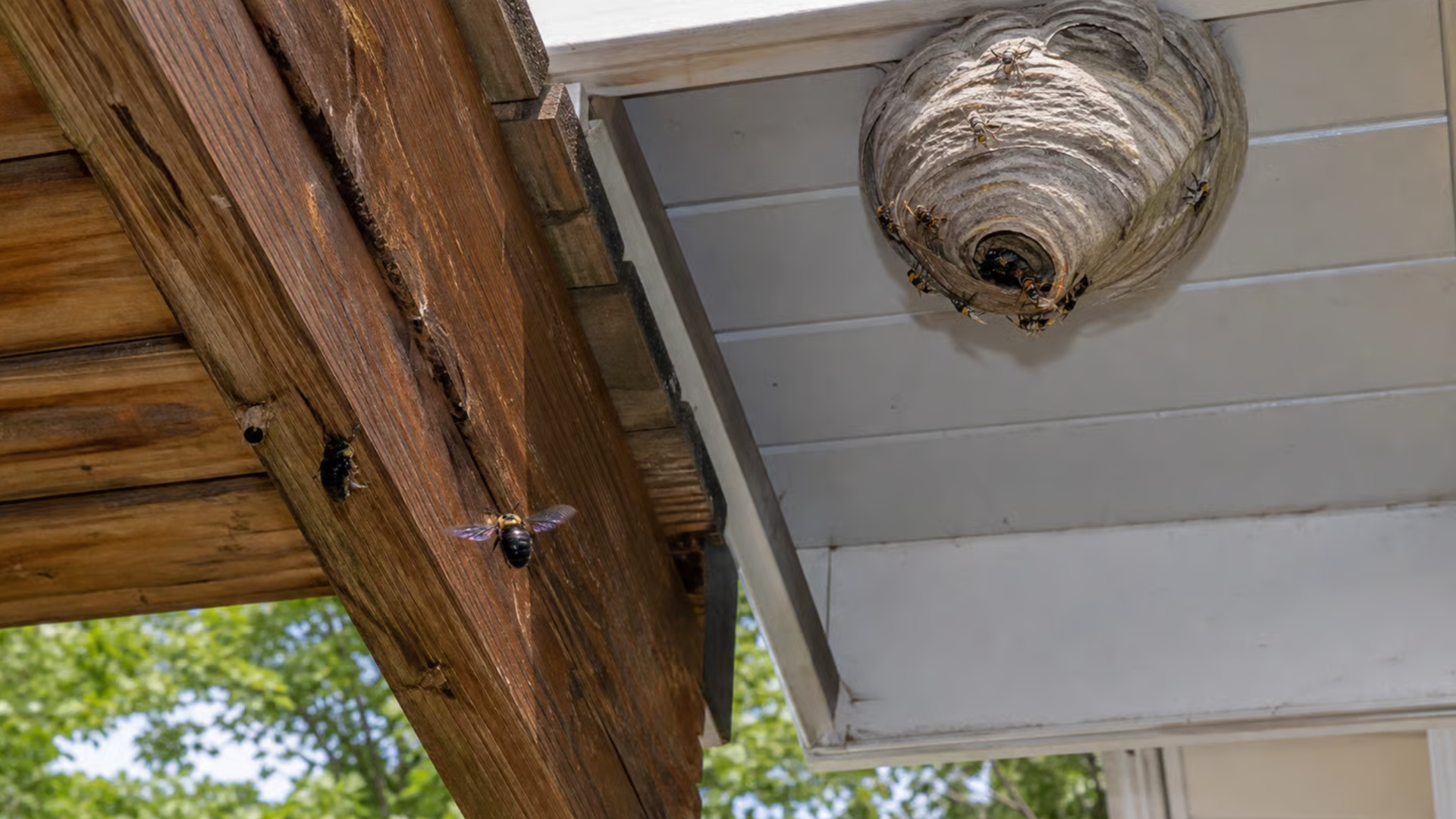
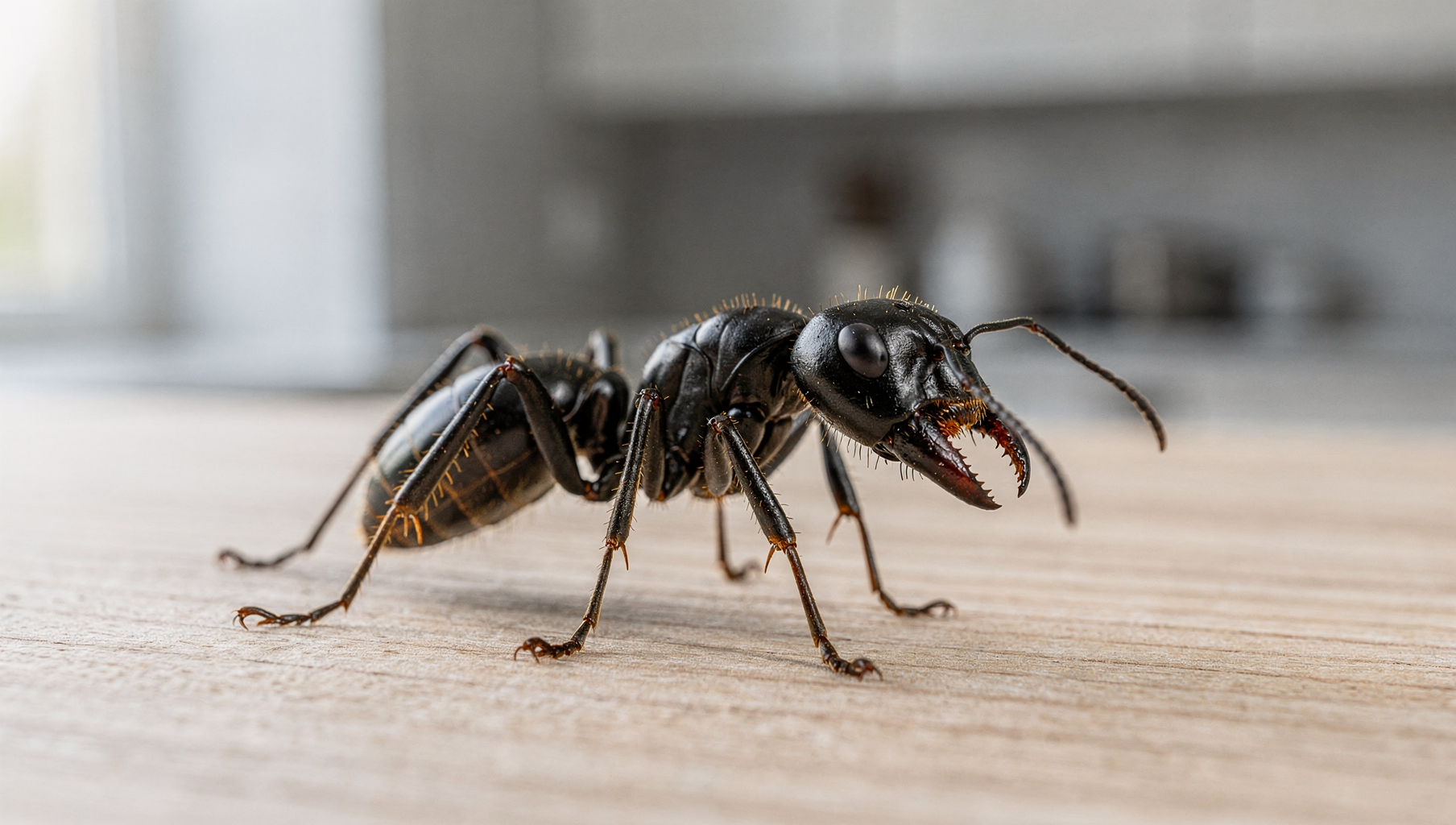
Spring's arrival in Suffolk County brings longer days, warmer temperatures, and unfortunately, an uptick in pest activity throughout Long Island homes. As the Pestify team prepares for the busy season ahead, homeowners across Port Jefferson and surrounding areas should know what to expect when pests emerge from their winter hiding spots. Understanding which pests become active during spring months helps Suffolk County residents take proactive steps to protect their homes and families. The Pestify team has identified the most problematic spring pests based on decades of experience serving Long Island communities. Ants: The Early Spring Invaders Ants top the list of spring pest concerns for Suffolk County homeowners. As soil temperatures warm, ant colonies become active and begin their search for food sources. The most common species our team encounters include pavement ants, carpenter ants, and odorous house ants. These persistent insects follow scent trails and can quickly establish highways between outdoor nests and indoor food sources. Kitchen crumbs, pet food, and even minor moisture issues attract ant scouts, who then signal the entire colony. Once established, ant problems require professional intervention to eliminate both the visible workers and the hidden colony structure. The Pestify team uses targeted treatments that address ant activity at its source, preventing the recurring infestations that frustrate homeowners who rely solely on store-bought sprays. Mice and Rats: Year-Round Concerns That Peak in Spring While rodents remain active throughout winter, spring brings increased breeding activity and territorial expansion. Mice and rats that sheltered in wall voids, basements, and attics during cold months begin exploring new areas as they establish nesting sites for growing populations. Suffolk County's mix of suburban and rural properties provides ideal rodent habitat, with easy access to food, water, and shelter. Our team regularly finds evidence of rodent activity in garages, storage areas, and along foundation perimeters where small openings provide entry points. Effective rodent control requires more than traps placed around the house. The Pestify approach includes identifying and sealing entry points, eliminating attractants, and implementing monitoring systems that prevent small problems from becoming major infestations. Wasps and Hornets: Preparing for Summer Activity Spring marks the beginning of wasp and hornet season across Long Island. Queen wasps emerge from winter hibernation and begin establishing new colonies in protected areas around homes. Common nesting sites include eaves, shed corners, deck railings, and landscaped areas. Early spring presents the ideal time for wasp prevention, before colonies grow to their peak summer populations. A single queen wasp discovered in April can produce hundreds of aggressive workers by July, creating dangerous situations for families with children or individuals with sting allergies. Our team recommends early season inspections to identify potential nesting sites and implement preventive treatments before wasp colonies become established. This proactive approach eliminates the need for more complex and expensive treatments later in the season. Ticks: The Hidden Spring Danger Suffolk County's wooded areas and mild spring temperatures create perfect conditions for tick activity. Deer ticks, lone star ticks, and dog ticks become active as soon as temperatures consistently reach the mid-40s, often while homeowners still consider it "too cold" for pest season. Ticks pose serious health risks, transmitting Lyme disease, Rocky Mountain spotted fever, and other dangerous illnesses. Unlike other pests that simply create nuisance problems, ticks represent genuine health threats that require immediate attention. The Pestify team implements comprehensive tick control programs that target both adult ticks and developing populations in lawn and landscaped areas. Regular treatments throughout the active season provide ongoing protection for families who want to enjoy their outdoor spaces safely. Professional Spring Pest Prevention Spring pest problems develop quickly, and DIY approaches often provide temporary relief rather than lasting solutions. The most common pests found in Suffolk County homes require different treatment strategies, and successful pest management depends on identifying and addressing the specific conditions that attract each species. The Pestify team's long-term technicians understand local pest patterns and implement customized treatment plans based on individual property conditions and pest pressure. This targeted approach provides more effective results than generic treatments applied without consideration for specific pest biology and behavior.  Ready to protect your Suffolk County home from spring pest invasions? The Pestify team offers residential customers a free first spray to experience professional pest control results. Contact our Port Jefferson office at 631-681-5581 or visit pestifyli.com to schedule your spring pest prevention service and enjoy a pest-free season ahead.
May 20, 2026
When most Long Island homeowners think about pest control, they picture calling for help when they spot a problem. But here's what the Pestify team has learned after years of protecting Suffolk County properties: the best pest control happens before you ever see a single unwanted visitor. The Problem with Reactive Pest Control Waiting until you see ants marching across your kitchen counter or mice droppings in your pantry means pests have already established themselves in your home. By that point, what looks like a small problem on the surface often reveals a much larger infestation behind the scenes. The Pestify team regularly encounters situations where homeowners thought they had "just a few ants" only to discover extensive colonies throughout their walls. Pests are experts at staying hidden while they multiply, which is why reactive treatments often require multiple visits and more intensive solutions. How Preventive Treatment Creates a Protective Barrier Year-round pest control works by creating an invisible barrier around your property that stops pests before they can establish themselves inside your home. Our team applies targeted treatments to the areas where pests typically enter: foundation lines, door frames, window sills, and other common entry points. This proactive approach means pests encounter the treatment before they ever make it inside. Instead of dealing with an active infestation, you're preventing one from starting. The result? Fewer pest sightings, less stress, and significantly lower treatment costs over time. Pestify's licensed technicians understand the seasonal patterns of Long Island pests. They know when carpenter ants start their spring activity, when mosquitoes peak in summer, and when rodents begin seeking shelter for winter. This knowledge allows our team to adjust treatments throughout the year, staying one step ahead of pest activity. The True Cost of Skipping Regular Service Many homeowners hesitate to invest in regular pest control, viewing it as an unnecessary expense. But consider the real costs of pest problems: property damage from carpenter ants or termites, health risks from disease-carrying rodents, ruined food supplies, and the stress of dealing with unwanted invaders in your living space. Emergency pest treatments typically cost significantly more than preventive service. Plus, established infestations often require multiple follow-up visits to fully resolve, adding to both the financial burden and the inconvenience of having strangers repeatedly entering your home. Why Consistency Matters with Your Technician Team One of the biggest advantages of year-round service with Pestify is consistency. Our customers see the same familiar faces at every visit — no rotating strangers or subcontractors. This means your technician learns your property's unique challenges and can spot potential issues before they become problems. When you work with the same dedicated technician over time, they develop an understanding of your home's pest pressure points. They know where mice tried to enter last fall, which areas attract ants in spring, and how your property's landscape affects pest activity. This knowledge makes every treatment more effective. The Long Island Advantage: Local Expertise Suffolk County's unique climate and geography create specific pest challenges that require local knowledge. The Pestify team understands how Long Island's coastal humidity affects pest activity, which species are most problematic in Port Jefferson area homes, and how seasonal weather patterns influence pest behavior. This local expertise means more targeted treatments and better results. Instead of generic approaches, you get pest control specifically designed for Long Island conditions and the pests that actually threaten your property. Your Home Deserves Proactive Protection Year-round pest control isn't just about killing bugs. It's about protecting your investment, your family's health, and your peace of mind. When you stay ahead of pest problems instead of chasing them, you enjoy a more comfortable home environment and avoid the stress of dealing with infestations. Ready to stop worrying about pests and start preventing them? The Pestify team is here to create a customized year-round protection plan for your Suffolk County home. Call 631-681-5581 to schedule your free first residential spray and discover how proactive pest control can transform your home's comfort and security.

May 15, 2026
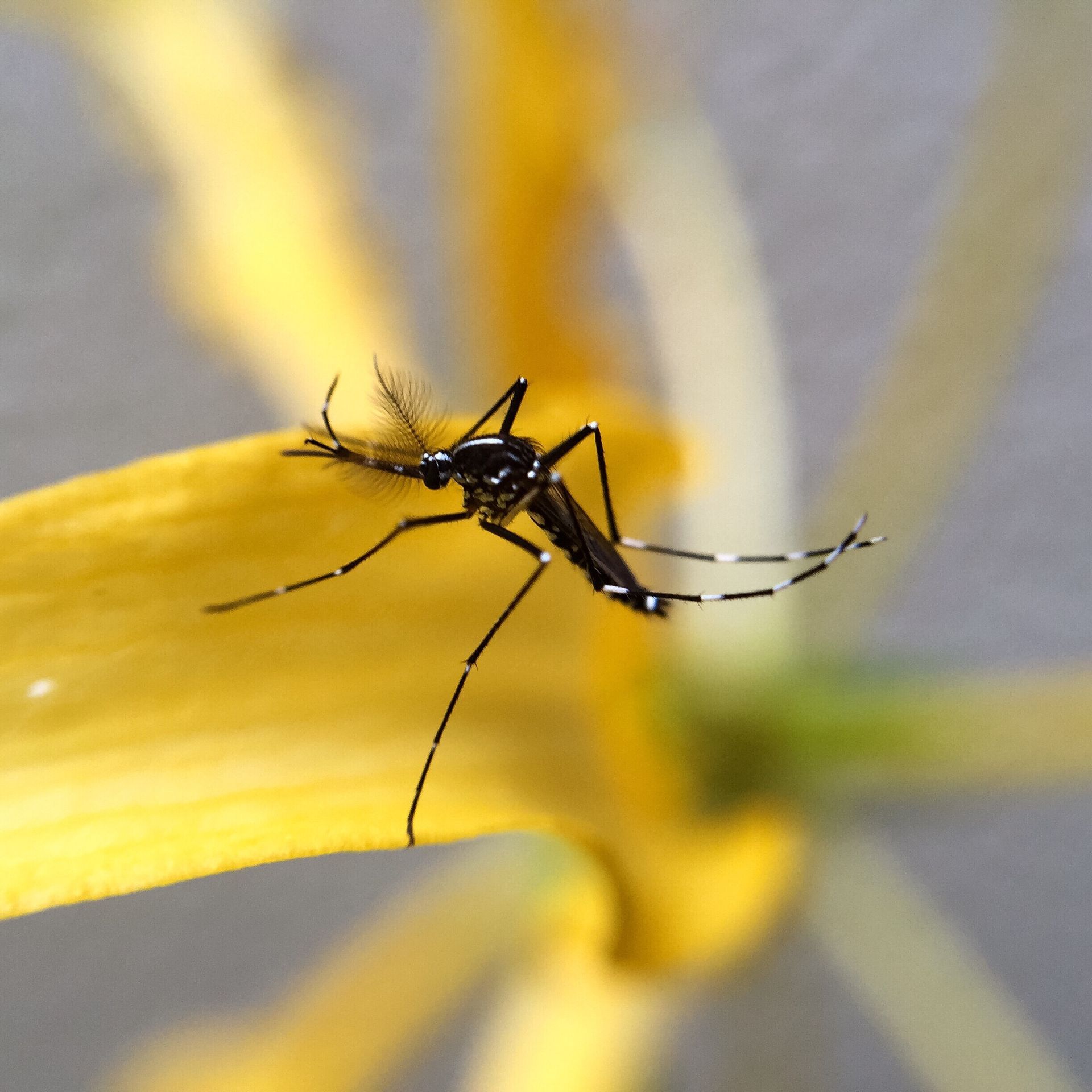
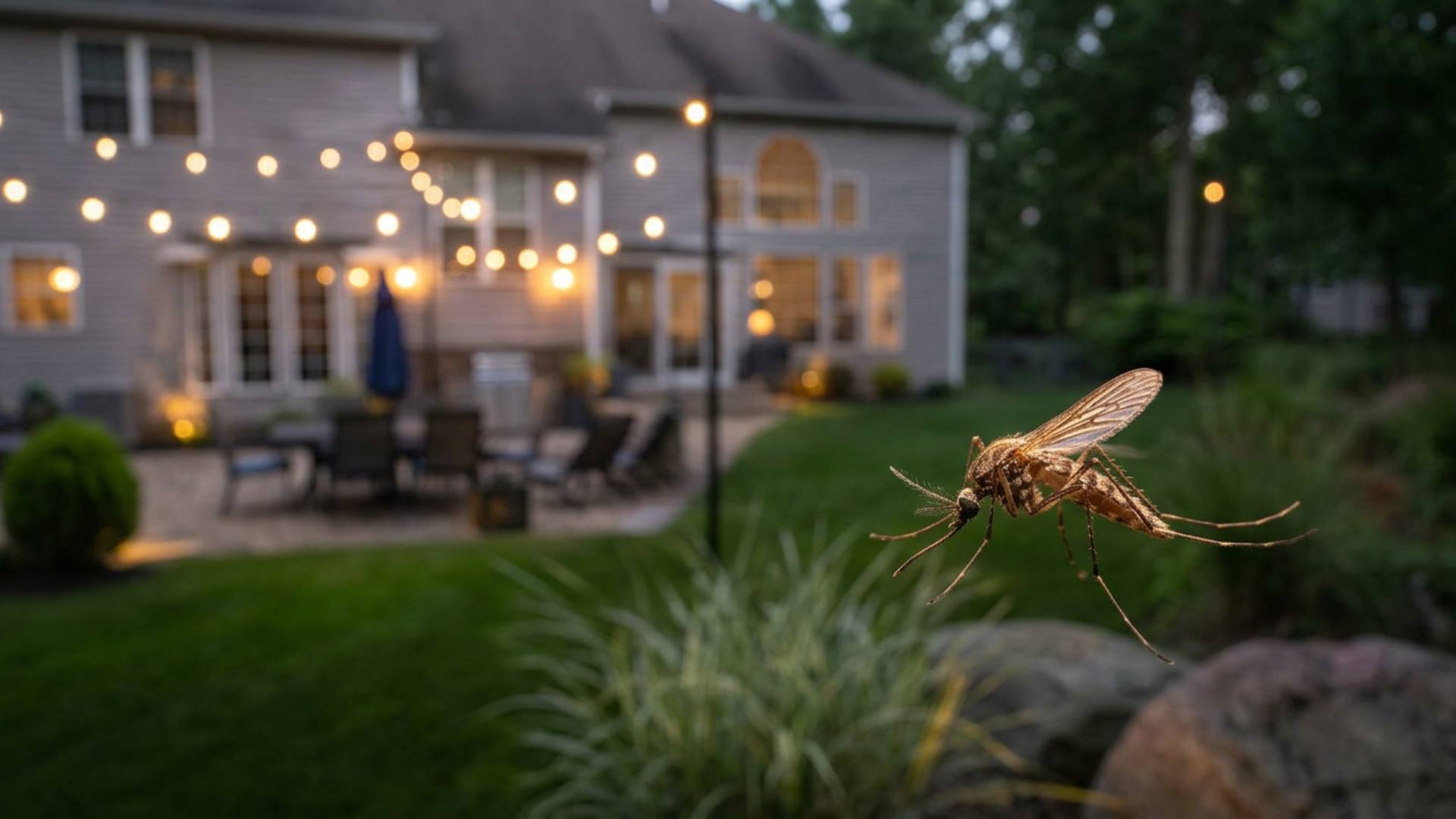
Spring has arrived on Long Island, and while warmer weather brings outdoor barbecues and backyard gatherings, it also signals the return of two unwelcome guests: mosquitoes and ticks. For Suffolk County homeowners, May marks the beginning of peak mosquito and tick season, making now the perfect time to take proactive steps to protect your property and family.  Understanding Long Island's Mosquito and Tick Activity Mosquitoes and ticks thrive in Long Island's humid climate and wooded areas. As temperatures consistently reach above 50 degrees, these pests become increasingly active. Mosquitoes begin breeding in standing water, while ticks emerge from their winter hiding spots to seek their first blood meal of the season. The Pestify team sees this pattern every year across Port Jefferson and surrounding Suffolk County areas. May through October represents the most critical period for mosquito and tick control, with populations peaking during the warm summer months. Understanding this timeline allows homeowners to implement protective measures before infestations become overwhelming. Creating an Effective Mosquito Control Strategy Effective mosquito control requires addressing both breeding sites and adult populations. Standing water serves as the primary breeding ground for mosquitoes, so eliminating these sources becomes the first line of defense. Check your property for water collection points including clogged gutters, flower pot saucers, birdbaths, and any containers that hold rainwater. Professional mosquito control treatments target adult mosquitoes in their resting areas, such as dense vegetation, under decks, and in shaded landscape areas. Pestify's mosquito treatment approach focuses on these harborage areas while using environmentally responsible products that protect beneficial insects like bees and butterflies. Regular treatments throughout the season maintain population control and provide lasting protection for outdoor activities. Comprehensive Tick Prevention for Your Property Ticks present unique challenges because they can transmit serious diseases like Lyme disease and Rocky Mountain spotted fever. These pests prefer tall grass, leaf litter, and wooded edges where they wait for hosts to pass by. Property maintenance plays a crucial role in tick control, including keeping grass short, removing leaf debris, and creating barriers between wooded areas and recreational spaces. Professional tick control treatments target these high-risk areas with specialized products designed to eliminate ticks at all life stages. The Pestify team applies treatments to property perimeters, tall grass areas, and transition zones between lawn and landscape beds. This comprehensive approach significantly reduces tick populations and creates safer outdoor spaces for families and pets. The Importance of Professional Treatment Programs While DIY sprays and home remedies might provide temporary relief, professional treatment programs offer comprehensive, long-term protection. Licensed technicians understand pest behavior, breeding cycles, and the most effective treatment timing. Pestify's mosquito and tick control program includes regular applications throughout the season, ensuring consistent protection when these pests are most active. Professional treatments also address areas homeowners typically miss, such as dense vegetation, property perimeters, and hard-to-reach harborage sites. The Pestify team's long-term technicians become familiar with each property's unique challenges, allowing them to customize treatments for maximum effectiveness. This personalized approach ensures better results than one-size-fits-all solutions. Protecting Your Family's Outdoor Experience Effective mosquito and tick control transforms your backyard from a pest-filled frustration into a comfortable outdoor living space. Families can enjoy evening barbecues, children can play safely in the yard, and outdoor entertaining becomes stress-free when these biting pests are properly managed. Professional control programs also provide peace of mind regarding disease transmission risks. With proper treatment, homeowners can focus on enjoying their outdoor spaces rather than worrying about mosquito-borne illnesses or tick-related diseases affecting their loved ones. Conclusion May's arrival on Long Island means mosquito and tick season is here, but proactive protection keeps these pests from taking over your outdoor spaces. Professional treatment programs provide comprehensive control that DIY methods simply cannot match, ensuring your family can safely enjoy your property throughout the warm weather months. Don't let mosquitoes and ticks ruin your summer outdoor plans. Contact Pestify at 631-681-5581 to schedule your seasonal mosquito and tick control program. Our experienced team of licensed technicians will protect your Port Jefferson area property with customized treatments designed for Long Island's unique pest challenges. Take advantage of our free first spray for residential customers and reclaim your yard today.
May 7, 2026
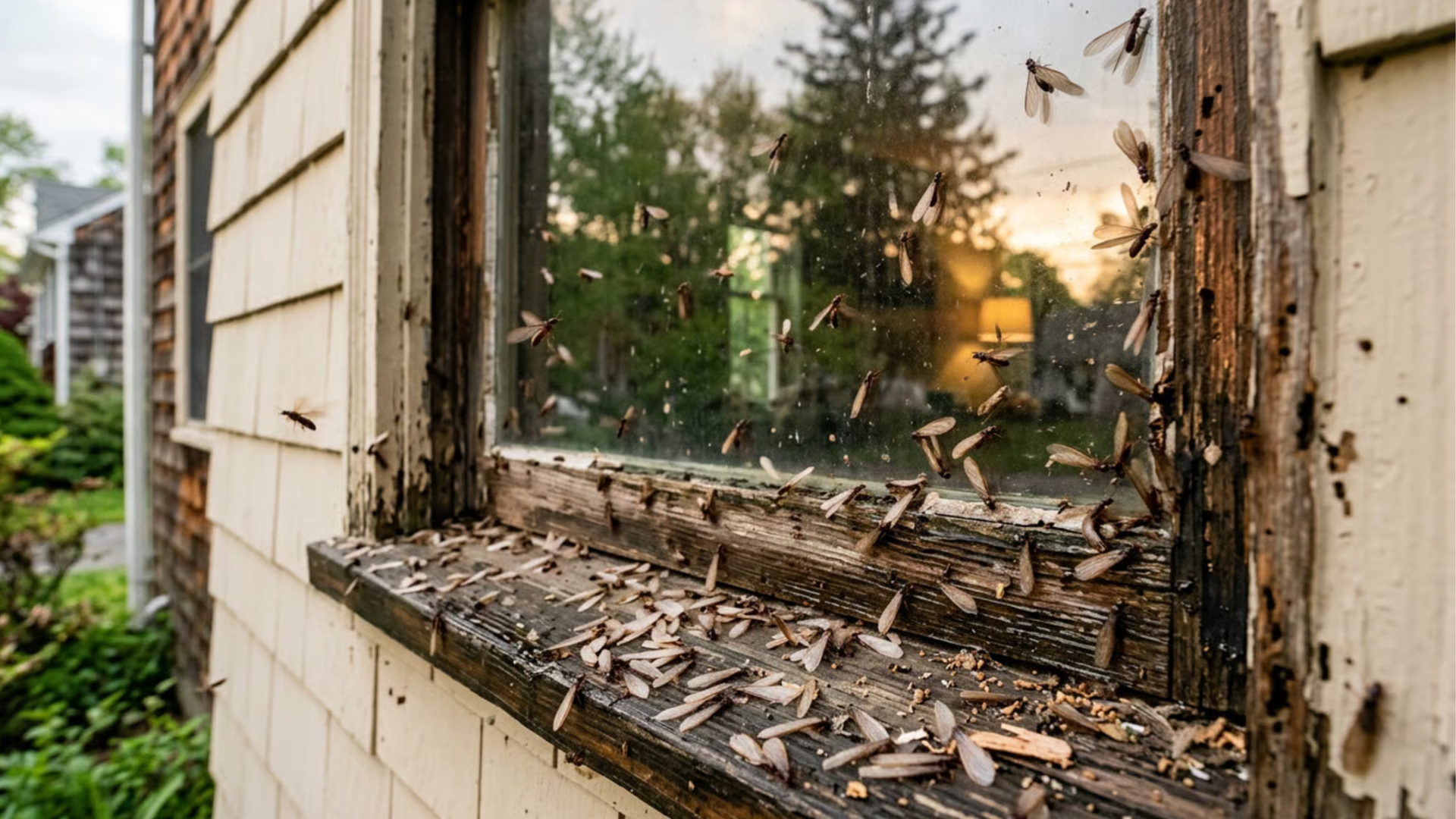
Spring on Long Island brings more than just blooming flowers and warmer weather. It also marks the beginning of termite swarming season. For homeowners in Suffolk County, this seasonal transition represents the most critical time of year to schedule a professional termite inspection. Understanding why termites become active in spring and what signs to watch for can mean the difference between catching an infestation early and dealing with costly structural damage. Termite Swarming Season Begins in Spring As temperatures consistently reach 70 degrees and humidity levels rise, termite colonies across Long Island begin their reproductive cycle. Winged termites, called swarmers or alates, emerge from established colonies to mate and establish new colonies. This typically occurs from late April through early June, making spring the most visible time to spot termite activity around your property. The Pestify team regularly encounters homeowners who discover winged termites around windows, doors, or light sources during spring months. These swarmers are often the first sign that a mature termite colony exists either on your property or nearby. While finding swarmers doesn't necessarily mean your home is infested, it's a clear indication that termites are active in your area and that a professional inspection is warranted. Why Early Detection Matters Termites cause billions of dollars in property damage across the United States each year, and Long Island homes are particularly vulnerable due to our climate and construction styles. Unlike other pests that announce their presence, termites work silently within wall cavities, floor joists, and foundation areas for months or even years before homeowners notice obvious signs of damage. Spring termite inspections allow the Pestify team to identify potential issues before they become major problems. Our licensed technicians use specialized equipment to detect moisture levels, hollow-sounding wood, and other indicators of termite activity that aren't visible to untrained eyes. Catching an infestation in its early stages can save homeowners thousands of dollars in repair costs and prevent structural integrity issues. What Pestify's Termite Inspection Process Includes During a comprehensive termite inspection, our experienced technicians examine both the interior and exterior of your home, paying special attention to areas where termites commonly enter. This includes foundation walls, crawl spaces, basements, wooden deck attachments, and areas where wood comes into contact with soil. The inspection covers potential moisture issues that attract termites, such as leaking pipes, poor drainage around the foundation, and areas where gutters may be directing water too close to the structure. Our team also looks for mud tubes along foundation walls, damaged wood that sounds hollow when tapped, and discarded termite wings near entry points. Following the inspection, homeowners receive a detailed report outlining any findings and recommendations for treatment or prevention. If termite activity is discovered, the Pestify team develops a customized treatment plan designed to eliminate the existing colony and protect against future infestations. Signs Every Long Island Homeowner Should Watch For Beyond the obvious presence of swarming termites in spring, several other signs indicate potential termite activity around your property. Mud tubes along foundation walls or in crawl spaces are one of the most common indicators that subterranean termites have established access routes to wooden structures. Damaged or hollow-sounding wood, particularly around windows, doors, and foundation areas, suggests that termites may have been feeding on structural elements. Small piles of what appears to be sawdust near wooden structures could actually be termite droppings, indicating drywood termite activity. Homeowners should also be alert to doors and windows that suddenly become difficult to open or close, as termite damage can cause wood to warp. Paint that appears to be bubbling or peeling without an obvious moisture source may be hiding termite galleries beneath the surface. Protecting Your Long Island Investment Your home represents one of your largest investments, and protecting it from termite damage requires proactive measures rather than reactive responses. Spring termite inspections provide the foundation for effective termite management, allowing property owners to address issues before they compromise structural integrity. The Pestify team understands that dealing with potential termite issues can feel overwhelming, but early detection and professional treatment provide the best outcomes for homeowners. Our long-term technicians build relationships with clients, ensuring that the same familiar faces handle your termite prevention needs year after year. Don't wait until termite damage becomes visible to schedule an inspection. Spring's arrival signals the perfect time to take proactive steps in protecting your Long Island home from these destructive pests. Contact Pestify Pest Control at 631-681-5581 to schedule your spring termite inspection. Our experienced team of licensed technicians will provide a thorough evaluation of your property and recommendations for keeping your home termite-free. Visit pestifyli.com to learn more about our comprehensive termite protection services.
Brown mouse on a tiled kitchen floor with a trap in the background
April 29, 2026
As temperatures begin to rise across Port Jefferson and surrounding Suffolk County communities, homeowners start opening windows, preparing gardens, and spending more time outdoors. But spring doesn't just bring warmer weather — it also signals increased activity for one of Long Island’s most persistent household pests: rodents. Mice and rats become particularly active during seasonal transitions as they search for food sources, nesting areas, and new territory. Unfortunately, many Suffolk County homes provide exactly the kind of shelter rodents are looking for. Rodents aren't just an inconvenience. They can cause significant structural damage, contaminate food, and carry diseases that pose risks to your family and pets. The key to protecting your Port Jefferson property is early prevention and professional rodent control before small problems turn into full infestations. Why Suffolk County Homes Attract Rodents Long Island’s suburban environment creates ideal conditions for rodents. The combination of residential neighborhoods, wooded areas, and abundant food sources allows mouse and rat populations to thrive throughout Suffolk County. Port Jefferson homes often sit near wooded spaces, parks, and coastal environments where rodents naturally live. As outdoor temperatures shift in spring, rodents frequently expand their territory and begin exploring nearby homes. Common factors that attract rodents to Suffolk County properties include: Accessible food sources such as pet food, garbage, or bird feeders Dense landscaping and shrubs near foundations Firewood piles or yard debris near the home Small openings around doors, windows, and utility lines Garages, basements, and crawl spaces that provide warmth and shelter Even a gap as small as a dime can allow a mouse to enter your home. Once inside, rodents reproduce quickly, making early prevention critical. Signs of a Rodent Problem in Your Home Many homeowners don’t notice rodents until the infestation has already grown. Recognizing the early warning signs can help prevent extensive damage. Common indicators of rodent activity include: Droppings Small, dark droppings are often found in cabinets, pantries, basements, or along baseboards. Scratching or movement sounds Rodents are typically most active at night. Scratching or rustling noises in walls or ceilings can indicate nesting activity. Gnaw marks Rodents constantly chew to keep their teeth from overgrowing. They may chew on wood, plastic, wiring, or insulation. Nesting materials Shredded paper, fabric, insulation, or plant material may be used to build nests in hidden areas. Grease marks or tracks Rats and mice often travel along the same routes repeatedly, leaving dark smudge marks on walls or floors. If you notice any of these signs in your Port Jefferson home, professional inspection is strongly recommended before the problem escalates. The Risks Rodents Pose to Suffolk County Homes Rodents can cause far more damage than many homeowners realize. In addition to contaminating food and surfaces, they can create serious structural and health hazards. Rodents are known to spread diseases such as: Salmonella Hantavirus Leptospirosis Rat-bite fever They also frequently chew electrical wiring, which increases the risk of house fires. Insulation, drywall, and stored belongings may also be damaged as rodents build nests and expand their living spaces. Because rodents reproduce rapidly — a single pair of mice can produce dozens of offspring in a year — what begins as a minor issue can quickly become a widespread infestation. Preventing Rodents Around Your Property The most effective rodent control strategy focuses on prevention and exclusion. By making your property less attractive and sealing potential entry points, you can significantly reduce the risk of infestation. Here are some steps Suffolk County homeowners can take: Seal entry points Inspect your home for cracks or gaps around foundations, doors, windows, and utility lines. Seal openings using durable materials like steel wool and caulk. Store food securely Keep pantry foods sealed in airtight containers and avoid leaving pet food out overnight. Manage garbage properly Use sealed trash containers and keep garbage areas clean and away from entry points. Maintain landscaping Trim shrubs and vegetation away from your home's foundation to eliminate hiding places. Store firewood away from the house Wood piles should be kept at least 20 feet away from your home and elevated off the ground. These measures can dramatically reduce rodent activity, but they may not eliminate an existing infestation. Why Professional Rodent Control Is More Effective Rodent infestations often involve hidden nesting areas and entry points that homeowners may not easily detect. Professional pest control services provide a comprehensive solution that addresses both the rodents and the conditions allowing them to thrive. At Pestify Pest Control, our rodent control process begins with a detailed inspection of your Port Jefferson property. Our technicians identify active rodent entry points, nesting areas, and environmental factors contributing to the infestation. Our approach typically includes: Strategic placement of traps and monitoring stations Sealing entry points to prevent re-entry Targeted treatments in high-activity areas Recommendations for long-term prevention Ongoing monitoring to ensure rodents do not return By combining exclusion techniques with effective treatment strategies, we provide lasting protection for Suffolk County homes. Protect Your Port Jefferson Home from Rodents Rodent problems rarely resolve themselves. In fact, infestations tend to grow quickly as rodents continue breeding and expanding their territory.  Early action is the most effective way to protect your property, prevent costly damage, and maintain a safe, healthy home environment. The experienced team at Pestify Pest Control has been helping Port Jefferson and Suffolk County homeowners eliminate rodent infestations and prevent future problems for years. Our customized rodent control programs are designed specifically for Long Island homes and the unique pest pressures in our area. Don’t wait until rodents take over your home. Call Pestify Pest Control today at 631-681-5581 to schedule your free rodent inspection. Our team will assess your property, identify potential vulnerabilities, and create a customized rodent control plan to keep your Suffolk County home protected year-round. Visit pestifyli.com to learn more about our professional rodent control services and why Long Island homeowners trust Pestify to keep their homes pest-free.
April 24, 2026
Have you ever wondered why some homes seem to deal with constant pest problems while others rarely see them at all? Two houses on the same street can experience completely different pest activity. One homeowner may struggle with mosquitoes every summer, rodents every winter, and termites underground, while the neighbor next door barely notices a problem. The difference usually isn't luck. It's a combination of environmental factors, landscaping choices, and small structural vulnerabilities that can make one property far more attractive to pests than another. Understanding why pests are drawn to certain homes is the first step toward preventing infestations and protecting your property year-round. The Three Things Every Pest Is Looking For Whether you're dealing with ticks, mosquitoes, rodents, or termites, pests are all searching for the same three basic things: Food Water Shelter When a property consistently provides these resources, pests are far more likely to settle nearby and eventually find their way indoors. For example, rodents look for easy access to food and warm nesting areas, while mosquitoes seek standing water for breeding. Termites search for wood and soil contact, and ticks thrive in shaded areas with leaf litter and wildlife activity. When these conditions exist together, your yard can unintentionally become the perfect habitat. Landscaping That Encourages Pest Activity Many homeowners don't realize that landscaping plays a major role in pest activity around their homes. Dense shrubs, heavy ground cover, and shaded areas near foundations create cool, moist environments where ticks and insects thrive. Tall grass and leaf litter provide ideal hiding spots, especially during spring and summer. Mosquitoes, in particular, take advantage of landscaping features that collect water. Items like clogged gutters, bird baths, planters, and low areas in the yard can become breeding sites in just a few days. Rodents also benefit from overgrown landscaping. Shrubs touching the home can create hidden pathways that allow mice and rats to move from outdoor shelter directly into walls or attics. Maintaining well-trimmed landscaping and keeping vegetation away from your home's exterior can dramatically reduce pest pressure. Small Openings That Create Big Problems Even well-maintained homes can unknowingly provide easy entry points for pests. Mice can fit through openings as small as a dime, and rats can squeeze through surprisingly small gaps. Cracks around foundations, openings near utility lines, and gaps beneath doors are common access points. Termites don't need large openings either. Subterranean termites can enter through tiny cracks in foundations or build mud tubes to reach wood structures. These vulnerabilities are often invisible to homeowners until pests are already inside. Routine inspections and sealing entry points are essential steps in preventing infestations. Moisture: A Hidden Pest Magnet Moisture is one of the biggest factors that attracts pests to a property. Standing water creates breeding grounds for mosquitoes, while damp wood can attract carpenter ants and termites. Moist environments also support the insects and small animals that ticks rely on as hosts. Common moisture issues that increase pest activity include: Poor yard drainage Leaking outdoor faucets Clogged gutters Overwatering landscaping Damp basements or crawl spaces Addressing these issues not only protects your home from structural damage but also makes the environment far less attractive to pests. Wildlife Activity Around Your Property Another factor many homeowners overlook is wildlife activity. Ticks often travel on animals such as deer, mice, and other small mammals. Rodents frequently follow the same paths through neighborhoods, moving between properties in search of food and shelter. When yards provide easy access to food sources—such as uncovered trash bins, bird feeders, or pet food—wildlife activity increases, which in turn increases pest activity. Managing these attractants helps break the cycle. Why Professional Pest Control Makes a Difference Even with good property maintenance, pest activity can still occur. Professional pest control adds an extra layer of protection by identifying hidden vulnerabilities that homeowners often miss. At Pestify Pest Control, our technicians perform detailed property assessments to determine why pests are being attracted to a specific location. Our approach focuses on both treatment and prevention, addressing the root causes of pest activity rather than just the symptoms. Services may include: Targeted treatments for ticks, mosquitoes, rodents, and termites Identification of entry points and structural vulnerabilities Recommendations for landscaping and environmental adjustments Monitoring programs to ensure pests do not return By combining prevention strategies with professional treatment, homeowners can significantly reduce pest activity around their properties. Creating a Pest-Resistant Home The goal of pest control isn't just eliminating pests—it’s creating an environment where pests are far less likely to appear in the first place. Simple actions such as trimming landscaping, sealing entry points, managing moisture, and maintaining outdoor spaces can dramatically reduce the chances of an infestation. When combined with professional pest control services, these strategies create long-term protection for your home and family. Your home should be a place of comfort—not a target for pests. The experienced team at Pestify Pest Control helps homeowners identify risk factors, eliminate active pest problems, and develop long-term prevention strategies that keep properties protected year-round. Ready to make your home less attractive to pests? Call 631-681-5581 today to schedule a professional inspection and learn how Pestify can help protect your property from ticks, mosquitoes, rodents, termites, and other common pests. 
April 18, 2026
As a property manager in Suffolk County, you know that protecting your buildings from pest damage isn't just about tenant comfort—it's about preserving property value and avoiding costly repairs. When it comes to termites, the stakes couldn't be higher. These silent destroyers can cause thousands of dollars in structural damage before you even know they're there. At Pestify Pest Control, we've been helping Port Jefferson and Suffolk County property managers protect their commercial properties for years. Here's what every property manager needs to know about commercial termite protection on Long Island. Why Suffolk County Properties Are at High Risk for Termites Long Island's climate creates perfect conditions for termite activity. Our mild winters don't kill off termite colonies like they do in colder regions, and our humid summers provide the moisture termites need to thrive. Suffolk County properties face two main termite threats: Subterranean termites are the most common culprit in our area. These termites live underground and build mud tubes to access the wooden structures in your buildings. They're particularly attracted to properties with moisture issues, poor drainage, or wood-to-soil contact. Drywood termites are less common but equally destructive. Unlike subterranean termites, they don't need soil contact and can infest any wooden structure in your building. The Pestify team regularly finds termite activity in commercial properties throughout Suffolk County, especially in older buildings where regular inspections haven't been maintained. The key is catching them early—before they cause structural damage that threatens your property investment. Signs Property Managers Should Never Ignore During your regular property inspections, watch for these warning signs that could indicate termite activity: Mud tubes along foundation walls, in basements, or crawl spaces are a clear sign of subterranean termite activity. These pencil-thin tubes provide protected highways for termites traveling between their underground colonies and your building's wooden structures. Discarded wings near windows, doors, or light fixtures often appear after termite swarms. Finding wings doesn't necessarily mean you have an active infestation, but it's a strong indicator that termites are active in your area. Wood damage that sounds hollow when tapped or shows visible tunnels could indicate advanced termite damage. By the time you can see this damage, termites have likely been active for months or even years. Small holes in drywall, along with tiny piles of sawdust-like material, might indicate drywood termite activity inside wall voids. The Pestify team knows that property managers can't be experts in everything. That's why our technicians take time during every commercial inspection to educate property management staff on what to look for between visits. Comprehensive Commercial Termite Protection Strategy Effective termite protection for commercial properties requires a multi-layered approach that goes beyond basic spray treatments. Professional inspection and monitoring forms the foundation of any termite protection program. The Pestify team conducts thorough inspections of your entire property, identifying not just active termite signs but also conditions that attract termites. Our technicians check crawl spaces, basements, utility areas, and exterior perimeters that many property managers don't have time to inspect regularly. Preventive treatments create protective barriers around your property before termites become a problem. Our team uses proven treatment methods that provide long-term protection without disrupting your tenants or business operations. Moisture control recommendations address the underlying conditions that attract termites. Poor drainage, plumbing leaks, and inadequate ventilation all create termite-friendly environments. Our technicians identify these issues and provide practical solutions. Ongoing monitoring ensures that protection remains effective over time. The Pestify team establishes monitoring stations around your property and conducts regular follow-up inspections to catch any new activity before it becomes a costly problem. Why Property Managers Choose Pestify for Commercial Termite Control Managing multiple properties means you need a pest control partner who understands the unique challenges of commercial property management. Here's what sets Pestify apart for Suffolk County property managers: Direct owner access means you're never stuck dealing with call centers or account representatives who don't understand your specific properties. Nick personally oversees every commercial account and provides his direct number to all property management clients. When you have a concern, you reach the decision-maker immediately. Consistent technician team ensures that the same experienced professionals service your properties every visit. Your Pestify technician knows your buildings, understands your specific challenges, and builds relationships with your on-site staff. No rotating strangers, no starting over with explanations every time. Flexible scheduling works around your tenants' needs and your property schedules. The Pestify team coordinates treatments during low-traffic times and provides advance notice to minimize disruption to your operations. Detailed reporting keeps you informed about every aspect of your termite protection program. Our team provides written reports after every visit, documenting findings, treatments performed, and recommendations for ongoing protection. Suffolk County property managers face enough challenges without worrying about termite damage threatening their buildings. The Pestify team has the experience, tools, and commitment to keep your commercial properties protected year-round. Protect your Suffolk County commercial properties from costly termite damage . Contact Nick directly at 631-681-5581 for a comprehensive termite inspection and custom protection plan, or visit pestifyli.com to learn more about Pestify's commercial pest control solutions. Don't wait until you see the damage—proactive termite protection is always more affordable than emergency repairs.
April 7, 2026
As Port Jefferson residents emerge from winter and begin enjoying their outdoor spaces again, there's an unwelcome reality we need to address: Long Island has one of the highest rates of Lyme disease in the country. Suffolk County consistently ranks among the top counties nationwide for tick-borne illnesses, and mosquito-borne diseases like West Nile virus are becoming increasingly common in our area. The warming April weather that brings us relief from winter also signals the start of prime tick and mosquito season. These aren't just nuisance pests — they're serious health threats to your family and pets. But with the right professional protection, you can reclaim your yard and enjoy Long Island's beautiful spring and summer months safely. Why Port Jefferson Properties Are High-Risk for Ticks and Mosquitoes Port Jefferson's unique location creates the perfect storm for tick and mosquito populations. Our proximity to wooded areas, wetlands, and the harbor provides ideal breeding and harboring conditions for these pests. The mature trees and established landscapes that make our neighborhoods so desirable also create the shaded, moist environments where ticks thrive. Deer ticks, which carry Lyme disease, are particularly problematic in Suffolk County. These tiny pests — often no bigger than a poppy seed — can be nearly impossible to spot on your clothing or skin. They don't just live in deep woods; they're commonly found in suburban yards, especially along property lines where your lawn meets shrubs, stone walls, or wooded areas. Mosquitoes present their own challenges. Standing water from April spring rains, clogged gutters, decorative water features, and even something as small as a flowerpot saucer can become mosquito breeding grounds. A single female mosquito can lay up to 300 eggs at a time, and those eggs can develop into biting adults in just seven days under the right conditions. The Health Risks Every Port Jefferson Family Should Know Lyme disease isn't just a rash and some fatigue. Left untreated, it can cause severe joint pain, neurological problems, and heart complications that can affect victims for years. Early-stage Lyme disease often goes undiagnosed because many people never see the characteristic "bull's-eye" rash, and early symptoms mimic common illnesses like the flu. What makes this particularly concerning for Port Jefferson families is that Suffolk County has seen a steady increase in Lyme disease cases over the past decade. The New York State Department of Health reports that Suffolk County consistently has more confirmed Lyme disease cases than any other county in the state. Mosquitoes bring their own serious health concerns. West Nile virus, Eastern Equine Encephalitis, and other mosquito-borne illnesses have all been detected in Suffolk County mosquito populations. While most people who contract these diseases experience mild symptoms, they can cause severe neurological complications in children, elderly adults, and people with compromised immune systems. Professional Treatment: More Effective Than DIY Solutions Many Port Jefferson homeowners try to tackle tick and mosquito problems with store-bought sprays or natural remedies, but these approaches typically fall short of providing comprehensive protection. Professional pest control uses targeted application methods and commercial-grade products that aren't available to consumers. Effective tick control requires treating the specific areas where ticks naturally harbor and travel — the transition zones between your lawn and landscaped areas, along stone walls and fence lines, and around outdoor entertainment spaces. The Pestify team knows exactly where to focus treatments on Long Island properties based on years of experience with local pest behavior patterns. For mosquitoes, successful control means both eliminating breeding sites and treating adult populations. This requires identifying and treating all potential water sources around your property, not just the obvious ones. Professional technicians are trained to spot breeding opportunities that homeowners typically miss. What to Expect from Professional Tick and Mosquito Service When you work with a professional pest control company, the service should be comprehensive and customized to your specific property. The process starts with a thorough inspection to identify problem areas, breeding sites, and high-risk zones around your home. Treatment applications are timed to target pests at their most vulnerable life stages. For ticks, this means early spring applications before they become fully active, followed by strategic follow-up treatments throughout the season. Mosquito control requires more frequent attention due to their rapid reproduction cycle. A quality service provider will also educate you about steps you can take to reduce pest populations between treatments, such as removing leaf litter, keeping grass cut short in certain areas, and eliminating standing water sources. The investment in professional tick and mosquito control pays dividends in peace of mind and protected family health. Consider the alternative cost of medical bills, lost work time, and the long-term health impacts that can result from tick and mosquito-borne illnesses. Don't let disease-carrying pests keep your family indoors this spring and summer. Port Jefferson's beautiful weather and outdoor lifestyle are meant to be enjoyed safely. Ready to protect your Port Jefferson property from ticks and mosquitoes? Contact Pestify at 631-681-5581 or visit pestifyli.com to schedule your spring pest protection service. Our experienced team of licensed technicians has been keeping Suffolk County families safe from disease-carrying pests for years, and we're ready to customize a protection plan for your property.
April 1, 2026
Most Long Island homeowners think rodent season is winter. Wrong. Spring is when mice and rats are most active, most aggressive, and most likely to invade your home. Unlike winter when they seek temporary shelter, spring rodents are establishing permanent residence to raise families. A single female mouse can produce 5-10 litters per year with 5-6 babies each. Those babies reach maturity in 6-8 weeks and start reproducing. One pregnant mouse entering your home in March can become 200 mice by August. March through May is your critical window for rodent-proofing. At Pestify Pest Control, we've seen what happens when homeowners wait - and how effective prevention is when done right now. Understanding Spring Rodent Behavior on Long Island Why Activity Increases in March-April Spring triggers peak rodent activity: Breeding season begins: Warming temperatures and longer days signal females to enter their primary breeding cycle. Territory expansion: Rodents that overwintered in nearby structures seek new territories. Young rodents reach maturity and need their own spaces. Food source shifts: Competition increases as outdoor food becomes available. Rodents securing human structures with reliable food gain survival advantage. Nesting requirements: Pregnant females need safe, dry, temperature-stable locations. Your attic, walls, and garage provide ideal nurseries. Long Island's Suburban Advantage (for Rodents) Our development pattern is perfect for rodents: Dense suburban homes create continuous habitat Mature landscaping provides cover and harborage Wooded edges and parks border residential areas Abundant food sources (bird feeders, garbage, pet food, gardens) Multiple structures (garages, sheds, decks) provide nesting sites Rodents use landscaping as highways - fence lines, deck boards, mulch beds, foundation walls. They move property to property, testing structures for entry points and ideal nesting sites. The Entry Point Audit: Critical Areas to Check Mice squeeze through 1/4 inch openings (pencil diameter). Rats need only 1/2 inch (quarter diameter). Here's where to focus: Foundation and Exterior Foundation vulnerabilities: Cracks from freeze-thaw cycles (check corners and where materials meet) Gaps around utility entries (water, gas, electric, cable, AC lines) Basement window gaps and deteriorated frames Crawl space vents (should have 1/4 inch screening) The garage door gap: One of the most common entry points. Check the rubber seal at the bottom - even 1/4 inch is enough for mice. Replace worn seals immediately. Vents throughout your home: Dryer vents (flap should close fully) Exhaust vents (kitchen, bathroom) Attic and soffit vents (check screening) Foundation vents (inspect for intact screening) Doors and weatherstripping: Exterior door sweeps and thresholds Garage-to-house door gaps Weatherstripping around all door frames Roof-soffit junction: Gaps develop where roof meets soffits, especially in homes built 1960s-70s. Rodents climb and access roof areas. Chimney: Uncapped chimneys are open doors to your attic. Install a chimney cap with screening. Siding gaps: Check where siding meets trim, around downspouts, and where different materials meet. Exterior Property Management: Eliminating Rodent Habitat Landscaping Strategies Foundation zone (critical 3-foot perimeter): Keep clear of dense plantings Minimal mulch (3 inches or less) Maintain visibility for inspection Slope away from foundation Foundation plantings: Trim shrubs to 12 inches from foundation with 6-12 inches clearance underneath. Avoid dense ground cover against the house. Trees: Trim branches 6+ feet from roof. Remove dead trees and stressed trees that attract insects (which attract rodents). Mulch management: Keep 12 inches from foundation, never more than 2-3 inches deep. Storage and Attractants Firewood: 20+ feet from house 5+ feet from other structures Raised off ground Only bring in what you'll burn within a day Garbage: Use rodent-resistant bins with tight lids, clean regularly, put out morning of collection (not night before). Bird feeders: Use tray-style feeders, place 20+ feet from house, clean fallen seed daily. Consider eliminating during spring rodent season. Outdoor items: Store cushions in sealed containers, elevate stored items, keep organized. Food Sources Pet food: Feed indoors only. If outdoor feeding necessary, remove bowls immediately after. Store food in sealed metal containers. Compost: Use enclosed, rat-proof bins with secure lids and hardware cloth bottom barriers. No meat, dairy, or cooked food. Interior Prevention & Professional Control Interior Practices Food storage: Use sealed containers for dry goods, don't leave food on counters overnight, clean immediately, take garbage out regularly. Clutter control: Rodents love cardboard boxes, fabric piles, and dense storage. Use plastic bins with tight lids, elevate storage, keep organized and accessible for inspection. Why Professional Rodent Control Works Pestify's Comprehensive Approach Complete inspection: We assess your entire property - active entry points, potential vulnerabilities, conducive conditions, scope of any infestation. Professional exclusion: We seal entry points with materials rodents cannot chew through - not hardware store spray foam. This includes door sweeps, vent screening, structural repairs, and professional-grade barriers. Strategic elimination: If rodents are present, we place traps based on behavior patterns and activity signs, using appropriate types and quantities. Ongoing monitoring: We follow up, verify effectiveness, and adjust strategies. Rodent control isn't one-and-done. Why DIY Often Fails Poison problems: Dead rodents in walls create odor issues Doesn't address entry points (new rodents keep entering) Secondary poisoning risks to pets and wildlife Some populations develop resistance NY State restrictions on rodenticide use The exclusion difference: Trapping catches rodents already inside but doesn't prevent new ones. Exclusion + trapping solves the problem permanently. Signs You Already Have Rodents Droppings: Mouse droppings are rice-grain sized, pointed at both ends, dark brown to black. Rat droppings are 1/2-3/4 inch, capsule-shaped. Find them along walls, in cabinets, pantries, attics, basements, near entry points. Gnaw marks: Fresh marks appear lighter (freshly exposed material); old marks darken. Check wood framing, plastic containers, wires (fire hazard), cardboard, rubber materials. Grease marks: Dark smudge marks along travel routes - baseboards, wall studs, around entry points, on beams. Sounds: Scratching, scurrying, squeaking, gnawing - most common at dawn (5-7 AM) and dusk (7-9 PM). Listen in attics, walls, ceilings. Nesting material: Shredded paper, fabric, insulation, plant material in wall voids, attic insulation, stored boxes, behind appliances. Pet behavior changes: Dogs and cats show intense interest in walls/baseboards, paw/scratch at floors, stare at ceilings, alert to "nothing."  Take Action Now March through May is your window for effective rodent-proofing. Prevention costs hundreds. Treatment of established infestations costs thousands. Why act now: Prevention is always cheaper than treatment Solve the problem, don't just treat symptoms Protect your home's value from rodent damage Protect your family's health from disease and allergens Avoid the stress of living with an infestation Pestify's Rodent Control Service What we provide: Complete property inspection (inside and out) Professional exclusion work (materials rodents can't chew through) Strategic trap placement (if rodents are already present) Follow-up and monitoring Property management recommendations Warranty on exclusion work Why Pestify: Local Long Island expertise Comprehensive exclusion approach (not just trapping) Professional-grade materials Licensed, experienced technicians Satisfaction guaranteed Don't wait for scratching in walls or droppings in your kitchen. Every Long Island home faces rodent pressure - the difference is prevention. Contact Pestify Pest Control today to schedule your rodent inspection and exclusion service. We'll identify vulnerabilities, seal entry points, and protect your home before spring breeding season peaks. Pestify Pest Control specializes in rodent exclusion and elimination for Long Island homeowners. Our comprehensive approach prevents infestations rather than just managing them. Contact us for your free rodent inspection.
March 20, 2026
When do you think tick season starts on Long Island? If you said "summer," you're not alone. Most homeowners assume tick season runs from Memorial Day through Labor Day, roughly aligned with beach season and outdoor activities. The reality is far different - and far more concerning. Ticks are active on Long Island whenever temperatures reach 40°F. That means tick season starts in March, sometimes even February during warm spells, and doesn't end until the first hard freeze in late fall. And here's what makes this particularly important for Long Island residents: we have one of the highest rates of Lyme disease in the entire country. Suffolk County consistently ranks in the top counties nationwide for Lyme disease cases. Nassau County isn't far behind. This isn't a problem we can ignore or address casually. Tick-borne diseases are a serious public health concern on Long Island, and protection starts now - not in May or June when you finally see a tick on your pet or child. At Pestify Pest Control, we've been helping Long Island families protect themselves from ticks for years. We understand the local tick population, the disease risks, and most importantly, what actually works for prevention. And we can tell you with certainty: March is when protection should begin. Long Island's Tick Reality Before we get into prevention strategies, let's establish the scope of the problem. This isn't fear-mongering - these are facts that every Long Island homeowner should understand. The Statistics That Matter Lyme Disease Prevalence: Suffolk County reported over 3,000 confirmed Lyme disease cases in recent years, making it one of the highest-incidence counties in the United States Nassau County reports over 1,000 cases annually These numbers represent only confirmed cases; many cases go unreported or are misdiagnosed The CDC estimates actual Lyme disease cases may be 10 times higher than reported numbers Other Tick-Borne Diseases on Long Island: Anaplasmosis Babesiosis Ehrlichiosis Powassan virus (rare but serious) Rocky Mountain Spotted Fever Long Island isn't just high-risk for Lyme disease - we're a hotspot for multiple tick-borne diseases. Types of Ticks in Our Area Blacklegged Tick (Deer Tick) - Ixodes scapularis: This is the primary concern for Long Island residents. These ticks: Carry Lyme disease, anaplasmosis, and babesiosis Are tiny (adult females are about 3mm, males smaller; nymphs are the size of a poppy seed) Are active in spring (adults) and late spring through summer (nymphs) Prefer wooded areas, leaf litter, and tall grass Are the most common tick encountered on Long Island American Dog Tick - Dermacentes variabilis: These ticks: Can carry Rocky Mountain Spotted Fever and tularemia Are larger and easier to spot than deer ticks Prefer less wooded areas, edges of woods, trails Are active primarily in spring and summer Often found on dogs (hence the name) Lone Star Tick - Amblyomma americanum: An invasive species expanding into Long Island: Can carry ehrlichiosis and Southern Tick-Associated Rash Illness (STARI) Can cause alpha-gal syndrome (red meat allergy) Named for the white spot on female's back Increasingly common in our area More aggressive than other ticks (will actively pursue hosts) Why Our Geography Creates Ideal Tick Habitat Long Island's landscape is essentially perfect for ticks: Wooded areas meeting suburban development: Our neighborhoods blend directly into wooded parks, nature preserves, and undeveloped lots. This interface between woods and lawns creates prime tick habitat. Abundant deer population: White-tailed deer are the primary host for adult deer ticks. Long Island has a very high deer population with limited natural predators. Where there are deer, there are ticks. Rodent populations: Mice, particularly white-footed mice, are the primary host for larval and nymphal deer ticks. They're also the reservoir for Lyme disease bacteria. Long Island's suburban environment supports large mouse populations. Humid climate: Our proximity to water creates humidity levels ideal for tick survival. Leaf litter and ground cover: Our mature landscaping and fall leaf accumulation provides overwintering habitat for ticks. Moderate winters: Unlike areas further north, our winters rarely get cold enough long enough to significantly reduce tick populations. Climate Change Extending Tick Season There's clear evidence that tick season on Long Island is getting longer and tick populations are increasing: Warmer average temperatures mean earlier spring activity Milder winters mean better tick survival rates Extended fall temperatures mean ticks remain active later in the year Overall warmer climate allows tick populations to thrive and expand What was once a 6-7 month tick season is now effectively 9-10 months in many years. March Tick Activity - What's Happening Right Now While most Long Island residents aren't thinking about ticks in March, ticks are absolutely thinking about you - or more accurately, looking for their next blood meal. Adult Deer Ticks Are Active Now This is the key fact: adult blacklegged (deer) ticks are active whenever temperatures reach the low 40s. We regularly see days in the 40s and 50s in March on Long Island, and those are the days ticks are questing for hosts. What is questing? Ticks don't jump or fly. Instead, they climb to the tips of grass blades or low vegetation, extend their front legs, and wait for a host to brush past. This is called questing, and adult deer ticks do this throughout March, April, and May. Why are adults active in early spring? Adult deer ticks that didn't find a host in fall enter a dormant state during the coldest winter months but reactivate as soon as temperatures warm. Their goal is to find a host (ideally a deer, but humans and pets work too), feed, mate, and lay eggs. Where Ticks Are Waiting Right Now Understanding where ticks are in March helps you avoid them and target prevention efforts: Leaf litter: This is the number one location. Ticks overwinter in leaf litter, protected from the worst of winter cold. As temperatures warm, they migrate from leaf litter to nearby vegetation to quest. Tall grass and weeds: Any unmowed areas from last season are prime tick habitat. Woodpiles: Firewood piles attract mice, which attract ticks. The structure of stacked wood also provides protected microhabitats for ticks. Stone walls: The crevices in stone walls provide protected overwintering sites and hold moisture. The lawn-woods interface: This is the highest-risk area on most Long Island properties - where your mowed lawn meets natural wooded areas or overgrown areas. Foundation plantings: Dense shrubs against your house, especially those with leaf accumulation beneath them. Why Early Spring Is Actually High-Risk Many people assume summer is the highest risk for tick encounters. The data shows otherwise: Adult deer ticks in spring: Are actively seeking hosts Are easier to spot than summer nymphs (adults are larger) Can transmit Lyme disease and other diseases May not trigger the same level of caution as summer ticks (people aren't thinking "tick season" yet) The complacency factor: In March, you might be doing yard work, going for walks, or letting kids and pets play outside without the same tick awareness you'd have in June. This complacency + active ticks = increased risk. Nymph Season Preview (May-July Is Peak, But Prevention Starts Now) While March features primarily adult tick activity, what you do now affects nymph season: Nymphal deer ticks: Are the size of a poppy seed (about 1-2mm) Are almost impossible to spot on skin or clothing Are responsible for the majority of Lyme disease transmission Are active May through July with peak in June Emerge from leaf litter and move onto vegetation Why March prevention matters for nymph season: Reducing adult tick populations now means fewer eggs laid and fewer nymphs in May/June Habitat modification in March (removing leaf litter, creating barriers) reduces nymph habitat Early barrier treatments prevent nymph establishment Building protective habits now carries through the higher-risk nymph season Property-Level Tick Prevention The most effective tick prevention combines habitat modification with barrier treatments. Here's what you can do on your property: Landscaping Strategies Your landscaping choices dramatically affect tick populations on your property. The 3-Foot Barrier Concept: This is the single most important landscaping strategy for tick control. Create a 3-foot wide barrier of wood chips, gravel, or stones between your lawn and any wooded or natural areas. Why it works: Ticks prefer humid, shaded environments and rarely cross dry, hot barriers This creates a "no-man's land" between tick habitat (woods) and your living space (lawn) Visual reminder of where tick habitat begins How to implement: Remove vegetation 3 feet into the property from the woods Install landscape fabric if desired Add 3-4 inches of wood chips, decorative stone, or gravel Maintain annually Tick-Safe Plant Choices for Long Island: While no plant is truly "tick-proof," some landscaping choices are less conducive to ticks: Better choices: Ornamental grasses that don't create dense ground cover Drought-tolerant plants that prefer drier conditions Plants with strong scents (lavender, rosemary, mint) - though this is debated Sun-loving plants in well-lit areas Avoid: Dense ground covers (pachysandra, ivy, periwinkle) Plants requiring constant moisture and shade Densely planted foundation beds Lawn Maintenance: Proper lawn care reduces tick habitat: Mow regularly: Keep grass at 3 inches or shorter. Ticks prefer taller grass. Edge religiously: Well-defined lawn edges reduce tick migration from surrounding areas. Maintain healthy, thick lawn: Thick turf reduces the transition zone where ticks thrive. Don't overwater: Ticks need moisture; drier lawns are less hospitable. Leaf Litter Management - CRITICAL: This cannot be overstated: leaf litter is where ticks overwinter and where they're most abundant in spring. March leaf litter strategy: Rake thoroughly anywhere people or pets will be Pay special attention to areas under trees and along fence lines Remove leaf litter from foundation plantings Don't just move leaves to woods edge; bag and remove them Clear leaves from play areas, walkways, and lawn edges Where to focus leaf removal: Under playground equipment Around deck and patio perimeter Foundation perimeter (the 3-foot zone) Along fence lines and property edges Under and around outdoor furniture Creating Play Zones Away From Tick Habitat If you have children, create designated play areas with reduced tick risk: Ideal play zone characteristics: In the center of lawn, away from woods edge Sunny location (ticks prefer shade) Well-mowed grass Free of leaf litter Mulched or wood-chip play surface (for swing sets, etc.) Fenced if possible to keep out deer Play equipment placement: At least 9 feet from woods edge (studies show tick abundance drops significantly at this distance) In sunny areas On wood chips or rubber mulch (not directly on grass) Regularly check for tick presence Woodpile Placement We discussed this in the rodent article, but it's worth repeating for tick control: Proper woodpile location: At least 20 feet from house and play areas At least 5 feet from woods edge (not right at the property line) In a sunny location if possible Raised off ground on pallets or racks Covered on top only, not wrapped in tarps Why woodpiles attract ticks: Mice nest in and around woodpiles Mice are primary hosts for larval and nymphal ticks The structure provides protected, humid microhabitats Woodpiles near the house create tick highways to your living areas Personal and Pet Protection Property-level prevention reduces tick populations, but personal protection is still essential when venturing into tick habitat. Daily Tick Checks (How and When) Tick checks are your last line of defense and are especially important in spring when you might not expect to encounter ticks. When to perform tick checks: After any outdoor activity Before showering/bathing Before bed On pets: daily during tick season How to perform effective tick checks: On yourself: Use a mirror to check areas you can't see easily Check carefully in these high-risk areas: Behind knees In groin area In and around ears In belly button In hair and on scalp Between toes Around waist/belt line Under arms On back On children: Make it part of bedtime routine Check scalp thoroughly (part hair in sections) Check behind ears carefully Don't forget between toes Make it a game for young children ("tick check time!") On pets: Run hands over entire body, feeling for bumps Check carefully around ears, neck, and between toes Part fur to check skin Use a flea comb through fur Check daily, even on pets using preventatives Protective Clothing When in Yard When doing yard work or spending time in areas where ticks might be present: Clothing choices: Light-colored clothing (easier to spot ticks) Long pants tucked into socks (yes, it looks silly, but it works) Long-sleeved shirts Closed-toe shoes Hat (especially when gardening or doing yard work) After outdoor activity: Shower within 2 hours (ticks take time to attach; showering can remove unattached ticks) Put clothes in dryer on high heat for 10 minutes (kills any ticks on clothing) Perform tick check Tick Repellent Recommendations For people: DEET-based repellents: 20-30% DEET is effective for ticks Apply to exposed skin Reapply according to label directions Safe for children over 2 months (follow label instructions) Permethrin for clothing: Apply to clothing, shoes, and gear (NOT skin) Remains effective through multiple washings Highly effective against ticks Pre-treated clothing is available Natural alternatives: Oil of lemon eucalyptus (PMD) - EPA registered and effective Picaridin - effective and less odor than DEET Note: "natural" doesn't always mean safe or effective; use EPA-registered products For pets: Consult your veterinarian for appropriate tick preventatives: Oral medications (monthly) Topical treatments (monthly) Tick collars (provide continuous protection) Note: Never use dog products on cats (some are toxic to cats) Safe Tick Removal Technique Despite best prevention efforts, you may still find a tick. Proper removal is important: What you need: Fine-tipped tweezers (not regular tweezers) Rubbing alcohol Small container or plastic bag Removal steps: Use fine-tipped tweezers to grasp the tick as close to the skin's surface as possible Pull upward with steady, even pressure (don't twist or jerk) After removing, clean the area with rubbing alcohol or soap and water Save the tick in rubbing alcohol (for identification if illness develops) Never crush a tick with your fingers What NOT to do: Don't use petroleum jelly, nail polish, or heat to remove ticks (these are myths) Don't twist or jerk the tick Don't squeeze the tick's body Don't try to burn the tick off After removal: Monitor the bite site for rash Watch for symptoms of tick-borne illness (fever, fatigue, rash, joint pain) If symptoms develop, see a doctor immediately Professional Tick Control Property modification and personal protection are important, but professional tick barrier treatments provide an additional, highly effective layer of protection. What Tick Barrier Treatments Include Professional tick control creates a protective barrier around your property: How it works: EPA-registered tick control products are applied to areas where ticks live and travel These products kill ticks on contact and provide residual protection Applications target the lawn-woods interface, leaf litter, tall grass, and other tick habitat Products are applied using specialized equipment for thorough, even coverage What's included in treatment: Full property assessment to identify tick habitat Treatment of high-risk areas (woods edge, foundation perimeter, landscape beds) Treatment of tick travel routes (along fence lines, stone walls) Guidance on property modifications to reduce tick habitat Timing: Why March-April First Treatment Matters The timing of tick treatments is crucial for effectiveness: Early season treatment benefits: Targets adult ticks before they lay eggs (reduces next generation) Establishes protection before nymph season (May-July) Provides barrier before peak outdoor activity Most cost-effective (preventing population growth vs. controlling established populations) Treatment schedule: Most professional tick control programs involve: Early spring treatment (March-April): targets adult ticks Late spring treatment (May-June): targets emerging nymphs Mid-summer treatment (July-August): maintains protection Optional fall treatment: targets adult tick resurgence Pestify's Tick Control Approach At Pestify Pest Control, our tick control program is designed specifically for Long Island's tick challenges: Property Assessment: We assess your property to: Identify tick habitat (woods edges, leaf litter, tall grass, stone walls) Locate high-risk areas (where people and pets frequent) Evaluate conducive conditions (landscaping, yard maintenance) Develop a customized treatment plan Strategic Treatment Application: We don't just spray your entire property. We target: The lawn-woods interface (3-foot transition zone) Foundation perimeter (where ticks travel from woods to house) Known tick habitat (leaf litter, tall grass, overgrown areas) High-traffic areas (play zones, patios, walkways) Product Selection: We use EPA-registered products proven effective against ticks Products are selected based on your property's specific needs We offer both traditional and organic treatment options All products are applied by licensed technicians following label requirements Education and Guidance: Protection isn't just about treatments - it's about property management: We provide recommendations on landscaping modifications Guidance on habitat reduction Personal protection strategies Tick identification and removal education Organic vs. Traditional Options Many Long Island homeowners ask about organic tick control. Here's what you need to know: Traditional (synthetic) tick control: Uses synthetic pyrethroids or other EPA-registered chemicals Highly effective with longer residual protection Well-studied with established safety profiles when used properly Generally provides better value (fewer applications needed) Organic tick control: Uses plant-derived or natural ingredients (often cedar oil based) EPA-exempt or EPA-registered natural products Shorter residual protection (requires more frequent application) May be preferred by families with concerns about synthetic chemicals Can be effective but typically requires more treatments Our recommendation: Both can be effective. The choice depends on your priorities: Maximum effectiveness and cost efficiency: traditional Preference for natural products, willing to accept more frequent applications: organic Many families use traditional for main property and organic for immediate play areas Season-Long Protection Programs Single treatments provide temporary protection, but season-long programs are far more effective: What a season-long program includes: 3-4 treatments spaced throughout the season Early season (March-April): targets adults Late spring (May-June): targets nymphs Mid-summer (July-August): maintains protection through peak outdoor season Optional fall (October): targets adult resurgence Benefits of season-long programs: Continuous protection rather than gaps between treatments Targets different life stages at appropriate times Adjusts to weather and tick activity patterns Often includes property reassessment between treatments Usually offers better value than individual treatments Cost considerations: While season-long programs require larger upfront investment, they: Provide better protection overall Are more cost-effective than multiple single treatments Often include discounts vs. individual treatment pricing Provide peace of mind throughout the season What To Do If You Find a Tick Despite all prevention efforts, tick encounters can still happen. Here's what to do: Proper Removal (Step-by-Step) We covered this earlier but it's worth repeating: Get fine-tipped tweezers - This is essential; regular tweezers won't work as well Grasp the tick as close to the skin's surface as possible Pull upward with steady, even pressure (don't twist) Clean the bite site with rubbing alcohol or soap and water Save the tick in rubbing alcohol in a small container What to Save (The Tick, for Testing) Saving the tick allows for testing if illness develops: How to save the tick: Place in small container with rubbing alcohol Label with date and location on body where found Store in refrigerator Keep for at least 6-8 weeks (covers the incubation period for most tick-borne diseases) Tick testing: Long Island residents have access to tick testing services: Some health departments offer free or low-cost testing Private laboratories offer testing (usually paid) Testing identifies tick species and checks for disease-carrying pathogens Results can guide medical decisions if symptoms develop Important note: A positive tick test (showing the tick carried Lyme bacteria, for example) doesn't necessarily mean you'll get sick - many people bitten by infected ticks don't contract the disease. But this information is valuable for medical decision-making. When to See a Doctor Seek medical attention if: A rash develops around the bite site (especially the characteristic Lyme disease "bull's-eye" rash, though many Lyme rashes don't look like this) Flu-like symptoms develop (fever, chills, fatigue, body aches) Joint pain develops Neurological symptoms (facial paralysis, severe headaches) Symptoms appear within 3-30 days of tick removal Don't wait for test results: If you develop symptoms, see a doctor immediately. Lyme disease and other tick-borne illnesses are most successfully treated when caught early. Bring the tick with you: If you still have the tick, bring it to your doctor's appointment. This helps with identification and medical decision-making. Symptoms to Watch For Different tick-borne diseases have different symptoms: Lyme Disease: Expanding rash (often bull's-eye shaped, but not always) Fever, chills Fatigue Headache Joint and muscle aches Swollen lymph nodes If untreated: arthritis, neurological problems, cardiac symptoms Anaplasmosis: Fever, chills Severe headache Muscle aches Nausea, vomiting Usually no rash Babesiosis: Flu-like symptoms Fatigue Fever, chills Can be severe in people with compromised immune systems Ehrlichiosis: Fever Headache Fatigue Muscle aches Rash (in some cases) The 30-day window: Most tick-borne illnesses manifest within 3-30 days of tick bite. This is the critical watch period. Long Island Resources for Tick Testing Suffolk County Department of Health Services: Offers information on tick-borne diseases May offer tick testing programs (check current availability) Website: suffolkcountyny.gov/health Nassau County Department of Health: Provides tick-borne disease information Educational resources Website: nassaucountyny.gov/health Private Testing Laboratories: Several private labs offer tick testing for Long Island residents: TickEncounter Resource Center (University of Rhode Island) East Meadow Laboratory (Tick Diagnostics) TickReport (Bay Area Lyme Foundation) Cost: Testing typically costs $50-100 depending on the lab and what's being tested for. Some labs offer discounts for multiple ticks or rush testing. When do you think tick season starts on Long Island? If you said "summer," you're not alone. Most homeowners assume tick season runs from Memorial Day through Labor Day, roughly aligned with beach season and outdoor activities. The reality is far different - and far more concerning. Ticks are active on Long Island whenever temperatures reach 40°F. That means tick season starts in March, sometimes even February during warm spells, and doesn't end until the first hard freeze in late fall. And here's what makes this particularly important for Long Island residents: we have one of the highest rates of Lyme disease in the entire country. Suffolk County consistently ranks in the top counties nationwide for Lyme disease cases. Nassau County isn't far behind. This isn't a problem we can ignore or address casually. Tick-borne diseases are a serious public health concern on Long Island, and protection starts now - not in May or June when you finally see a tick on your pet or child. At Pestify Pest Control, we've been helping Long Island families protect themselves from ticks for years. We understand the local tick population, the disease risks, and most importantly, what actually works for prevention. And we can tell you with certainty: March is when protection should begin. Long Island's Tick Reality Before we get into prevention strategies, let's establish the scope of the problem. This isn't fear-mongering - these are facts that every Long Island homeowner should understand. The Statistics That Matter Lyme Disease Prevalence: Suffolk County reported over 3,000 confirmed Lyme disease cases in recent years, making it one of the highest-incidence counties in the United States Nassau County reports over 1,000 cases annually These numbers represent only confirmed cases; many cases go unreported or are misdiagnosed The CDC estimates actual Lyme disease cases may be 10 times higher than reported numbers Other Tick-Borne Diseases on Long Island: Anaplasmosis Babesiosis Ehrlichiosis Powassan virus (rare but serious) Rocky Mountain Spotted Fever Long Island isn't just high-risk for Lyme disease - we're a hotspot for multiple tick-borne diseases. Types of Ticks in Our Area Blacklegged Tick (Deer Tick) - Ixodes scapularis: This is the primary concern for Long Island residents. These ticks: Carry Lyme disease, anaplasmosis, and babesiosis Are tiny (adult females are about 3mm, males smaller; nymphs are the size of a poppy seed) Are active in spring (adults) and late spring through summer (nymphs) Prefer wooded areas, leaf litter, and tall grass Are the most common tick encountered on Long Island American Dog Tick - Dermacentes variabilis: These ticks: Can carry Rocky Mountain Spotted Fever and tularemia Are larger and easier to spot than deer ticks Prefer less wooded areas, edges of woods, trails Are active primarily in spring and summer Often found on dogs (hence the name) Lone Star Tick - Amblyomma americanum: An invasive species expanding into Long Island: Can carry ehrlichiosis and Southern Tick-Associated Rash Illness (STARI) Can cause alpha-gal syndrome (red meat allergy) Named for the white spot on female's back Increasingly common in our area More aggressive than other ticks (will actively pursue hosts) Why Our Geography Creates Ideal Tick Habitat Long Island's landscape is essentially perfect for ticks: Wooded areas meeting suburban development: Our neighborhoods blend directly into wooded parks, nature preserves, and undeveloped lots. This interface between woods and lawns creates prime tick habitat. Abundant deer population: White-tailed deer are the primary host for adult deer ticks. Long Island has a very high deer population with limited natural predators. Where there are deer, there are ticks. Rodent populations: Mice, particularly white-footed mice, are the primary host for larval and nymphal deer ticks. They're also the reservoir for Lyme disease bacteria. Long Island's suburban environment supports large mouse populations. Humid climate: Our proximity to water creates humidity levels ideal for tick survival. Leaf litter and ground cover: Our mature landscaping and fall leaf accumulation provides overwintering habitat for ticks. Moderate winters: Unlike areas further north, our winters rarely get cold enough long enough to significantly reduce tick populations. Climate Change Extending Tick Season There's clear evidence that tick season on Long Island is getting longer and tick populations are increasing: Warmer average temperatures mean earlier spring activity Milder winters mean better tick survival rates Extended fall temperatures mean ticks remain active later in the year Overall warmer climate allows tick populations to thrive and expand What was once a 6-7 month tick season is now effectively 9-10 months in many years. March Tick Activity - What's Happening Right Now While most Long Island residents aren't thinking about ticks in March, ticks are absolutely thinking about you - or more accurately, looking for their next blood meal. Adult Deer Ticks Are Active Now This is the key fact: adult blacklegged (deer) ticks are active whenever temperatures reach the low 40s. We regularly see days in the 40s and 50s in March on Long Island, and those are the days ticks are questing for hosts. What is questing? Ticks don't jump or fly. Instead, they climb to the tips of grass blades or low vegetation, extend their front legs, and wait for a host to brush past. This is called questing, and adult deer ticks do this throughout March, April, and May. Why are adults active in early spring? Adult deer ticks that didn't find a host in fall enter a dormant state during the coldest winter months but reactivate as soon as temperatures warm. Their goal is to find a host (ideally a deer, but humans and pets work too), feed, mate, and lay eggs. Where Ticks Are Waiting Right Now Understanding where ticks are in March helps you avoid them and target prevention efforts: Leaf litter: This is the number one location. Ticks overwinter in leaf litter, protected from the worst of winter cold. As temperatures warm, they migrate from leaf litter to nearby vegetation to quest. Tall grass and weeds: Any unmowed areas from last season are prime tick habitat. Woodpiles: Firewood piles attract mice, which attract ticks. The structure of stacked wood also provides protected microhabitats for ticks. Stone walls: The crevices in stone walls provide protected overwintering sites and hold moisture. The lawn-woods interface: This is the highest-risk area on most Long Island properties - where your mowed lawn meets natural wooded areas or overgrown areas. Foundation plantings: Dense shrubs against your house, especially those with leaf accumulation beneath them. Why Early Spring Is Actually High-Risk Many people assume summer is the highest risk for tick encounters. The data shows otherwise: Adult deer ticks in spring: Are actively seeking hosts Are easier to spot than summer nymphs (adults are larger) Can transmit Lyme disease and other diseases May not trigger the same level of caution as summer ticks (people aren't thinking "tick season" yet) The complacency factor: In March, you might be doing yard work, going for walks, or letting kids and pets play outside without the same tick awareness you'd have in June. This complacency + active ticks = increased risk. Nymph Season Preview (May-July Is Peak, But Prevention Starts Now) While March features primarily adult tick activity, what you do now affects nymph season: Nymphal deer ticks: Are the size of a poppy seed (about 1-2mm) Are almost impossible to spot on skin or clothing Are responsible for the majority of Lyme disease transmission Are active May through July with peak in June Emerge from leaf litter and move onto vegetation Why March prevention matters for nymph season: Reducing adult tick populations now means fewer eggs laid and fewer nymphs in May/June Habitat modification in March (removing leaf litter, creating barriers) reduces nymph habitat Early barrier treatments prevent nymph establishment Building protective habits now carries through the higher-risk nymph season Property-Level Tick Prevention The most effective tick prevention combines habitat modification with barrier treatments. Here's what you can do on your property: Landscaping Strategies Your landscaping choices dramatically affect tick populations on your property. The 3-Foot Barrier Concept: This is the single most important landscaping strategy for tick control. Create a 3-foot wide barrier of wood chips, gravel, or stones between your lawn and any wooded or natural areas. Why it works: Ticks prefer humid, shaded environments and rarely cross dry, hot barriers This creates a "no-man's land" between tick habitat (woods) and your living space (lawn) Visual reminder of where tick habitat begins How to implement: Remove vegetation 3 feet into the property from the woods Install landscape fabric if desired Add 3-4 inches of wood chips, decorative stone, or gravel Maintain annually Tick-Safe Plant Choices for Long Island: While no plant is truly "tick-proof," some landscaping choices are less conducive to ticks: Better choices: Ornamental grasses that don't create dense ground cover Drought-tolerant plants that prefer drier conditions Plants with strong scents (lavender, rosemary, mint) - though this is debated Sun-loving plants in well-lit areas Avoid: Dense ground covers (pachysandra, ivy, periwinkle) Plants requiring constant moisture and shade Densely planted foundation beds Lawn Maintenance: Proper lawn care reduces tick habitat: Mow regularly: Keep grass at 3 inches or shorter. Ticks prefer taller grass. Edge religiously: Well-defined lawn edges reduce tick migration from surrounding areas. Maintain healthy, thick lawn: Thick turf reduces the transition zone where ticks thrive. Don't overwater: Ticks need moisture; drier lawns are less hospitable. Leaf Litter Management - CRITICAL: This cannot be overstated: leaf litter is where ticks overwinter and where they're most abundant in spring. March leaf litter strategy: Rake thoroughly anywhere people or pets will be Pay special attention to areas under trees and along fence lines Remove leaf litter from foundation plantings Don't just move leaves to woods edge; bag and remove them Clear leaves from play areas, walkways, and lawn edges Where to focus leaf removal: Under playground equipment Around deck and patio perimeter Foundation perimeter (the 3-foot zone) Along fence lines and property edges Under and around outdoor furniture Creating Play Zones Away From Tick Habitat If you have children, create designated play areas with reduced tick risk: Ideal play zone characteristics: In the center of lawn, away from woods edge Sunny location (ticks prefer shade) Well-mowed grass Free of leaf litter Mulched or wood-chip play surface (for swing sets, etc.) Fenced if possible to keep out deer Play equipment placement: At least 9 feet from woods edge (studies show tick abundance drops significantly at this distance) In sunny areas On wood chips or rubber mulch (not directly on grass) Regularly check for tick presence Woodpile Placement We discussed this in the rodent article, but it's worth repeating for tick control: Proper woodpile location: At least 20 feet from house and play areas At least 5 feet from woods edge (not right at the property line) In a sunny location if possible Raised off ground on pallets or racks Covered on top only, not wrapped in tarps Why woodpiles attract ticks: Mice nest in and around woodpiles Mice are primary hosts for larval and nymphal ticks The structure provides protected, humid microhabitats Woodpiles near the house create tick highways to your living areas Personal and Pet Protection Property-level prevention reduces tick populations, but personal protection is still essential when venturing into tick habitat. Daily Tick Checks (How and When) Tick checks are your last line of defense and are especially important in spring when you might not expect to encounter ticks. When to perform tick checks: After any outdoor activity Before showering/bathing Before bed On pets: daily during tick season How to perform effective tick checks: On yourself: Use a mirror to check areas you can't see easily Check carefully in these high-risk areas: Behind knees In groin area In and around ears In belly button In hair and on scalp Between toes Around waist/belt line Under arms On back On children: Make it part of bedtime routine Check scalp thoroughly (part hair in sections) Check behind ears carefully Don't forget between toes Make it a game for young children ("tick check time!") On pets: Run hands over entire body, feeling for bumps Check carefully around ears, neck, and between toes Part fur to check skin Use a flea comb through fur Check daily, even on pets using preventatives Protective Clothing When in Yard When doing yard work or spending time in areas where ticks might be present: Clothing choices: Light-colored clothing (easier to spot ticks) Long pants tucked into socks (yes, it looks silly, but it works) Long-sleeved shirts Closed-toe shoes Hat (especially when gardening or doing yard work) After outdoor activity: Shower within 2 hours (ticks take time to attach; showering can remove unattached ticks) Put clothes in dryer on high heat for 10 minutes (kills any ticks on clothing) Perform tick check Tick Repellent Recommendations For people: DEET-based repellents: 20-30% DEET is effective for ticks Apply to exposed skin Reapply according to label directions Safe for children over 2 months (follow label instructions) Permethrin for clothing: Apply to clothing, shoes, and gear (NOT skin) Remains effective through multiple washings Highly effective against ticks Pre-treated clothing is available Natural alternatives: Oil of lemon eucalyptus (PMD) - EPA registered and effective Picaridin - effective and less odor than DEET Note: "natural" doesn't always mean safe or effective; use EPA-registered products For pets: Consult your veterinarian for appropriate tick preventatives: Oral medications (monthly) Topical treatments (monthly) Tick collars (provide continuous protection) Note: Never use dog products on cats (some are toxic to cats) Safe Tick Removal Technique Despite best prevention efforts, you may still find a tick. Proper removal is important: What you need: Fine-tipped tweezers (not regular tweezers) Rubbing alcohol Small container or plastic bag Removal steps: Use fine-tipped tweezers to grasp the tick as close to the skin's surface as possible Pull upward with steady, even pressure (don't twist or jerk) After removing, clean the area with rubbing alcohol or soap and water Save the tick in rubbing alcohol (for identification if illness develops) Never crush a tick with your fingers What NOT to do: Don't use petroleum jelly, nail polish, or heat to remove ticks (these are myths) Don't twist or jerk the tick Don't squeeze the tick's body Don't try to burn the tick off After removal: Monitor the bite site for rash Watch for symptoms of tick-borne illness (fever, fatigue, rash, joint pain) If symptoms develop, see a doctor immediately Professional Tick Control Property modification and personal protection are important, but professional tick barrier treatments provide an additional, highly effective layer of protection. What Tick Barrier Treatments Include Professional tick control creates a protective barrier around your property: How it works: EPA-registered tick control products are applied to areas where ticks live and travel These products kill ticks on contact and provide residual protection Applications target the lawn-woods interface, leaf litter, tall grass, and other tick habitat Products are applied using specialized equipment for thorough, even coverage What's included in treatment: Full property assessment to identify tick habitat Treatment of high-risk areas (woods edge, foundation perimeter, landscape beds) Treatment of tick travel routes (along fence lines, stone walls) Guidance on property modifications to reduce tick habitat Timing: Why March-April First Treatment Matters The timing of tick treatments is crucial for effectiveness: Early season treatment benefits: Targets adult ticks before they lay eggs (reduces next generation) Establishes protection before nymph season (May-July) Provides barrier before peak outdoor activity Most cost-effective (preventing population growth vs. controlling established populations) Treatment schedule: Most professional tick control programs involve: Early spring treatment (March-April): targets adult ticks Late spring treatment (May-June): targets emerging nymphs Mid-summer treatment (July-August): maintains protection Optional fall treatment: targets adult tick resurgence Pestify's Tick Control Approach At Pestify Pest Control, our tick control program is designed specifically for Long Island's tick challenges: Property Assessment: We assess your property to: Identify tick habitat (woods edges, leaf litter, tall grass, stone walls) Locate high-risk areas (where people and pets frequent) Evaluate conducive conditions (landscaping, yard maintenance) Develop a customized treatment plan Strategic Treatment Application: We don't just spray your entire property. We target: The lawn-woods interface (3-foot transition zone) Foundation perimeter (where ticks travel from woods to house) Known tick habitat (leaf litter, tall grass, overgrown areas) High-traffic areas (play zones, patios, walkways) Product Selection: We use EPA-registered products proven effective against ticks Products are selected based on your property's specific needs We offer both traditional and organic treatment options All products are applied by licensed technicians following label requirements Education and Guidance: Protection isn't just about treatments - it's about property management: We provide recommendations on landscaping modifications Guidance on habitat reduction Personal protection strategies Tick identification and removal education Organic vs. Traditional Options Many Long Island homeowners ask about organic tick control. Here's what you need to know: Traditional (synthetic) tick control: Uses synthetic pyrethroids or other EPA-registered chemicals Highly effective with longer residual protection Well-studied with established safety profiles when used properly Generally provides better value (fewer applications needed) Organic tick control: Uses plant-derived or natural ingredients (often cedar oil based) EPA-exempt or EPA-registered natural products Shorter residual protection (requires more frequent application) May be preferred by families with concerns about synthetic chemicals Can be effective but typically requires more treatments Our recommendation: Both can be effective. The choice depends on your priorities: Maximum effectiveness and cost efficiency: traditional Preference for natural products, willing to accept more frequent applications: organic Many families use traditional for main property and organic for immediate play areas Season-Long Protection Programs Single treatments provide temporary protection, but season-long programs are far more effective: What a season-long program includes: 3-4 treatments spaced throughout the season Early season (March-April): targets adults Late spring (May-June): targets nymphs Mid-summer (July-August): maintains protection through peak outdoor season Optional fall (October): targets adult resurgence Benefits of season-long programs: Continuous protection rather than gaps between treatments Targets different life stages at appropriate times Adjusts to weather and tick activity patterns Often includes property reassessment between treatments Usually offers better value than individual treatments Cost considerations: While season-long programs require larger upfront investment, they: Provide better protection overall Are more cost-effective than multiple single treatments Often include discounts vs. individual treatment pricing Provide peace of mind throughout the season What To Do If You Find a Tick Despite all prevention efforts, tick encounters can still happen. Here's what to do: Proper Removal (Step-by-Step) We covered this earlier but it's worth repeating: Get fine-tipped tweezers - This is essential; regular tweezers won't work as well Grasp the tick as close to the skin's surface as possible Pull upward with steady, even pressure (don't twist) Clean the bite site with rubbing alcohol or soap and water Save the tick in rubbing alcohol in a small container What to Save (The Tick, for Testing) Saving the tick allows for testing if illness develops: How to save the tick: Place in small container with rubbing alcohol Label with date and location on body where found Store in refrigerator Keep for at least 6-8 weeks (covers the incubation period for most tick-borne diseases) Tick testing: Long Island residents have access to tick testing services: Some health departments offer free or low-cost testing Private laboratories offer testing (usually paid) Testing identifies tick species and checks for disease-carrying pathogens Results can guide medical decisions if symptoms develop Important note: A positive tick test (showing the tick carried Lyme bacteria, for example) doesn't necessarily mean you'll get sick - many people bitten by infected ticks don't contract the disease. But this information is valuable for medical decision-making. When to See a Doctor Seek medical attention if: A rash develops around the bite site (especially the characteristic Lyme disease "bull's-eye" rash, though many Lyme rashes don't look like this) Flu-like symptoms develop (fever, chills, fatigue, body aches) Joint pain develops Neurological symptoms (facial paralysis, severe headaches) Symptoms appear within 3-30 days of tick removal Don't wait for test results: If you develop symptoms, see a doctor immediately. Lyme disease and other tick-borne illnesses are most successfully treated when caught early. Bring the tick with you: If you still have the tick, bring it to your doctor's appointment. This helps with identification and medical decision-making. Symptoms to Watch For Different tick-borne diseases have different symptoms: Lyme Disease: Expanding rash (often bull's-eye shaped, but not always) Fever, chills Fatigue Headache Joint and muscle aches Swollen lymph nodes If untreated: arthritis, neurological problems, cardiac symptoms Anaplasmosis: Fever, chills Severe headache Muscle aches Nausea, vomiting Usually no rash Babesiosis: Flu-like symptoms Fatigue Fever, chills Can be severe in people with compromised immune systems Ehrlichiosis: Fever Headache Fatigue Muscle aches Rash (in some cases) The 30-day window: Most tick-borne illnesses manifest within 3-30 days of tick bite. This is the critical watch period. Long Island Resources for Tick Testing Suffolk County Department of Health Services: Offers information on tick-borne diseases May offer tick testing programs (check current availability) Website: suffolkcountyny.gov/health Nassau County Department of Health: Provides tick-borne disease information Educational resources Website: nassaucountyny.gov/health The Bottom Line for Long Island Families Tick-borne diseases are not a minor inconvenience on Long Island - they're a serious public health concern affecting thousands of residents annually. The good news is that protection is possible through a combination of property management, personal protection, and professional treatment. The key takeaways: March is when protection should begin: Adult ticks are active now Early treatment prevents population growth Habit formation carries through higher-risk months Property modification is foundation: Remove leaf litter Create 3-foot barriers between lawn and woods Maintain lawn and landscape to reduce tick habitat Personal protection is essential: Daily tick checks Appropriate clothing EPA-registered repellents Proper tick removal Professional treatment provides additional protection: Barrier treatments reduce tick populations Season-long programs provide continuous protection Combined with property modification, highly effective Early detection matters: Save removed ticks Watch for symptoms Seek medical attention promptly if symptoms develop Take Action Now Don't wait until you find a tick on your child or pet. Don't wait until someone in your family develops Lyme disease. March is the time to establish protection. At Pestify Pest Control, we've helped hundreds of Long Island families create tick-safe properties. We understand the local tick population, the disease risks, and what actually works for protection. Our tick protection program includes: Comprehensive property assessment Strategic barrier treatments Season-long protection options Both traditional and organic product choices Education on property modification and personal protection Experienced, licensed technicians who know Long Island tick challenges Ready to protect your family? Contact Pestify Pest Control today to schedule your spring tick assessment and treatment. We'll evaluate your property, identify risk areas, and create a customized protection plan. Don't let ticks keep you and your family from enjoying your Long Island property. Professional tick control combined with smart property management makes a tick-safe yard achievable.  Act now, before tick season hits its peak. Your family's health and peace of mind are worth it. Pestify Pest Control specializes in tick prevention and control for Long Island families. Our comprehensive approach combines property assessment, barrier treatments, and education to create tick-safe outdoor spaces. Contact us today to learn more about our tick protection programs and how we can help keep your family safe from tick-borne diseases.
More Posts