Why Some Homes Attract More Pests Than Others: What Homeowners Should Know
Have you ever wondered why some homes seem to deal with constant pest problems while others rarely see them at all?
Two houses on the same street can experience completely different pest activity. One homeowner may struggle with mosquitoes every summer, rodents every winter, and termites underground, while the neighbor next door barely notices a problem.
The difference usually isn't luck. It's a combination of environmental factors, landscaping choices, and small structural vulnerabilities that can make one property far more attractive to pests than another.
Understanding why pests are drawn to certain homes is the first step toward preventing infestations and protecting your property year-round.
The Three Things Every Pest Is Looking For
Whether you're dealing with ticks, mosquitoes, rodents, or termites, pests are all searching for the same three basic things:
- Food
- Water
- Shelter
When a property consistently provides these resources, pests are far more likely to settle nearby and eventually find their way indoors.
For example, rodents look for easy access to food and warm nesting areas, while mosquitoes seek standing water for breeding. Termites search for wood and soil contact, and ticks thrive in shaded areas with leaf litter and wildlife activity.
When these conditions exist together, your yard can unintentionally become the perfect habitat.
Landscaping That Encourages Pest Activity
Many homeowners don't realize that landscaping plays a major role in pest activity around their homes.
Dense shrubs, heavy ground cover, and shaded areas near foundations create cool, moist environments where ticks and insects thrive. Tall grass and leaf litter provide ideal hiding spots, especially during spring and summer.
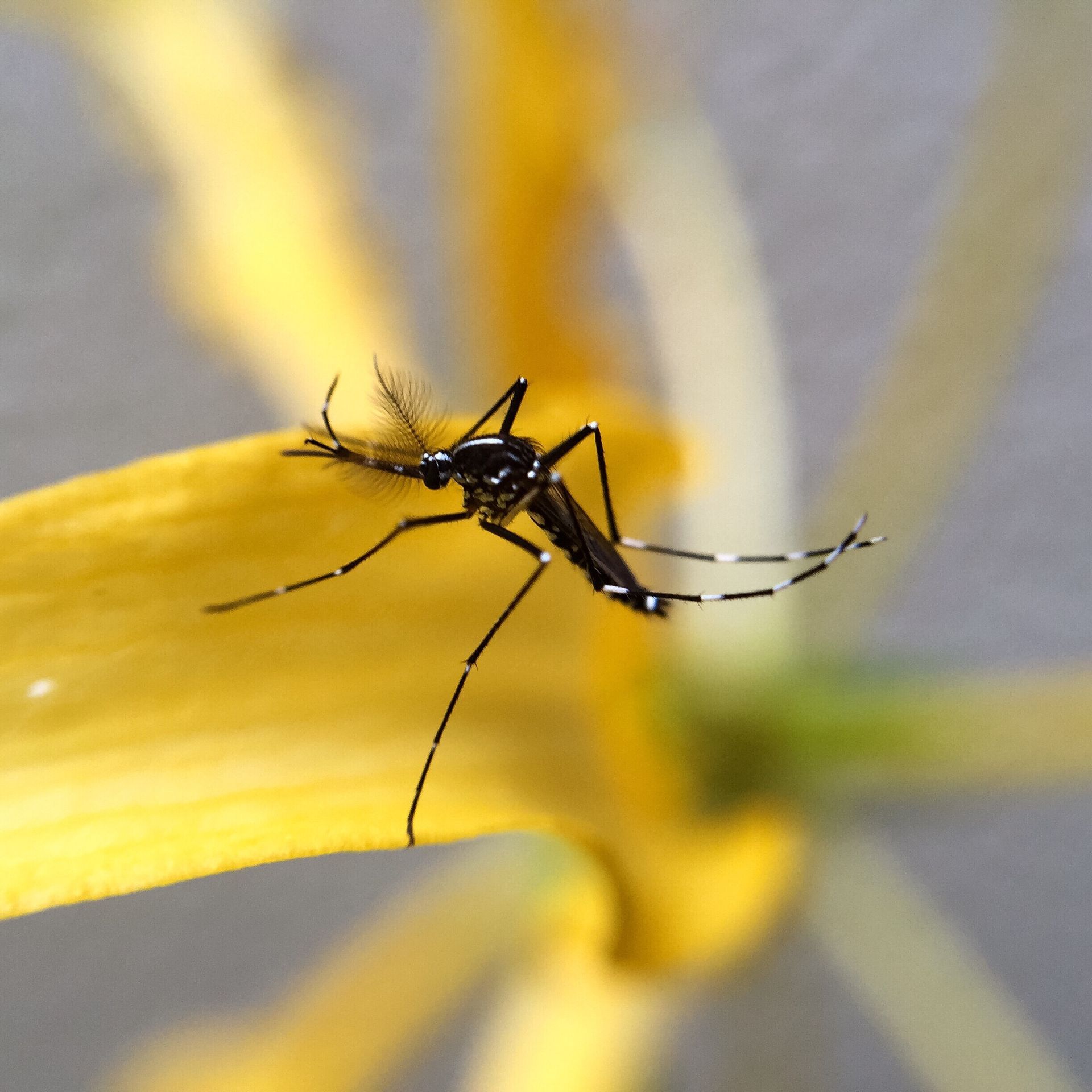
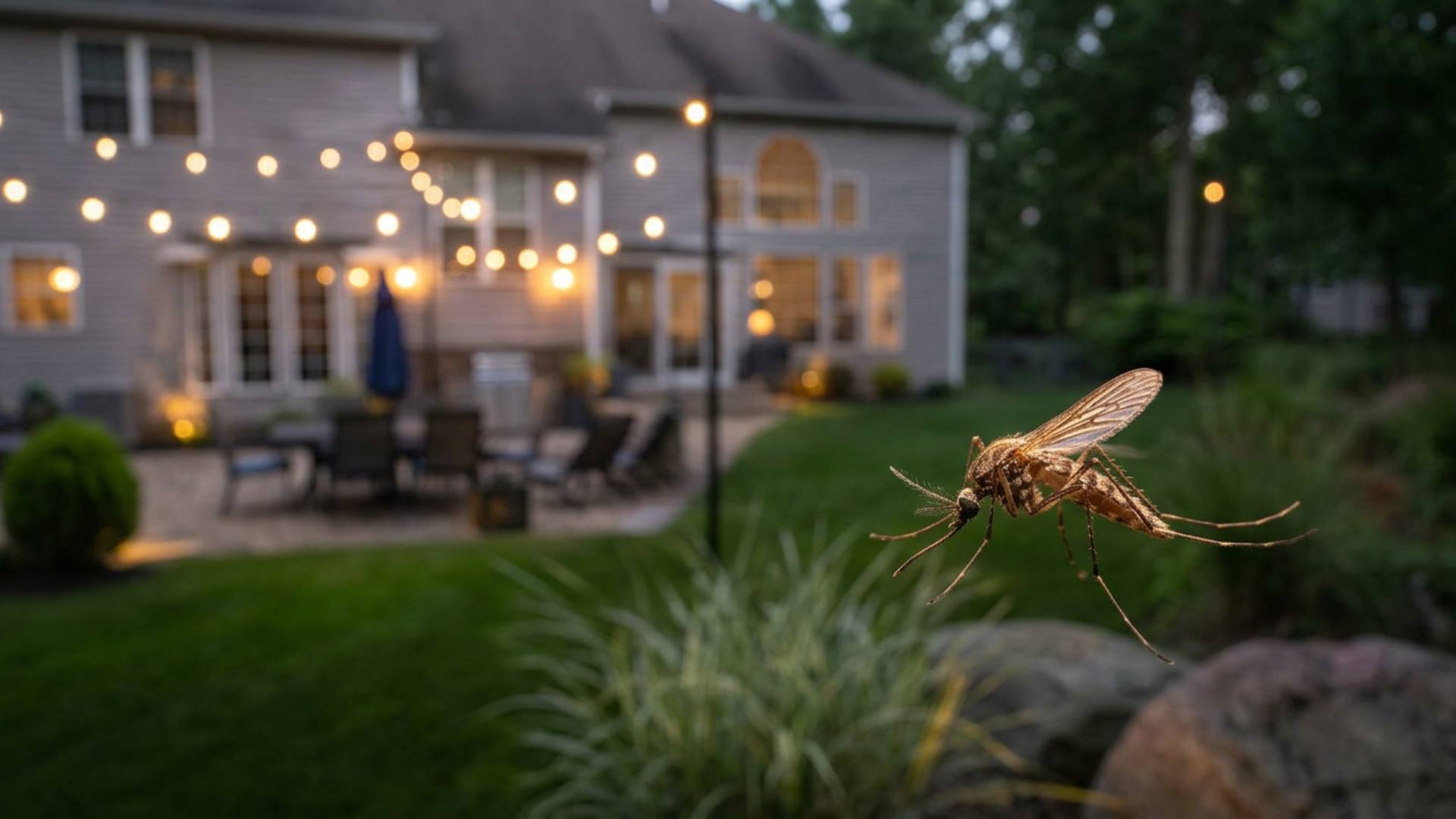
Mosquitoes, in particular, take advantage of landscaping features that collect water. Items like clogged gutters, bird baths, planters, and low areas in the yard can become breeding sites in just a few days.
Rodents also benefit from overgrown landscaping. Shrubs touching the home can create hidden pathways that allow mice and rats to move from outdoor shelter directly into walls or attics.
Maintaining well-trimmed landscaping and keeping vegetation away from your home's exterior can dramatically reduce pest pressure.
Small Openings That Create Big Problems
Even well-maintained homes can unknowingly provide easy entry points for pests.
Mice can fit through openings as small as a dime, and rats can squeeze through surprisingly small gaps. Cracks around foundations, openings near utility lines, and gaps beneath doors are common access points.
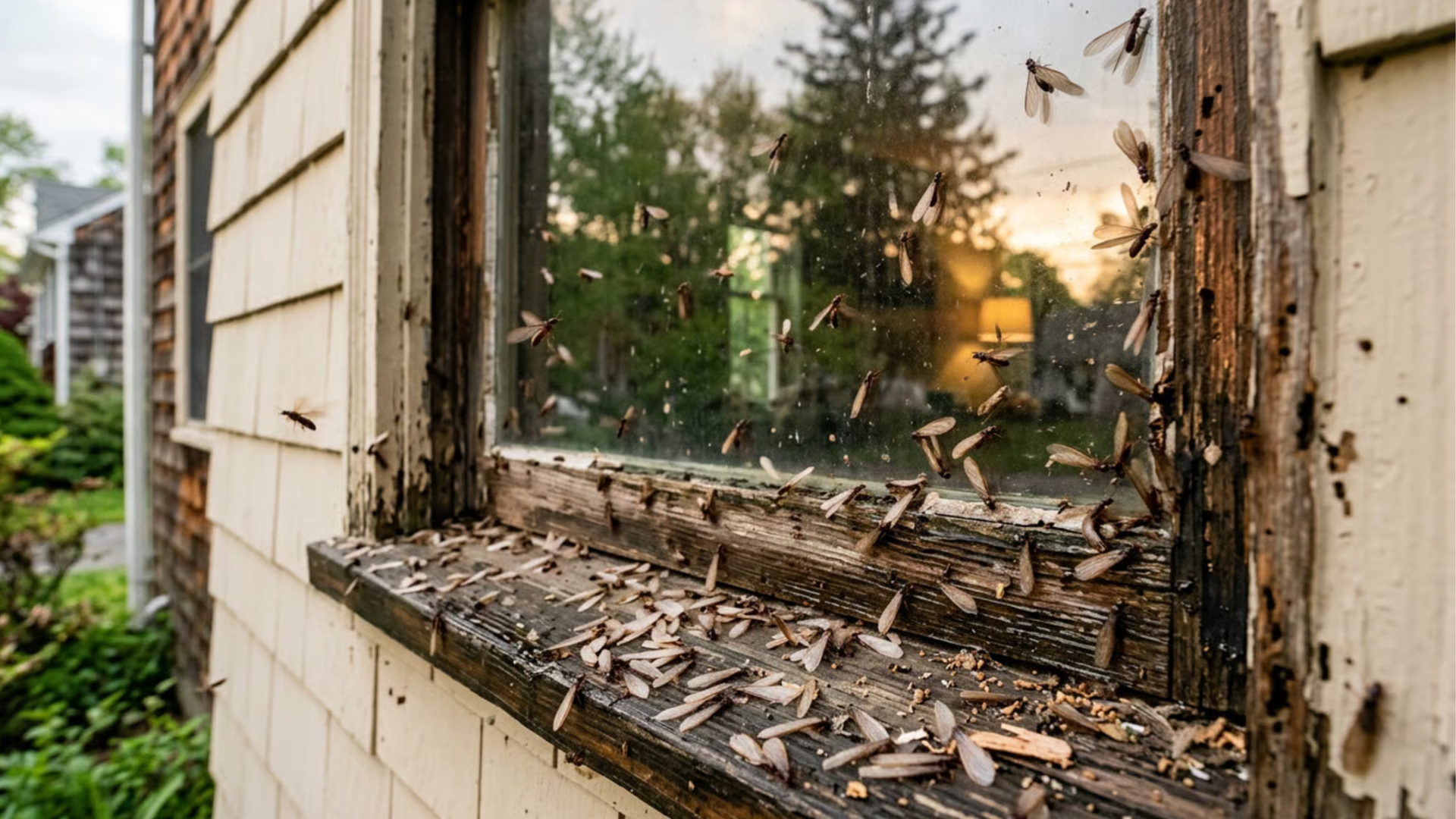
Termites don't need large openings either. Subterranean termites can enter through tiny cracks in foundations or build mud tubes to reach wood structures.
These vulnerabilities are often invisible to homeowners until pests are already inside.
Routine inspections and sealing entry points are essential steps in preventing infestations.
Moisture: A Hidden Pest Magnet
Moisture is one of the biggest factors that attracts pests to a property.
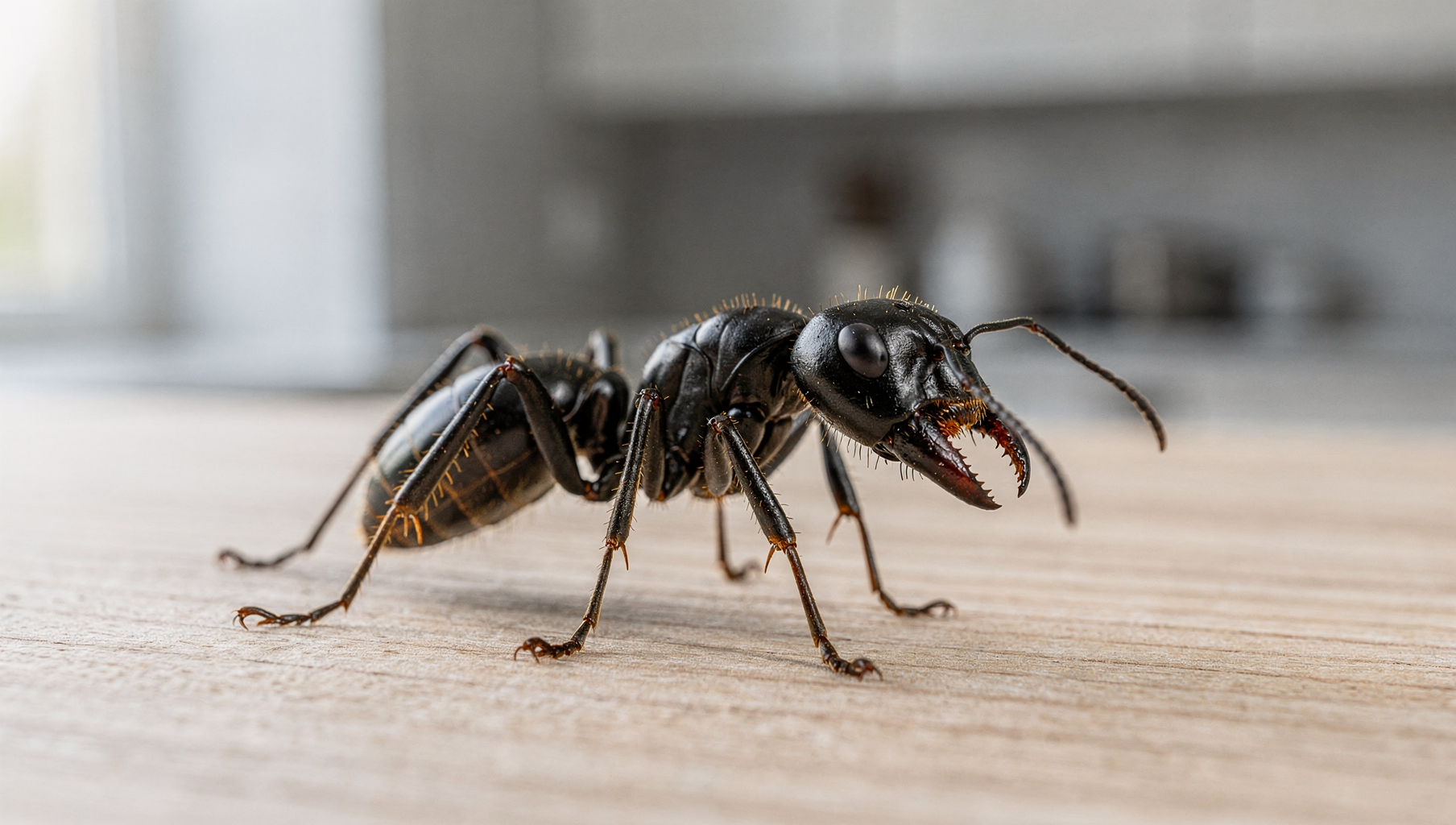
Standing water creates breeding grounds for mosquitoes, while damp wood can attract carpenter ants and termites. Moist environments also support the insects and small animals that ticks rely on as hosts.
Common moisture issues that increase pest activity include:
Poor yard drainage
- Leaking outdoor faucets
- Clogged gutters
- Overwatering landscaping
- Damp basements or crawl spaces
Addressing these issues not only protects your home from structural damage but also makes the environment far less attractive to pests.
Wildlife Activity Around Your Property
Another factor many homeowners overlook is wildlife activity.
Ticks often travel on animals such as deer, mice, and other small mammals. Rodents frequently follow the same paths through neighborhoods, moving between properties in search of food and shelter.
When yards provide easy access to food sources—such as uncovered trash bins, bird feeders, or pet food—wildlife activity increases, which in turn increases pest activity.
Managing these attractants helps break the cycle.
Why Professional Pest Control Makes a Difference
Even with good property maintenance, pest activity can still occur. Professional pest control adds an extra layer of protection by identifying hidden vulnerabilities that homeowners often miss.
At Pestify Pest Control, our technicians perform detailed property assessments to determine why pests are being attracted to a specific location.
Our approach focuses on both treatment and prevention, addressing the root causes of pest activity rather than just the symptoms.
Services may include:
- Targeted treatments for ticks, mosquitoes, rodents, and termites
- Identification of entry points and structural vulnerabilities
- Recommendations for landscaping and environmental adjustments
- Monitoring programs to ensure pests do not return
By combining prevention strategies with professional treatment, homeowners can significantly reduce pest activity around their properties.
Creating a Pest-Resistant Home
The goal of pest control isn't just eliminating pests—it’s creating an environment where pests are far less likely to appear in the first place.
Simple actions such as trimming landscaping, sealing entry points, managing moisture, and maintaining outdoor spaces can dramatically reduce the chances of an infestation.
When combined with professional pest control services, these strategies create long-term protection for your home and family.
Your home should be a place of comfort—not a target for pests.
The experienced team at Pestify Pest Control helps homeowners identify risk factors, eliminate active pest problems, and develop long-term prevention strategies that keep properties protected year-round.
Ready to make your home less attractive to pests?
Call 631-681-5581 today to schedule a professional inspection and learn how Pestify can help protect your property from ticks, mosquitoes, rodents, termites, and other common pests.