Spring Pest Awakening: What Long Island Homeowners Need to Know Before April.
If you've lived on Long Island for more than one spring, you know the routine. One day you're scraping ice off your windshield, and the next, you're opening windows to let in that first breath of fresh air. But while you're enjoying those warming March temperatures, something else is stirring beneath the surface of your property - literally.
As soil temperatures climb into the 40s and 50s, Long Island's pest population is waking up from winter dormancy. And here's the thing most homeowners don't realize: by the time you see the first ant trail across your kitchen counter or notice a swarm of winged insects near your windows, these pests have already been active for weeks.
At Pestify Pest Control, we've been protecting Long Island homes for years, and we can tell you with certainty - March is the most critical month for pest prevention. Not April. Not May. March. This is when you have a narrow window to get ahead of the problem before it becomes a problem.
Why March Matters on Long Island
Long Island's geography creates a unique pest challenge. We're surrounded by water, which moderates our temperatures and creates the humid conditions many pests thrive in. Our neighborhoods blend suburban development with wooded areas and wetlands. Our homes - many built between the 1950s and 1980s - use wood-frame construction that's particularly attractive to certain pests.
When soil temperatures reach approximately 50°F, something remarkable happens. Termites, carpenter ants, and other overwintering insects become active in their colonies beneath the ground. They're not necessarily emerging yet - you might not see them - but they're moving, feeding, and preparing for their spring reproductive cycles.
This is the science behind why March matters: warming soil triggers biological activity before air temperatures are consistently warm. Those unseasonably nice days we get in early March? They're enough to wake up pest colonies, even if we get another cold snap afterward.
The window of opportunity here is critical. Professional pest prevention applied in March works with pest biology, not against it. You're treating colonies as they activate but before they've established trails, reproduced, or caused damage. Wait until April or May, and you're playing catch-up - treating established infestations rather than preventing them.
The cost difference is substantial. A preventive treatment might run a few hundred dollars. An active infestation requiring multiple treatments, repairs to damaged wood, and ongoing monitoring? That's easily thousands of dollars, not to mention the stress and disruption to your home.
The Top 5 Spring Pests Emerging Right Now
Let's talk about who's waking up under your property right now and what they're looking for.
1. Carpenter Ants - The Moisture Opportunists
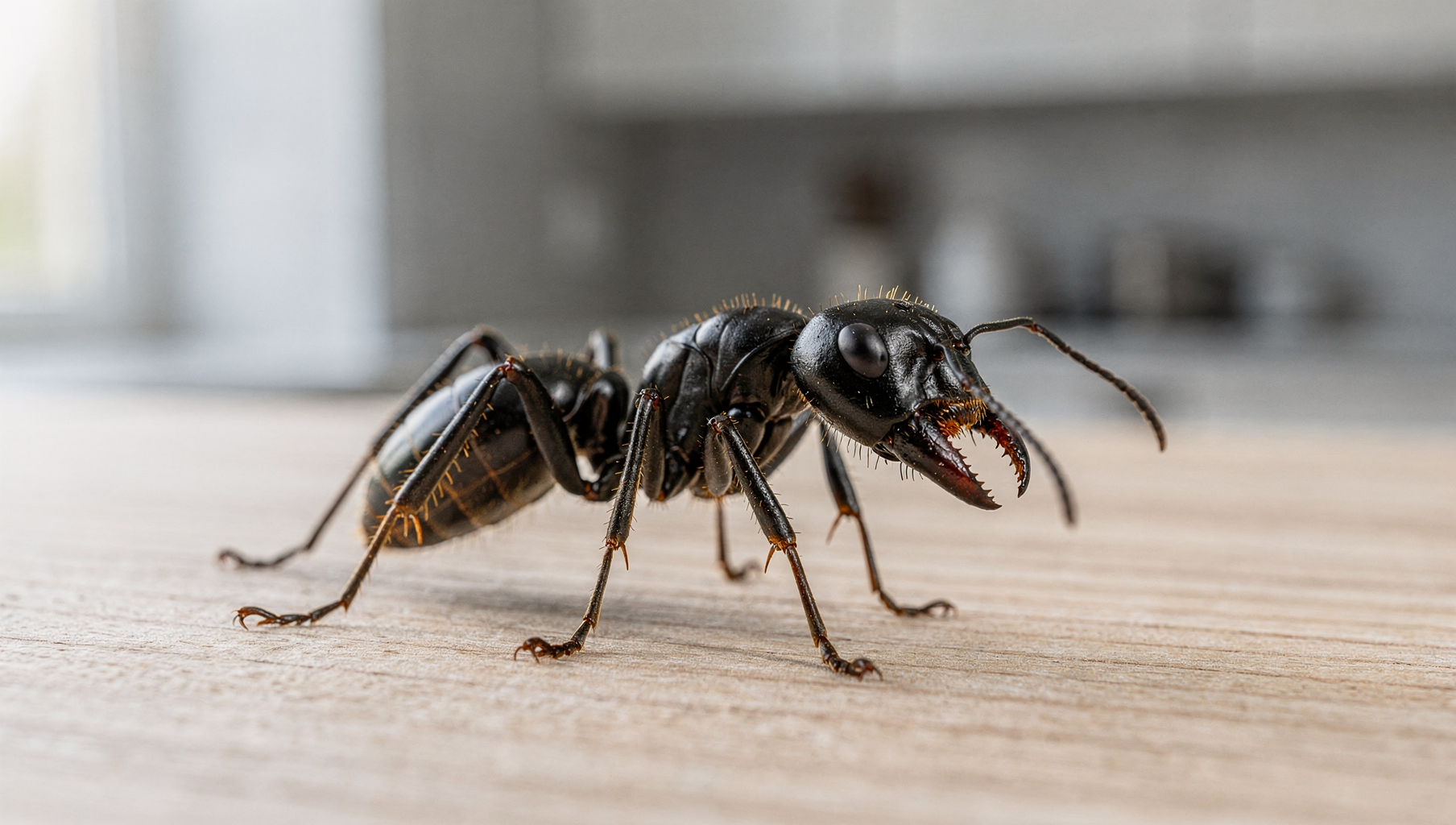
Carpenter ants are often mistaken for termites, but they're actually after something different - moisture-damaged wood. During Long Island's wet winter months, wood that's in contact with soil or has been exposed to ice dam leaks becomes softened and perfect for carpenter ant excavation.
These ants don't eat wood; they excavate it to create nesting galleries. You'll often find them in areas where there's been water intrusion: around windows with failed seals, in attic wood where ice dams caused leaks, in deck posts that sit on ground contact, or in garage framing near doors.
March is when carpenter ant colonies send out scout ants looking for new satellite nesting sites. If they find softened wood in or around your home, they'll establish a new colony there. By summer, you'll have a full infestation with hundreds of ants trailing through your home.
2. Termites - The Silent Spring Swarmers
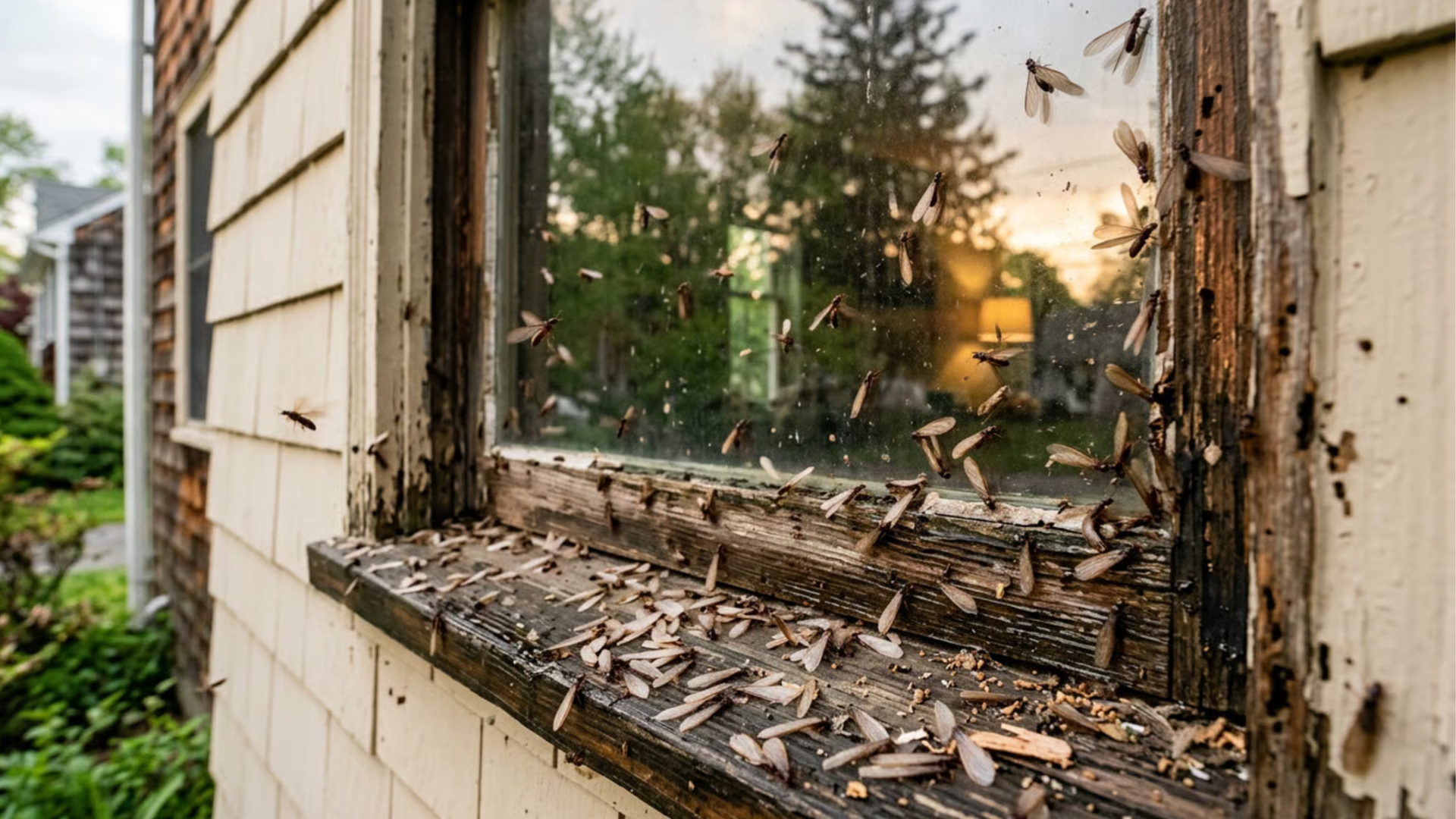
Subterranean termites are active year-round in their underground colonies, but their swarming season - when winged reproductives emerge to start new colonies - typically begins in April on Long Island. However, the colonies are preparing for this right now in March.
Termites need three things: cellulose (wood), moisture, and soil contact. Long Island's water table and humid climate provide the moisture. Our wood-frame construction provides the cellulose. And any wood-to-soil contact on your property - whether it's a deck post, a stacked firewood pile against your house, or mulch piled too high against your foundation - provides access.
The challenge with termites is that they work silently. You won't see them until they swarm or until damage is already significant. This is why March prevention is so valuable - you're creating a protective barrier before swarming season begins.
3. Rodents - The Spring Relocators
Here's what most people get wrong about rodent activity: they think mice and rats are only a problem in winter when they're seeking warmth. The truth is, spring triggers a different kind of rodent activity - territorial expansion and breeding.
As temperatures warm, rodent populations that overwintered in your neighbor's garage or in nearby woods start seeking new nesting sites. Female mice and rats are entering their primary breeding season, and they need safe, food-rich environments to raise their young.
One female mouse can produce 5-10 litters per year, with 5-6 pups per litter. Do the math on exponential growth, and you'll understand why preventing that first pregnant female from nesting in your home in March is worth its weight in gold.
Rodents on Long Island have adapted beautifully to suburban living. They use our landscaping as highways, our bird feeders as buffets, and our garages and attics as luxury condos. March is when they're most actively exploring new territory.
4 . Pavement Ants - The Foundation Invaders
These tiny dark ants get their name from their habit of nesting under pavement, driveways, and foundations. On Long Island, we see massive pavement ant activity starting in March as colonies that overwintered beneath concrete slabs become active.
They're particularly problematic because they nest in cracks in foundations and can find entry points into homes through expansion joints, utility penetrations, and foundation cracks. Once inside, they establish foraging trails to kitchens and pantries.
While they're not destructive like carpenter ants, pavement ants can be incredibly frustrating because of their numbers. A single colony can contain thousands of workers, and they're persistent once they've established a trail.
5. Overwintering Insects Making Their Exit (and Re-Entry)
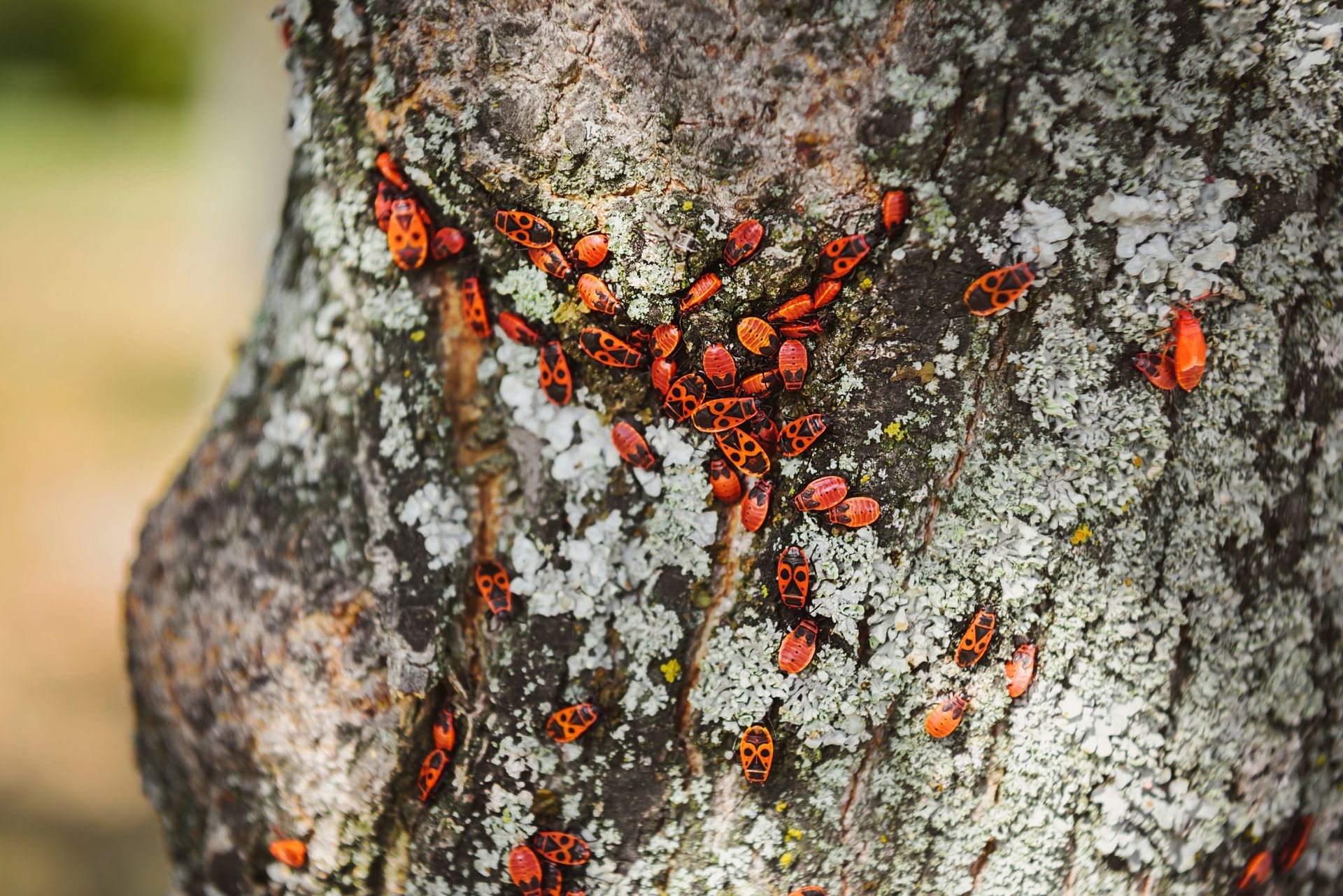
Stink bugs, ladybugs (actually Asian lady beetles), and cluster flies spent the winter in your attic, walls, or other protected spaces. As March temperatures warm, they become active and try to find their way back outside.
The problem? Many of them get confused and end up in your living spaces instead. You'll find them clustering around windows, appearing on walls, or dropping from ceiling light fixtures.
While these pests are more nuisance than threat, their presence indicates entry points that other pests can use. If stink bugs can get in during fall, carpenter ants can use the same gaps in spring.
Your March Prevention Checklist
The good news is that you can take action right now to make your property significantly less attractive to spring pests. Here's your comprehensive March prevention checklist, organized by priority.
Exterior Inspection Priorities
Walk the perimeter of your home on the first mild day you get. You're looking for:
Foundation cracks and gaps: Even small cracks in your foundation can admit moisture and provide entry points. On Long Island, our freeze-thaw cycles can create new cracks each winter. Pay special attention to where different materials meet - where concrete meets brick, where foundation meets wood siding.
Wood-to-soil contact: This is the number one termite attractant. Check deck posts, porch steps, door frames, and garage framing. Nothing wooden should be touching soil directly. There should be at least 6 inches of clearance between soil and any wood components of your home.
Siding gaps and utility penetrations: Where cables, pipes, and utilities enter your home, gaps can develop over time. Check where your air conditioning lines enter, where electrical service comes in, where water and gas lines penetrate the foundation.
Window and door frames: Look for gaps, failed caulking, or rotted wood around frames. These are prime carpenter ant territory if there's been moisture intrusion.
Moisture Control
On Long Island, moisture control is pest control. Our humid summers and wet springs create ideal conditions for moisture-loving pests.
Gutters and downspouts: Clean them now before spring rains. Gutters clogged with fall leaves cause water to overflow and saturate the soil against your foundation - exactly what termites love. Extend downspouts at least 6 feet from your foundation.
Basement and crawl space dampness: If you have a dehumidifier in your basement, start running it in March. Check for signs of seepage or moisture on walls. Any standing water should be addressed immediately.
Grading and drainage: Walk your property during a rainstorm. Where is water pooling? Does it drain away from your house, or toward it? Poor grading creates pest-friendly conditions.
Ice dam damage: If you had ice dams this winter, inspect your attic and ceiling for signs of water intrusion. Softened wood from leaks will attract carpenter ants.
Entry Point Sealing
March is ideal for sealing entry points because you can work comfortably outside, and you're ahead of peak pest activity.
Caulk and seal: Use high-quality exterior caulk on cracks and gaps. Focus on window frames, door frames, where siding meets trim, and around utility penetrations.
Weatherstripping: Replace worn weatherstripping on doors and garage doors. That gap under your garage door? Rodents love it.
Vent screening: Check that dryer vents, crawl space vents, and attic vents have intact screening. Replace any damaged screens.
Chimney caps: If your chimney lacks a cap, add one. Chimneys are highways for wildlife and insects.
Yard Maintenance
Your landscaping can either attract pests or deter them. Here's how to make it work in your favor:
Mulch management: Keep mulch at least 12 inches away from your foundation. Mulch retains moisture and provides harborage for termites, ants, and other pests. Never pile mulch higher than 2-3 inches deep.
Firewood storage: Move firewood at least 20 feet from your house and keep it off the ground. Firewood against your house is essentially a pest highway directly to your home.
Tree and shrub trimming: Cut back tree branches that overhang your roof or touch your house. Trim shrubs so there's at least 2 feet of clearance from your foundation. This improves air circulation and eliminates pest highways.
Leaf litter and yard debris: Rake up remaining fall leaves and remove any yard debris. These provide overwintering sites for pests and should be cleared before spring activity ramps up.
What Professional Prevention Looks Like
There's a significant difference between DIY pest control and professional prevention, especially in March when you're trying to get ahead of pest activity rather than react to it.
When Pestify conducts a spring inspection and prevention treatment, here's what's involved:
Comprehensive Property Assessment: We don't just look at your house - we assess your entire property. Where are the wooded areas? Where's the moisture? What about your property creates pest pressure? We identify conducive conditions that are attracting pests.
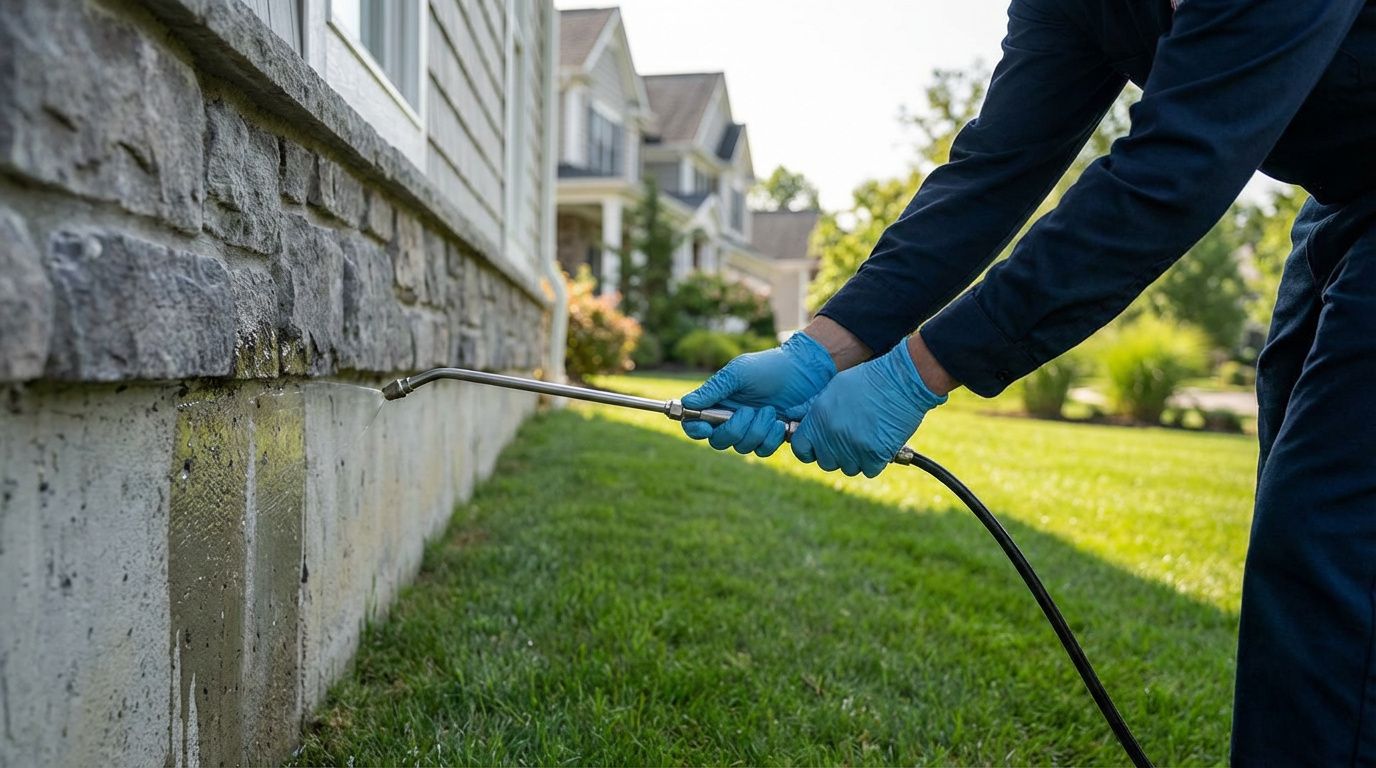
Targeted Treatment Zones: We focus on areas where pests are most likely to be active - foundation perimeters, mulch beds, wood piles, areas with moisture issues. Our treatments create a protective barrier that intercepts pests before they reach your home.
Interior Inspection: We check basements, crawl spaces, attics, and other areas where early pest activity might be happening that you haven't noticed yet.
Customized Prevention Plan: Every Long Island property is different. A home near the woods faces different pest pressure than one in a dense suburban neighborhood. A home with a crawl space has different vulnerabilities than one on a slab. We customize our approach to your specific situation.
Documentation and Monitoring: We document what we find, what we treat, and what conditions need attention. This creates a baseline for ongoing monitoring.
Why March Treatments Are More Effective
Timing matters enormously in pest control. A March treatment works because:
- You're treating before establishment: Pests are waking up but haven't established trails, colonies, or caused damage yet.
- Product efficacy: Treatments applied before intense rain and heat have better longevity.
- Lower pest pressure: There are fewer pests active now than in June, so treatments are more effective.
- Prevention vs. elimination: It takes less product and fewer treatments to prevent an infestation than to eliminate an established one.
The Pestify Difference
What sets Pestify apart isn't just our treatments - it's our understanding of Long Island. We know that homes in Nassau County near the water face different pest pressure than homes in inland Suffolk County. We know that neighborhoods with older housing stock have different vulnerabilities than newer developments.
We're not a national chain following a one-size-fits-all protocol. We're local experts who understand Long Island pest biology, Long Island construction styles, and Long Island climate patterns.
Our approach is preventive rather than reactive. We'd rather keep pests out of your home in the first place than have to conduct multiple treatments after an infestation is established.
Take Action Now
March is your opportunity to get ahead of Long Island's pest season. The pests are waking up right now, assessing your property, looking for the path of least resistance.
You can wait until you see an ant trail in April, or carpenter ant damage in May, or a termite swarm in June. Or you can take action now when prevention is most effective and most affordable.
At Pestify Pest Control, we've protected Long Island homes through countless spring seasons. We know what's coming because we've seen it year after year. And we know that homeowners who invest in March prevention save money, avoid stress, and protect their homes' value.
Don't wait for pests to make themselves at home. Schedule your spring pest inspection today and let us create a protective barrier before the season gets into full swing.
Ready to protect your home? Contact Pestify Pest Control for your comprehensive spring pest inspection. We'll assess your property, identify vulnerabilities, and create a customized prevention plan that keeps your Long Island home pest-free all season long.
Our satisfaction guarantee means you can have peace of mind knowing that if pests break through, we'll be back to make it right at no additional cost. That's the Pestify promise - local expertise, preventive care, and results you can count on.